
How to Plan a Trip for Beginners (Without Feeling Overwhelmed)

If you’ve ever opened a dozen tabs, saved a hundred places, and somehow felt more stuck than when you started, you’re not alone.
For beginners, trip planning can feel like it requires figuring everything out at once. Flights, lodging, budgets, itineraries, packing lists. It’s a lot, especially if you’re not sure where to begin or even where you want to go.
This guide is for anyone learning how to plan a trip for the first time without spiraling or overcomplicating things. You don’t need to be an expert traveler, and you don’t need a perfect plan. You just need to define a few key points.
Step 1: Decide Where to Go (Without Overthinking It)
One of the biggest reasons trip planning feels overwhelming is because choosing a destination can feel impossible.
Every place sounds good in theory. Every option comes with tradeoffs. And then suddenly, it can feel like there’s no one right spot.
Most people approach this step by asking a question with too many answers:
Where should I go?
That question opens the door to endless comparisons, trends, and outside opinions.
Instead, a better place to start is with a much simpler question:
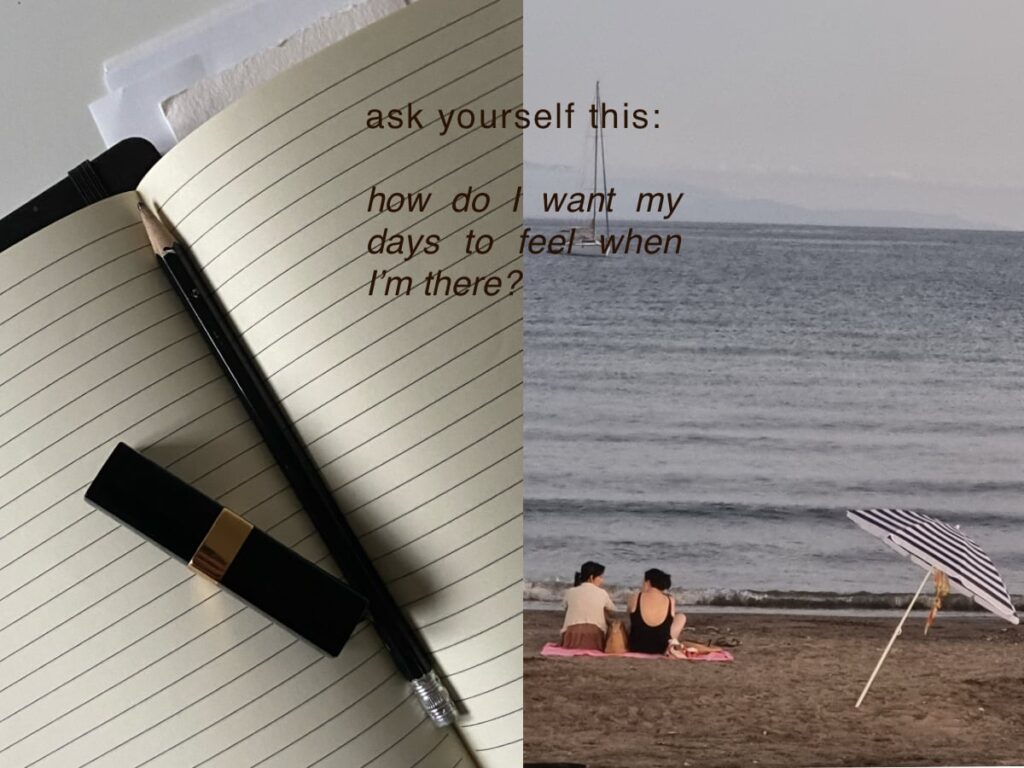
How do I want my days to feel when I’m there?
Think about your daily life once you arrive, not just the bucket list highlights. Do you want quiet mornings or busy streets? A slower routine or constant stimulation? Do you want something familiar, or are you craving something completely new?
When you choose a destination based on pace, lifestyle, and how you want to live day to day, the decision becomes clearer. You stop chasing “must-see” places and start choosing locations that actually fit what you want.
If you’re feeling stuck here, we go much deeper into this process in our guide on How To Decide Where To Travel Next, where we break down destination choice through lifestyle, routine, and travel rhythm rather than trends and tourist attractions.
What Comes Next
Once you’ve chosen a general destination, everything else gets easier. You don’t need to lock in every detail right away. The goal is ease-fulness, not perfection.
In the next sections of this guide, we’ll cover:
- what to plan first and what can wait
- how much structure travelers actually need
- how to organize everything without turning trip planning into a to-do list
Step 2: Focus on the Big Anchors First (Not the Details)

One of the most common beginner mistakes is trying to sit down and plan everything at once. When you do that, every decision feels equally urgent, and planning quickly turns into stress.
Instead, start with just a few big anchors. These are the pieces that shape the rest of the trip, and once they’re in place, everything else becomes easier.
At this stage, you only need to think about:
- Your destination (even if it’s flexible)
- Rough timing (a general window, not a fixed schedule)
- How long you want to be there
If you’re feeling unsure about dates, that’s okay. A flexible range is often better than locking yourself into something too rigid, especially early on. Knowing you’ll be traveling “sometime in May” is more than enough to keep planning moving.
Step 3: Decide How Much Structure You Actually Want
Not everyone travels the same way, and beginners often assume there’s one correct approach. In reality, the right amount of structure depends on how you like to live your days.
Ask yourself:
- Do I feel calmer with a structured plan, or with a general list of things to pick from?
- Do I like routines, or do I prefer deciding day by day?
- Do I get energized by exploring, or do I need downtime built in?
Some people feel safest knowing what each day will look like. Others feel boxed in by too much structure. There’s no wrong answer. The goal is to build a trip that supports your energy, not someone else’s idea of the perfect itinerary.
If you’re not sure yet, start light. A few must-do ideas and plenty of open time is usually a great balance for beginners. You can always add more later, but it’s much harder to enjoy a trip when every moment is planned.
We’ll walk through this in more detail in our post on how to plan a trip itinerary that still feels flexible, where we break down how to create loose daily rhythms instead of rigid schedules.
Step 4: Organize Your Plans in One Place
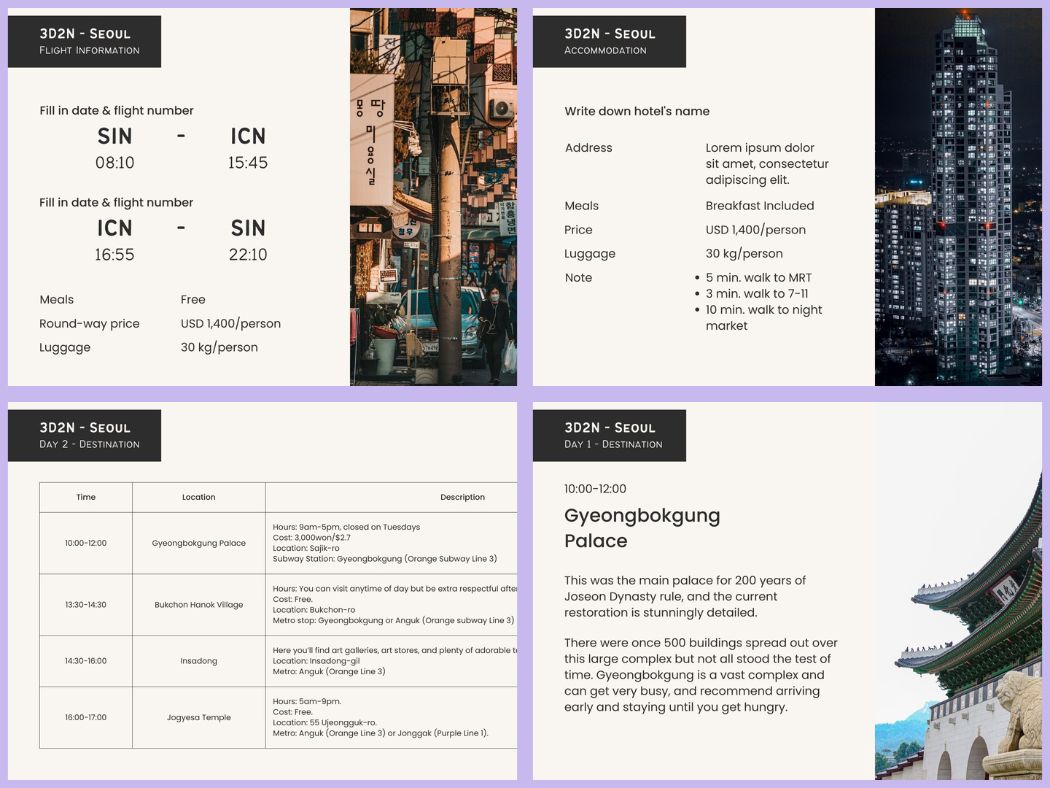
Travel information can end up scattered across notes, apps, screenshots, bookmarks, and tabs.
Keeping everything in one place makes planning feel manageable instead of chaotic.
You don’t need anything complicated. A single document, notebook, or digital tool works just fine as long as it includes:
- destination and dates
- flight or transportation notes
- lodging notes
- a list of ideas or places you’re curious about
Our favorite way to plan a trip is by starting with a Google My Maps and then spending time on local travel blogs, TikTok, and YouTube to get a feel for the area before we arrive. Any place that catches our interest gets added straight to the map. You can organize everything by category, color-code your spots, and leave notes for later. Once you land, the map shows up directly in Google Maps, fully organized and easy to use while you explore.
Step 5: Remember That Planning Is Meant to Support You

Trip planning shouldn’t feel like a test you can fail. It’s a tool to help you feel prepared enough to enjoy the experience once you’re there.
You don’t need to plan everything before you go. You don’t need to know every answer. And you definitely don’t need to follow someone else’s version of what travel “should” look like.
The best trips often come from leaving space. Space to rest, to wander, to change your mind, and to discover things you never would’ve planned in advance.
Final Thoughts: Start Simple and Let the Rest Unfold
If you’re new to travel planning, it’s easy to assume you need everything figured out before you go. In reality, the most important part is simply starting. Choosing a direction, thinking about how you want your days to feel, and putting a few big anchors in place is more than enough.
Learning how to plan a trip for beginners isn’t about creating the perfect hourly itinerary. It’s about building enough clarity to feel confident, while leaving room for flexibility, rest, and spontaneity. The details will come together as you go. They always do.
Travel doesn’t have to feel stressful or overwhelming. With the right starting point, it can feel exciting, grounded, and surprisingly simple.