How to Plan a Trip: A Simple Template You Can Use Anywhere
If wondering how to plan a trip has ever stopped you from traveling, you’re not alone.
The brain craves familiarity, so planning what to do in a place you’ve never been to can be challenging.
Fear not – this is the exact template that we use to travel anywhere without overthinking the details.
It works for weekend getaways, long stays, domestic travel, and international trips. We rely on it because it keeps everything organized in one place without overplanning or locking you into a rigid schedule once you arrive.
This framework gives you just enough structure to feel prepared, while still leaving room to explore, adjust, and go with the flow.
Trip Planning Template At A Glance:
DIVE DEEPER
Still feeling overwhelmed? Read our trip planning guide for complete beginners
Step 1: Define What You Want to Feel, Do, and Experience
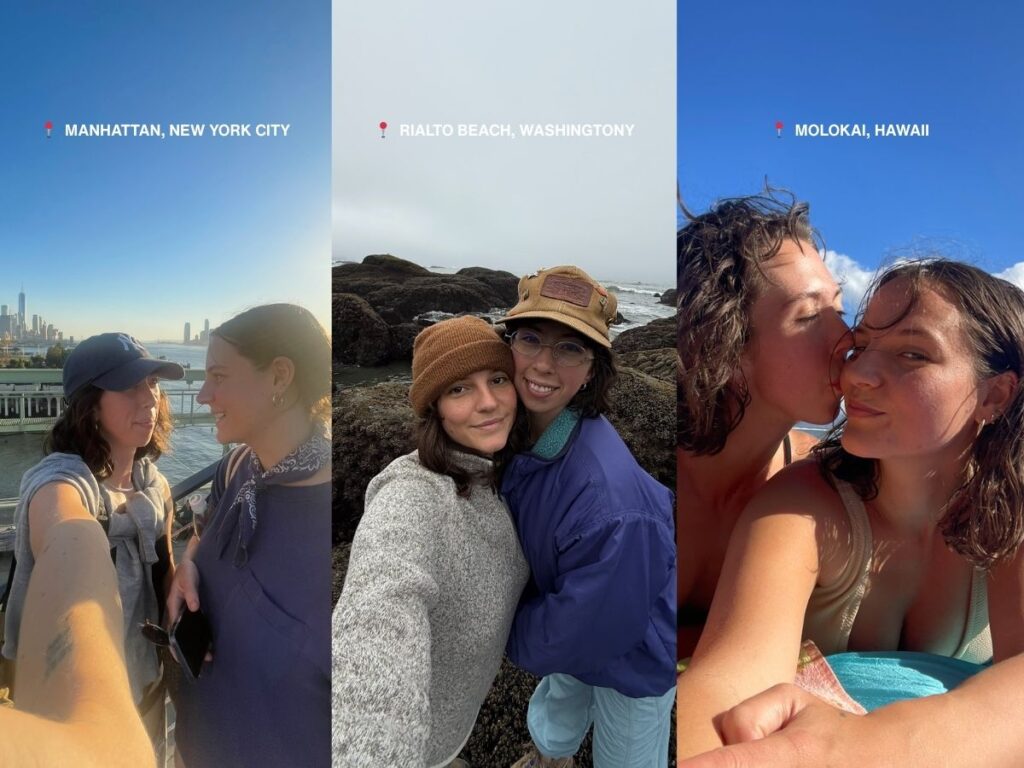
We always start here.
Before choosing a destination, we define how we want our days to feel and what we actually want to be doing while we’re there.
Do you want:
- tropics and slow coastal vibes
- street food, shopping, and busy city energy
- long walks, cafés, and neighborhood exploring
- nature, space, and fewer plans
Picture your days. Think about how much movement you want, how social you want the trip to be, and how much structure feels supportive.
Starting with the experience sets the tone for everything else and prevents choosing places that sound good but don’t fit your pace or desires.
Step 2: Choose the Destination That Best Fits That Feeling

Once the vibe is clear, we choose the destination that best matches it.
This is where light research helps you make a grounded decision. We usually look into:
- general cost of living
- safety and crime awareness
- walkability and public transportation
- neighborhoods versus tourist zones
- off-the-beaten-path options
- anything new or changing in the area
We’ll combine casual Googling, Reddit threads, social media, and tools like Nomads.com to get a realistic sense of daily life, not just tourist highlights.
You don’t need to know everything. You just want enough context to feel confident that the destination supports the experience you’re looking for.
deep dive
Wanting more on this topic? Get the full breakdown on:
How to Decide Where to Travel Next
Step 3: Compile the Bucket List Locations and Experiences

This step helps confirm that you’re choosing the right place.
We make a loose list of:
- neighborhoods, areas, streets we want to explore
- parks, cafés, restaurants, and markets to visit
- a few all day experiences that feel exciting
Social media digging is a great starting point for this, but the goal isn’t to plan every day. Often the best adventures come from going with the flow once you’re there.
What matters most is familiarity. Knowing how an area is laid out makes it easier to explore confidently without feeling overwhelmed.
Google Maps is our favorite tool here. We explore neighborhoods ahead of time, pin places we want to check out, and get a feel for how we’ll move around before we arrive.
Step 4: Buy the Tickets (This Sets the Dates)
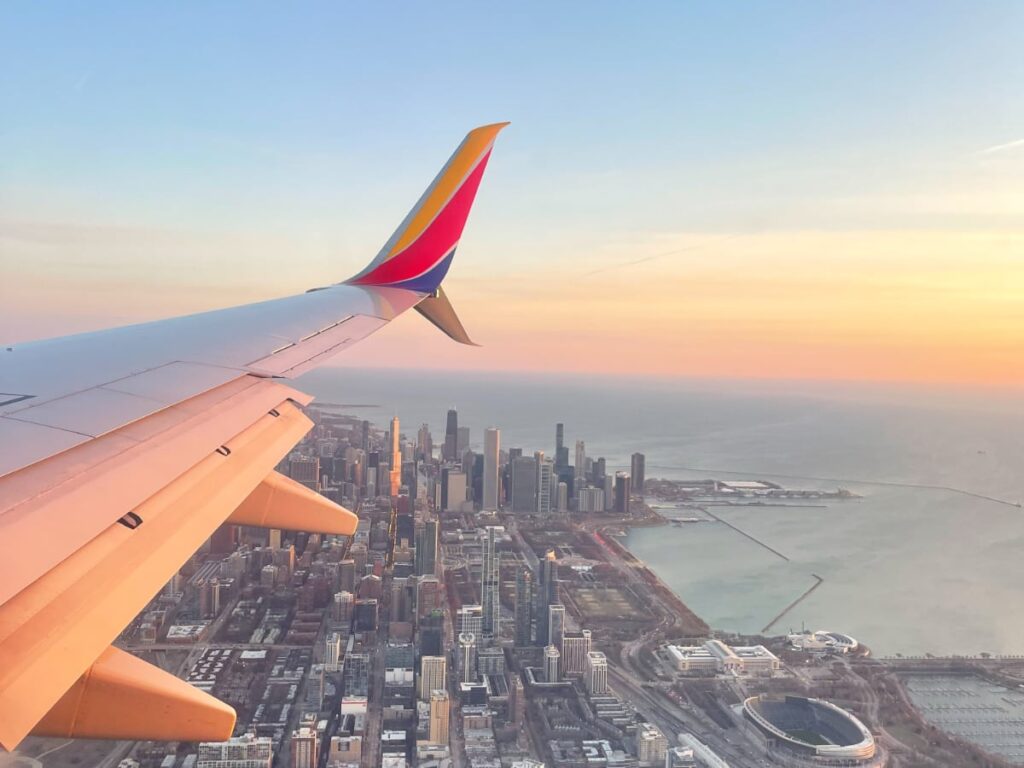
Once the destination feels right, we start watching for tickets.
There isn’t as much fluctuation in airline prices as there used to be, but we still like to monitor for a bit.
We keep it simple and just use Google Flights.
A few things that help:
- set price alerts so you’re notified when prices drop
- explore flexible dates to see if shifting helps
- use the “explore” feature to see affordable options worldwide
Pro Tip:
Use Google Flights “Anywhere” to Find Cheap Flights
This lets you explore flight prices around the world at a glance and spot affordable destinations without committing to a specific place or date.
- Enter your home airport as the departure location
- Select Anywhere as the destination
- Leave dates blank or flexible
- Switch to the Map view
Step 5: Set the Budget
Once dates are locked in, define your general budget.
This step isn’t about tracking your spending, you’re just familiarizing yourself with the costs of where you’re going.
For us, it usually includes:
- flights, trains, or other long-distance transportation
- nightly, weekly, or monthly lodging costs
- a realistic daily spending range for food, transit, and small extras
If you’re planning internationally, this step is especially helpful for adjusting to the conversions for daily expenses before you go.
Step 6: Figure Out Accommodations

With dates and budget set, we move on to lodging.
Hotels and Airbnbs are one option, but there are so many ways to stay now.
We primarily stay using TrustedHousesitters and are starting our Workaway journey June, 2026!
No matter how you stay:
- always choose listings with solid reviews
- cross-check on Google reviews when possible
- avoid deals that feel rushed, unclear, or scamm-y
- use extra precaution with new Airbnb listings
If something feels off, it usually is. Good accommodations feel straightforward and well-documented.
Stay Longer for Less $
Get the full breakdown:
Travel House Sitting 101: A Budget-Friendly Way to Slow Travel
Step 7: Plan Your First Hours & Arrival Route

This is not the time to plan your whole trip itinerary, just your arrival itinerary.
At a minimum, make sure you know:
- exactly how to get from the airport to your first location
- which transportation option you’ll use (& how to use it)
- what the first few hours look like
This prevents landing tired and scrambling to Google “how to get transportation from the airport” while standing at passenger pickup.
Pro Tip:
Familiarize Yourself Before You Get There
We like to familiarize ourselves with the area ahead of time by watching quick YouTube walkthroughs.
Helpful walkthroughs to explore:
- airports you’ll be landing to & taking off from
- using public transportation
- popular areas you’ll be staying in or exploring
Knowing where you’re going makes landing feel grounded instead of chaotic.
For organization, apps like TripIt are helpful.
TripIt automatically pulls in your flights, accommodations, and routes and organizes everything in one place.
It’s especially useful for international trips with multiple stops or transportation types.
Step 8: Book Anything That May Book Up Quickly
The final step is booking anything with limited availability.
This might include:
- activities or tours
- restaurants that require reservations
- boutique hotel reservations
- retreats or special travel experiences
Everything else can stay pretty flexible.
This protects the things you’d be disappointed to miss out on without filling your schedule too early.
Why This Trip Planning Template Works
This process works with you, building each step naturally from the last so planning never feels overwhelming. Instead of jumping ahead or second-guessing, you move through the trip one piece at a time.
Before you know it, you’re ready to go!
You define the experience first.
You choose the destination intentionally.
You set dates, budget, and lodging in a clear, logical order.
You plan just enough to feel prepared without overplanning.
You can use this template in a notes app, document, notebook, or planner. The format doesn’t matter.
What does matter is keeping everything in one place, and returning to it as plans evolve.
Save this template. Reuse it for every trip. Over time, it becomes familiar, easy, and something you can rely on whenever you’re figuring out how to plan a trip—no matter where you’re going <3