The Low-Tox Kitchen Guide: Essentials & Most Loved Items
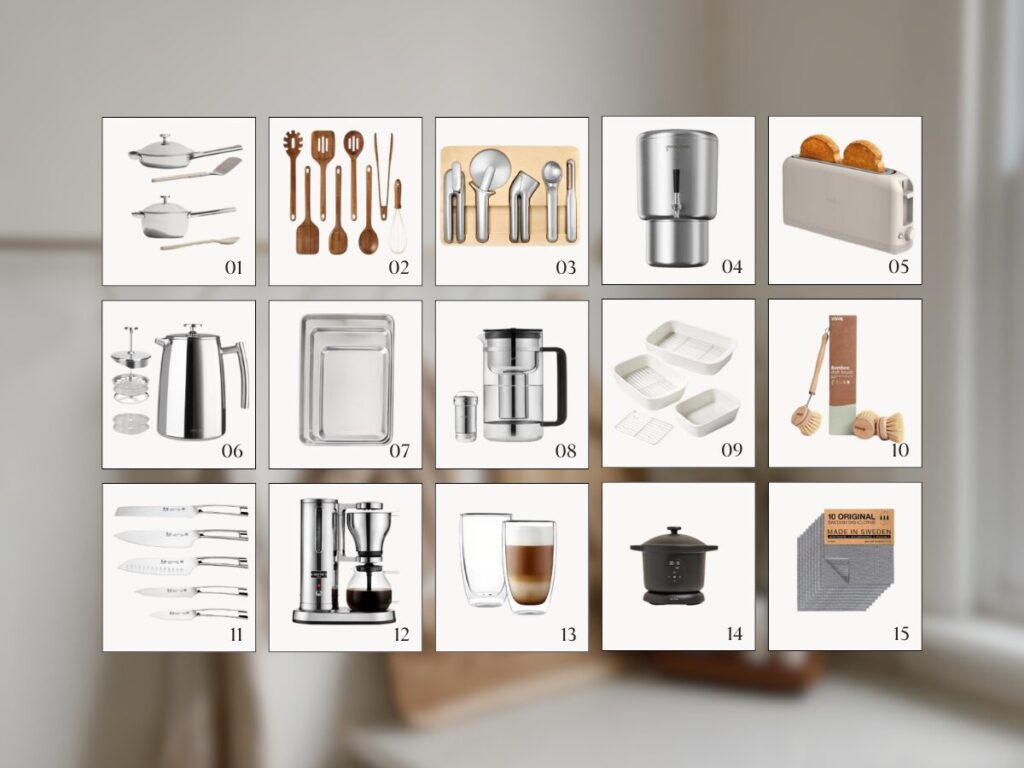
A low tox kitchen isn’t about perfection. It’s about reducing daily exposure to materials that come into direct contact with your food, water, and heat.
This guide focuses on the biggest impact swaps. The things you use every single day. Cookware, storage, water, and tools that matter more than you may realize.
In order for something to be included on this list it has to fill all the boxes. Eco-friendly, non toxic, lasts forever, and extra points for small business owned.
Simple upgrades. Fewer replacements. And a kitchen that feels good to be in.
Non-Toxic Kitchen Cookware
What to stay away from
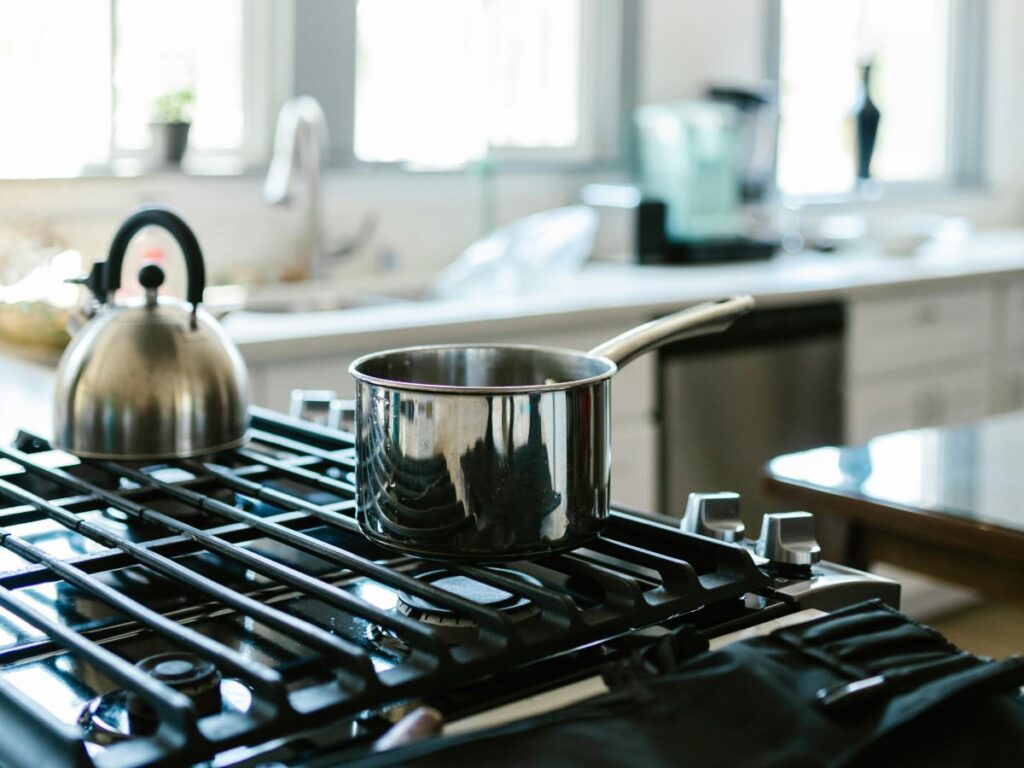
Most nonstick cookware relies on chemical coatings that wear down over time. Heat, metal utensils, and regular washing all shorten their lifespan.
As these coatings break down, small particles can transfer into food. Even when a pan still looks fine, it often isn’t meant to last more than a few years.
Better low-tox options
Cookware made from solid, stable materials holds up to heat and time.
Look for:
- Stainless steel
- Cast iron
- Enameled cast iron
- Carbon steel
These materials don’t rely on coatings to work. They’re durable, dependable, and hold up to daily use. Once you get used to cooking with them you wont want to go back. I swear food just tastes better too.
Our Favorite Low-Tox Cookware:
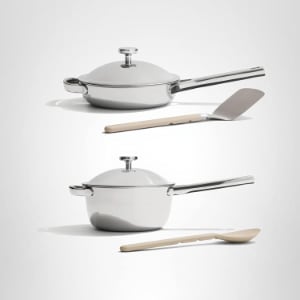
Our Place
Titanium Pro Cookware Duo
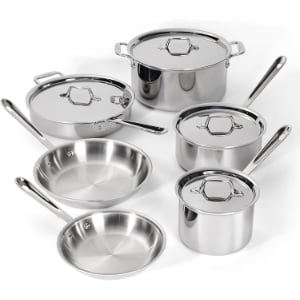
All-Clad
10-Piece Pots and Pans Set
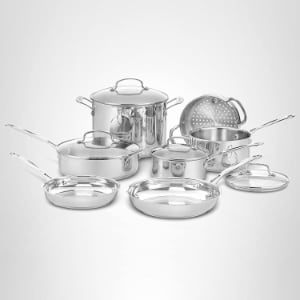
Cuisinart
11-Piece Chef’s Stainless Cookware
Low Tox Food Storage
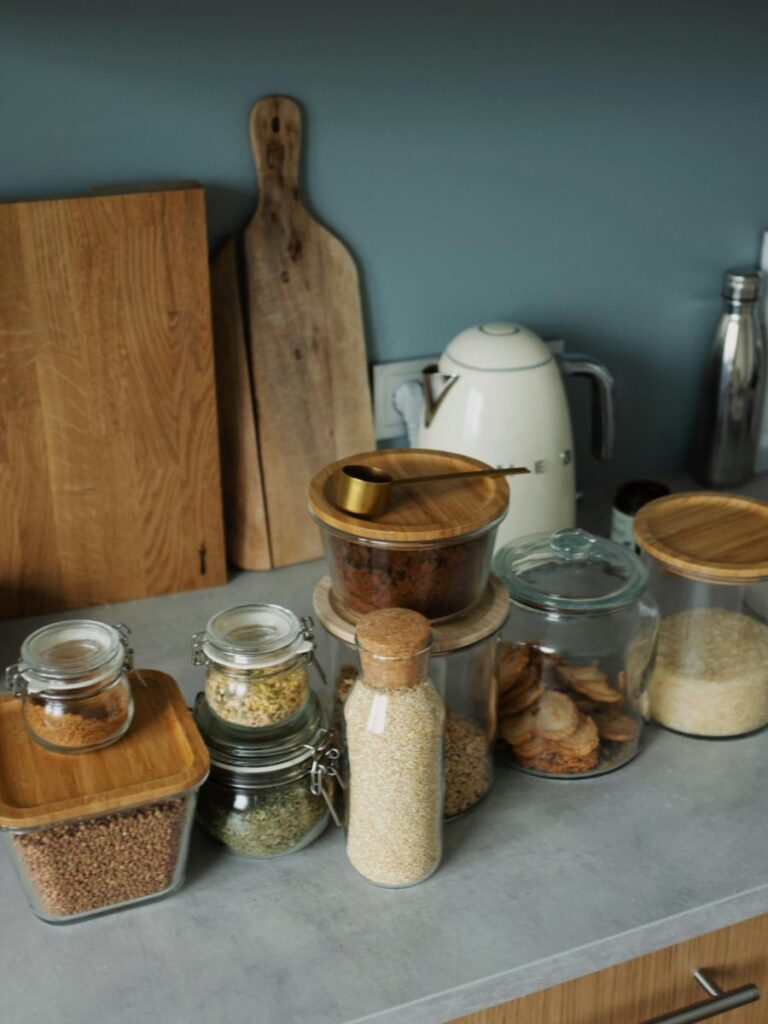
Food storage is one of the easiest places to upgrade a kitchen, and also one of the most overlooked.
Leftovers, prepped ingredients, snacks, fridge organization. These containers are in constant rotation, often holding hot food, oily food, or acidic food. Over time, the material matters.
Best options:
- Glass containers for leftovers and meal prep
- Silicone lids or stretch covers to replace plastic wrap
- Stainless steel containers for packed lunches or travel
What to stay away from
Plastic containers and wraps are convenient, but they aren’t designed for long-term use with heat or repeated wear.
With regular use, plastics can:
- Absorb food smells and stains
- Break down when exposed to heat or oils
- Transfer small amounts of their material into food
This is especially common with reheating, stacking warm leftovers, or running containers through the dishwasher. Even “microwave-safe” or “BPA-free” plastics still age and degrade over time.
Our Favorite Non-Toxic Food Storage Essentials:
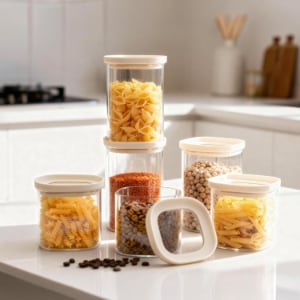
Urban Green
Glass Food Storage Jar Set
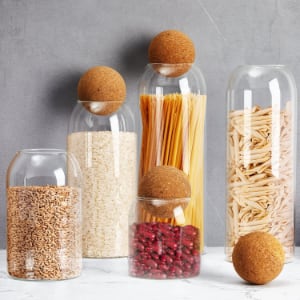
Suclain
5 Pack Glass Jar Set with Cork
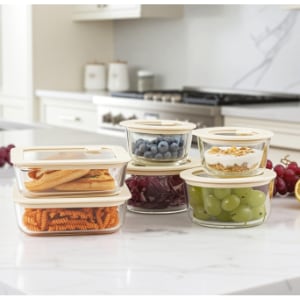
Urban Green
Glass Food Container Set
Cooking Utensils (Better low-tox options)
Cooking utensils are easy to overlook because they’re so familiar. You grab them without thinking, use them every day, and rarely replace them unless something breaks.
But these tools spend a lot of time sitting in hot food, simmering sauces, and warm pans. Over years of use, the material matters.
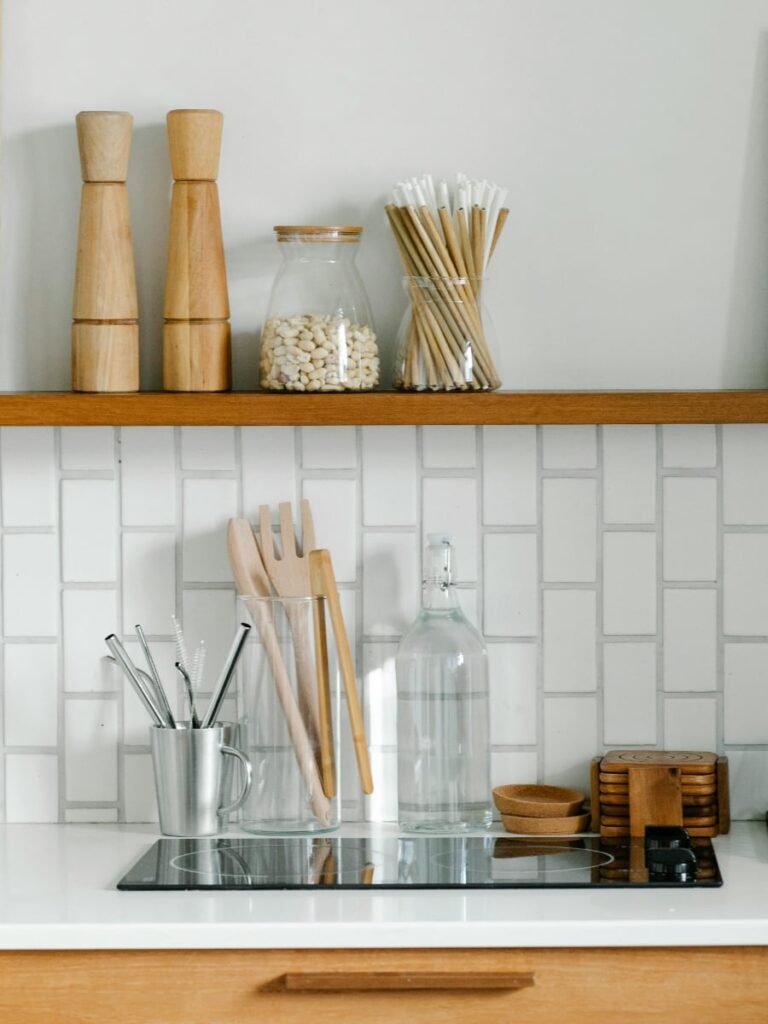
For utensils, simple materials are usually the best ones.
Wood, stainless steel, and high-quality silicone hold up well to daily cooking and don’t rely on fillers or coatings to function.
Look for:
- Food-grade silicone tools designed for high heat
- Wooden or bamboo spoons and spatulas
- Stainless steel turners and ladles
What to stay away from
Many common utensils are made from plastic or nylon. Over time, heat and friction can cause them to soften, discolor, or wear down.
You might notice:
- Edges becoming rough or nicked
- A slight bend or softness near the tip
- Staining that never fully washes out
Even when they still “work,” worn plastic utensils aren’t meant to last forever, especially with regular exposure to heat.
Our Favorite Non-Toxic Kitchen Utensils from Amazon:
These are the kinds of utensils you buy once and keep for years. They age slowly, feel good to use, and are aesthetically pleasing.
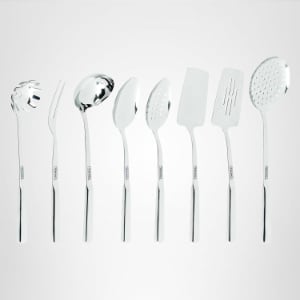
Viking
Kitchen Utensils Set, 8 Piece Stainless Steel
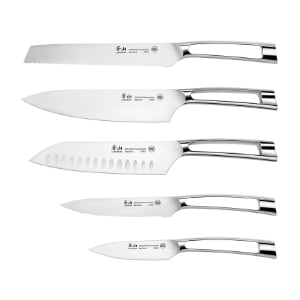
Cangshan
6-Piece German Steel Knife Block Set
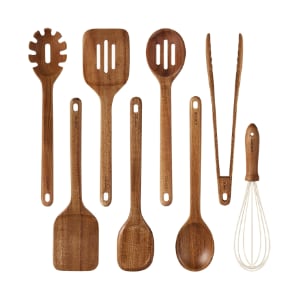
CAROTE
Acacia Wood 8pcs Kitchen Utensils Set
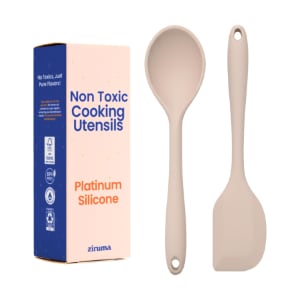
ZIRUMA
Non-Toxic Platinum Silicone Utensils
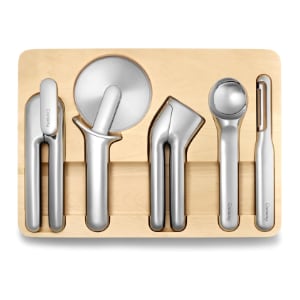
Caraway
5 Piece Kitchen Tools Stainless Steel
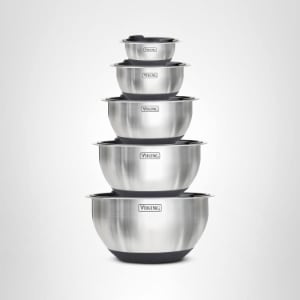
VIKING
Stainless Steel Mixing Bowls with Lids
Non Toxic Cutting Boards (One of the Most Important Swaps)
Cutting boards are in constant contact with your food. Every slice, chop, and prep moment happens here, which makes the material choice more important than it looks at first glance.
It’s also one of the easiest places to make a long-term upgrade, and shopping for cutting boards is a personal favorite.
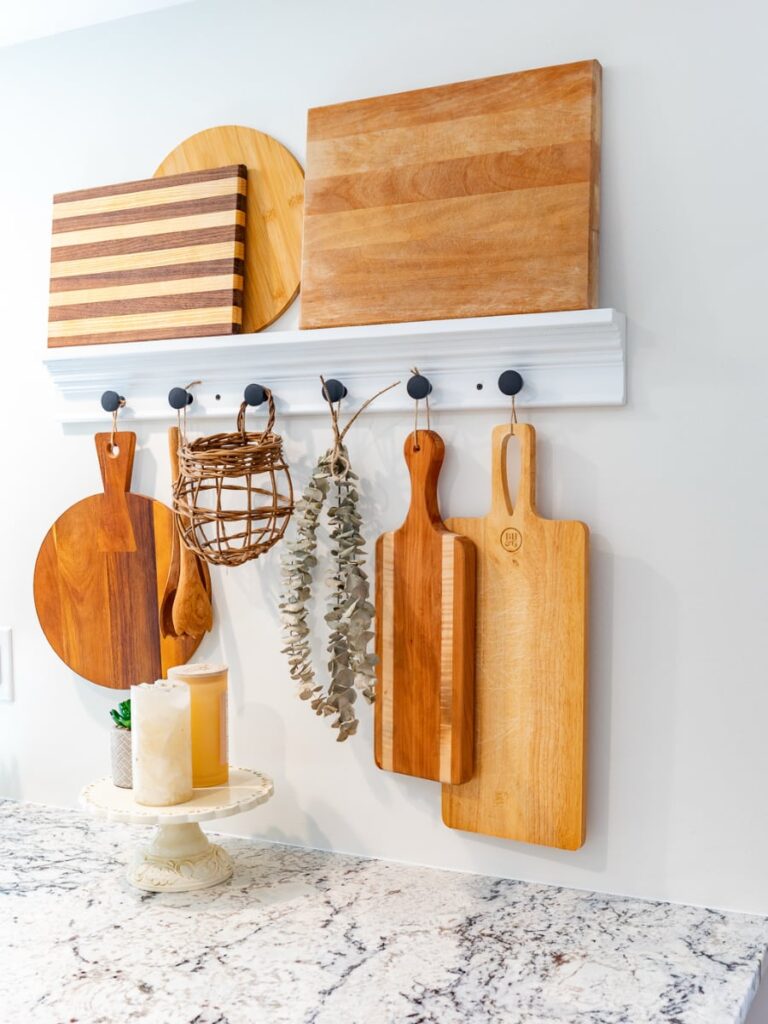
Wood and bamboo boards hold up well to daily use and can be maintained over time.
Good choices:
- Solid wood
- Bamboo
- Titanium (for raw meats)
Wood boards can be sanded, re-oiled, and refreshed as they age. Many people keep the same board for most of their cooking life, which makes this a classic buy-it-once kitchen piece.
If you prep and cook often, this is one of the most worthwhile upgrades you can make.
What to stay away from
Plastic cutting boards wear down slowly with use. Each time a knife hits the surface, tiny pieces of the board can shave off and mix into food. Over time, deeper grooves also make plastic boards harder to clean thoroughly.
Plastic boards are often treated as disposable for this reason. Once they’re deeply scored, there isn’t a good way to restore them.
Our Favorite Non-Toxic Cutting Boards & Cleaner:
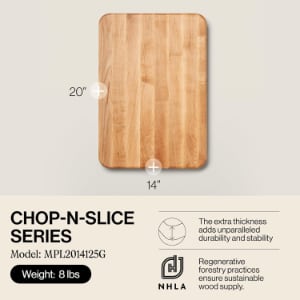
John Boos
Chop-N-Slice Series Wooden Cutting Board
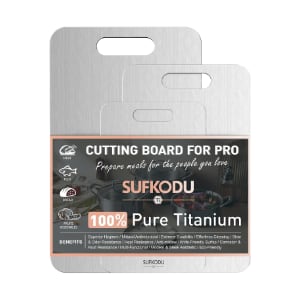
sufkodu
Titanium Cutting Board Set of 3 – For Cutting Meat
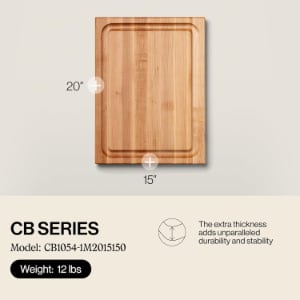
John Boos
CB Series Rectangular Wooden Cutting Board
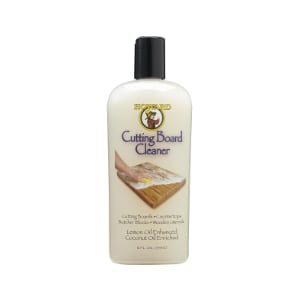
Howard
Wood Cutting Board Cleaner (for maintenance cleaning)
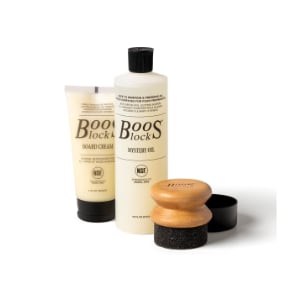
John Boos
3-Piece All-Natural Care & Maintenance Set
Water and Beverages (Daily Habits Add Up)
Water is one of the most consistent things we interact with in the kitchen. It’s the first thing many of us reach for in the morning and something we come back to throughout the day. Coffee, tea, cooking water, refilling a bottle before heading out.
Because hydration is such a daily habit, what you’re drinking and what you’re drinking from quietly adds up.
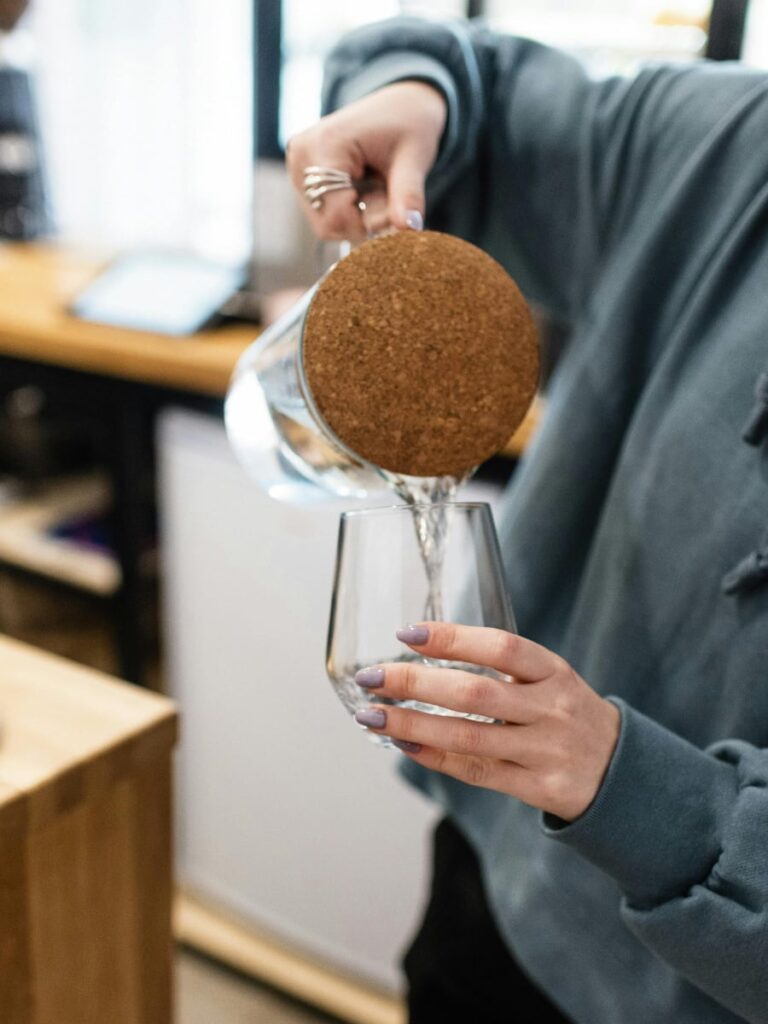
For water and beverages, the goal is to limit plastic contact as much as possible, especially when heat is involved.
That’s why the products in this section focus on glass and stainless steel. They’re stable, don’t absorb or transfer anything into water, and hold up well over time.
Look for:
- Glass water pitchers for everyday hydration
- Countertop or faucet filtration systems that store water in glass
- Stainless steel water bottles for daily use and travel
- Electric kettles with stainless steel interiors for boiling water
What to stay away from
Plastic bottles, plastic-lined containers, and appliances with plastic parts exposed to heat can transfer materials into water over time. This is more noticeable with hot beverages and boiling water, but it can also happen with everyday storage.
Think about:
- Reusable plastic water bottles that get warm in the car
- Kettles or coffee makers where hot water sits against plastic
- Water stored long-term in plastic pitchers
These are small, repeated exposures that add up simply because of how often we drink water.
Our Favorite Non-Toxic Water and Beverage Essentials:
These are the kinds of pieces that quickly become part of your routine. Once you switch, it feels natural and low effort, and it’s hard to imagine going back.
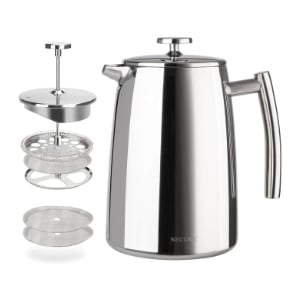
Secura
Stainless Steel French Press Coffee Maker
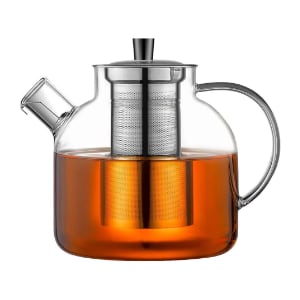
ehugos
Glass Teapot with Removable Infuser
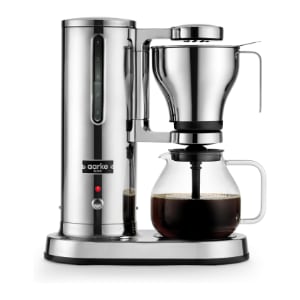
Aarke
Drip Brewer with Glass Carafe
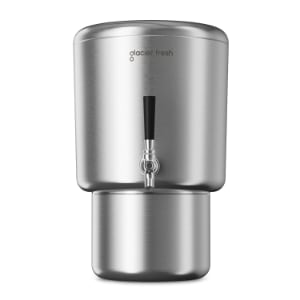
GLACIER FRESH
Stainless Steel Countertop Water Filtration System
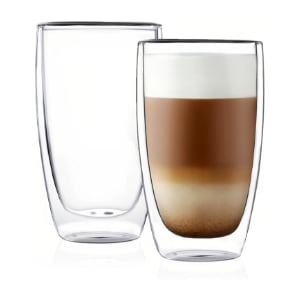
CNGLASS
Double Wall Thermo Glass Cup
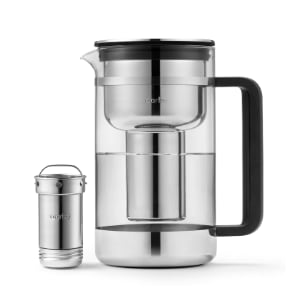
Aarke
Purifier Glass Water Pitcher, Pure & Enriched Water


Low Tox Bakeware (Heat Changes Everything)
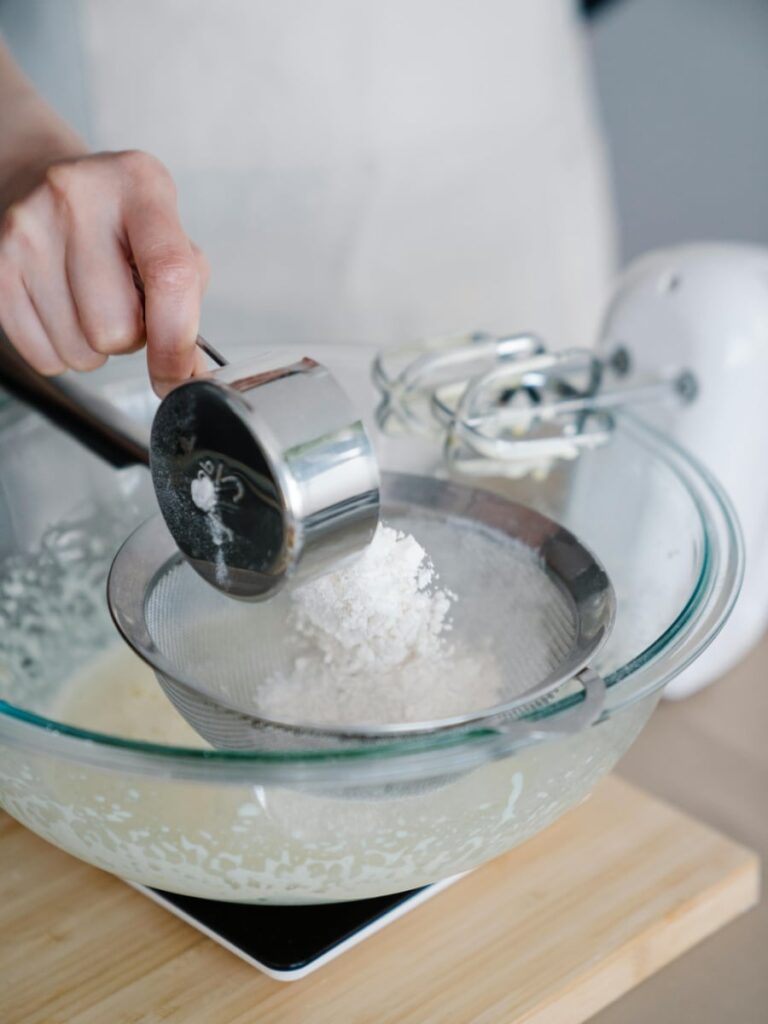
Bakeware is exposed to some of the highest temperatures in the kitchen. Long oven times, repeated heating and cooling, and direct contact with food all put stress on the materials being used.
Better low-tox options
Bakeware made from stable materials holds up better under repeated heat and lasts much longer.
Look for:
- Glass or porcelain baking dishes
- Stainless steel baking sheets
- Ceramic loaf and casserole dishes
- Uncoated cast iron for roasting or baking
These pieces don’t rely on coatings to work. They clean well, perform consistently, and age slowly. Many people end up using the same bakeware for most of their cooking life.
What to stay away from
Many baking pans rely on nonstick or coated surfaces to make cleanup easier. Over time, these coatings wear down, especially with frequent use, metal utensils, or high oven temperatures.
Aluminum foil is another common default. While convenient, it isn’t ideal for regular contact with food, particularly when baking or roasting at high heat.
Our Favorite Low-Tox Baking Essentials:
If you bake often, this is one of those areas where investing once makes everyday cooking easier.
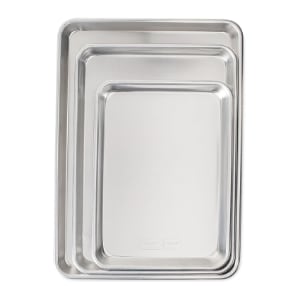
Nordic Ware
USA Made Aluminum Commercial Quality Sheet Pan Set

Silicone essentials
Non-Stick & Food Safe Silicone Mats for Baking
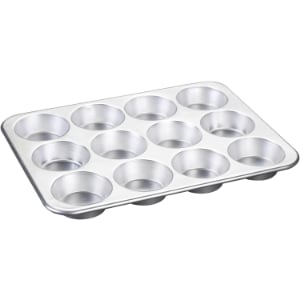
nordic ware
12 Cup Aluminum Commercial Muffin Pan
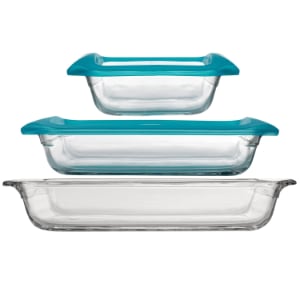
Libbey
5 Piece Glass Bakeware Set
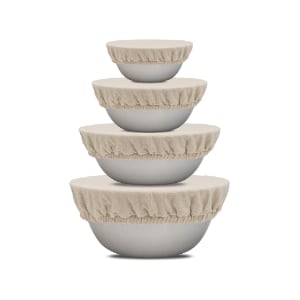
Organic Cotton Mart
100% Cotton Fabric Bowl Covers
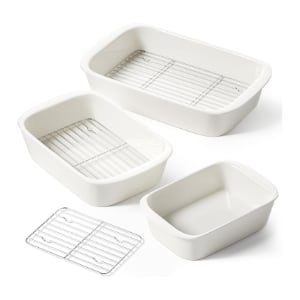
LE TAUCI
Ceramic Baking Dish Set w/ Roasting Racks
Non Toxic Dishwashing
The things you use to clean your dishes and surfaces come into contact with everything you eat from – plates, glasses, cookware, cutting boards. It’s easy to focus on what you cook with and forget about what you’re washing it with.
This is another area where simple materials tend to work best.
Better low-tox options
Reusable tools made from natural or durable materials hold up better and feel nicer to use day to day.
Look for:
- Reusable dishcloths
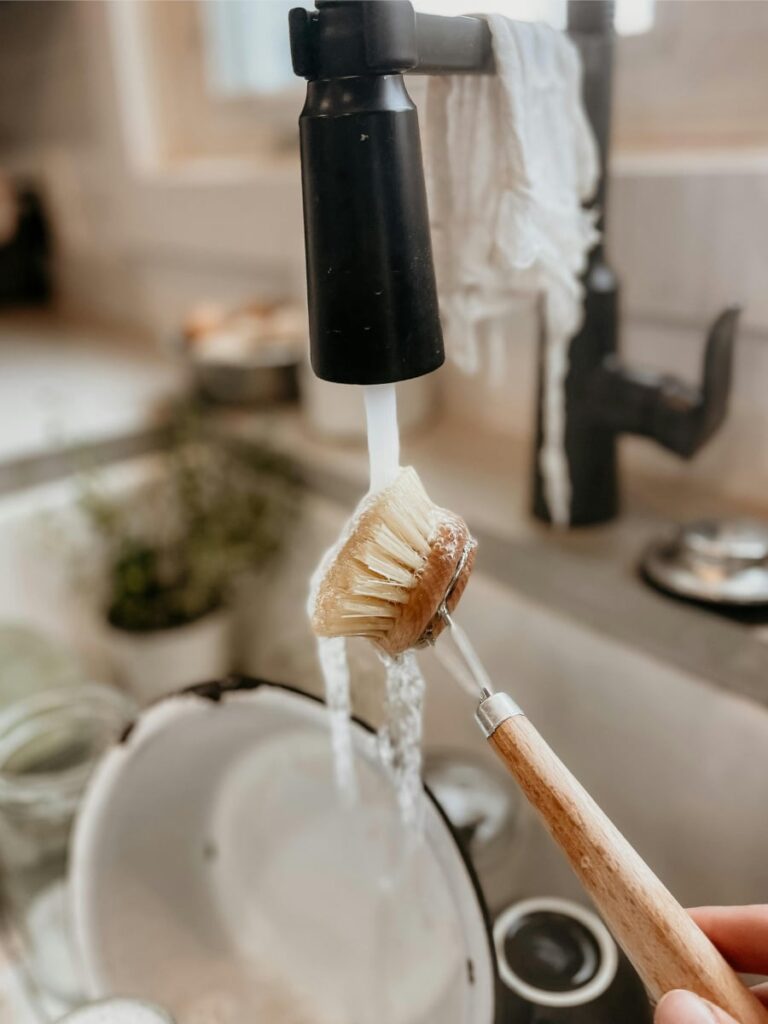
- Wooden-handled dish brushes
- Natural fiber scrubbers
- Cellulose or cotton sponges
Most of these options last far longer than their disposable counterparts making them better for us and the earth <3
What to stay away from
Conventional cleaning tools are designed to be disposable, cheap, and harbor bacteria.
Synthetic sponges, plastic scrubbers, and heavily fragranced dish tools and soaps tend to wear down quickly and spread harmful toxins into the home and waterways. Over time, they begin to shed small particles, hold onto odors, and leave residue behind.
Our Favorite Eco-Friendly & Non-Toxic Dish Washing Essentials:
These tools clean effectively, dry well between uses, and can be washed or replaced individually as they wear.
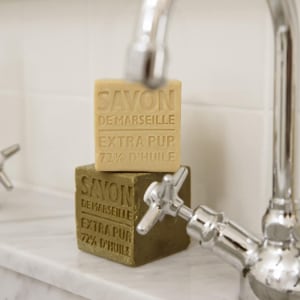
Compagnie de Provence
Savon Marseille Palm Soap Cube
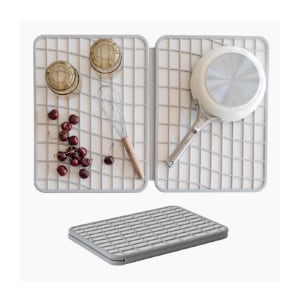
Dorai
Quick-Drying Stone Mat for Kitchen
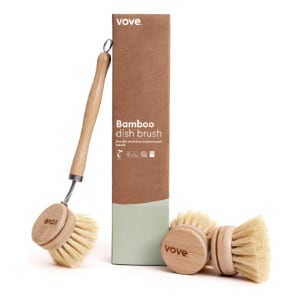
Vove
Bamboo Dish Brush- Natural Fiber Bristles
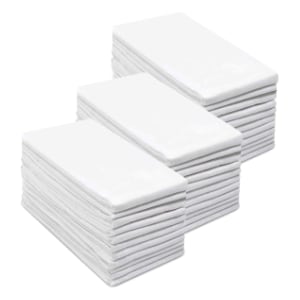
SIMPLI-MAGIC
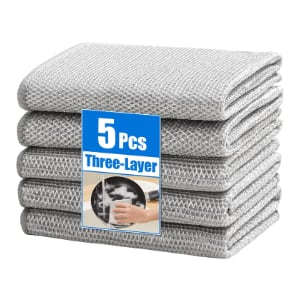
Flour Sack High Absorbent Kitchen Towels
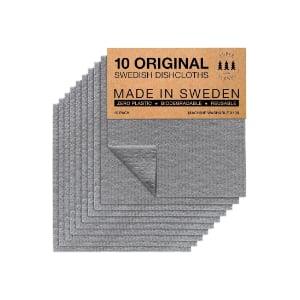
SUPERSCANDI
Swedish Dishcloths – 100% Biodegradable & Compostable
Low-Tox Small Appliances for the Kitchen
Small appliances are some of the most used tools in a modern kitchen. Toasters in the morning, air fryers for quick dinners, toaster ovens running almost daily.
Because these appliances cook food at high heat and often in enclosed spaces, the materials they’re made from matter more than we tend to think about.
Better low-tox options
Appliances made with stainless steel interiors or glass components hold up better under heat and don’t rely on chemical coatings to function.
The appliances included here are intentionally:
- Free from nonstick PTFE coatings
- Designed with stainless steel or glass cooking surfaces
- Built to last, not be replaced every few years
Look for:
- Appliances that clearly state no nonstick or PTFE coatings
- Toasters and toaster ovens with stainless steel interiors
- Steam ovens or steam-assisted appliances
What to stay away from
Many air fryers, toaster ovens, and compact ovens are coated with PTFE-based nonstick coatings on the interior surfaces or baskets.
These coatings are designed for convenience, but they aren’t meant to last forever. With repeated high-heat use, they can wear down over time. Scratches, flaking, and heat degradation all increase the chance of the coating interacting with food.
Our Favorite Non-Toxic Small Kitchen Appliances:
For appliances you use regularly, choosing something made without nonstick coatings is a smarter long-term option.
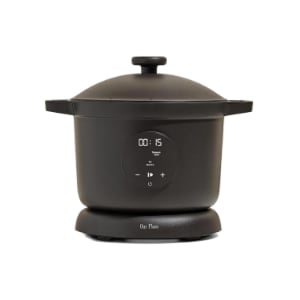
Our Place
6 Qt Ceramic Multicooker
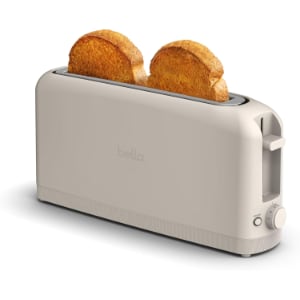
bella
2 Slice Slim Stainless Steel Toaster
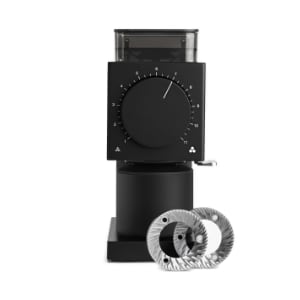
Fellow
Electric Coffee Bean Grinder
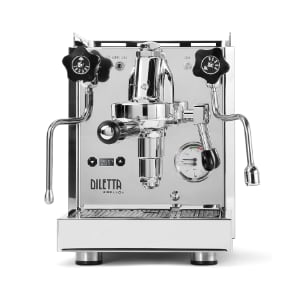
Diletta Bello
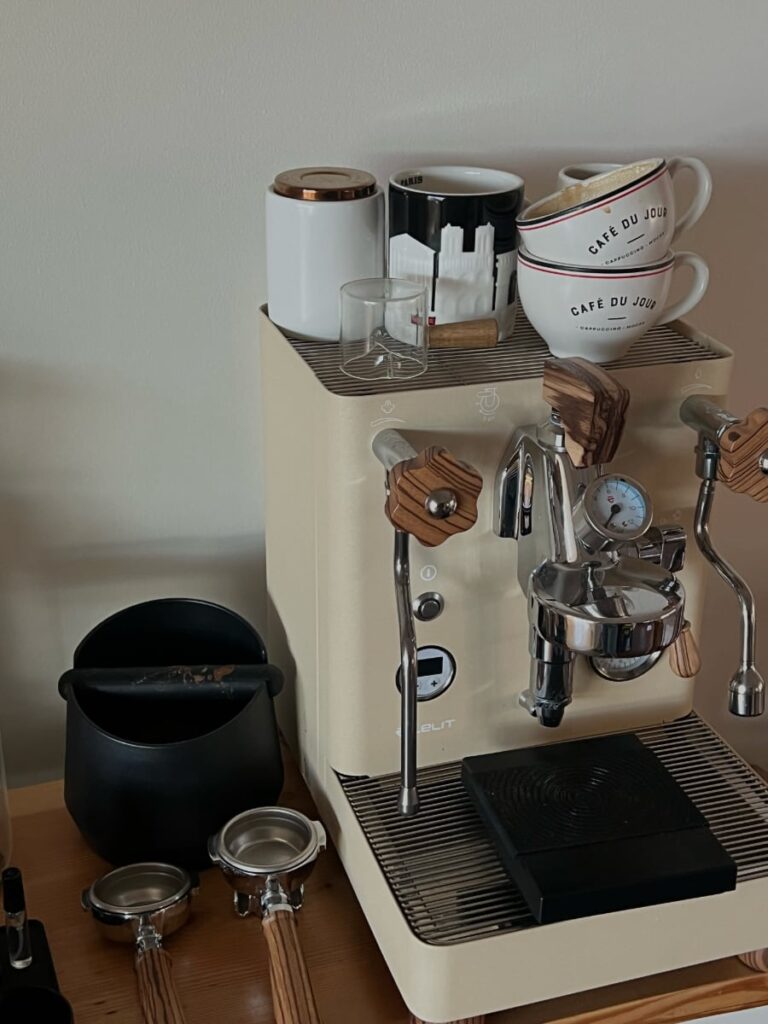
Espresso Machine (Stainless Steel)
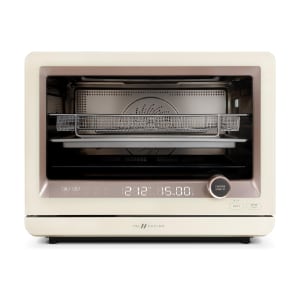
VAL CUCINA
7-in-1 Steam Convection Oven
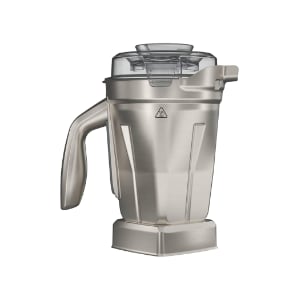
A Low-Tox Kitchen, Built Over Time
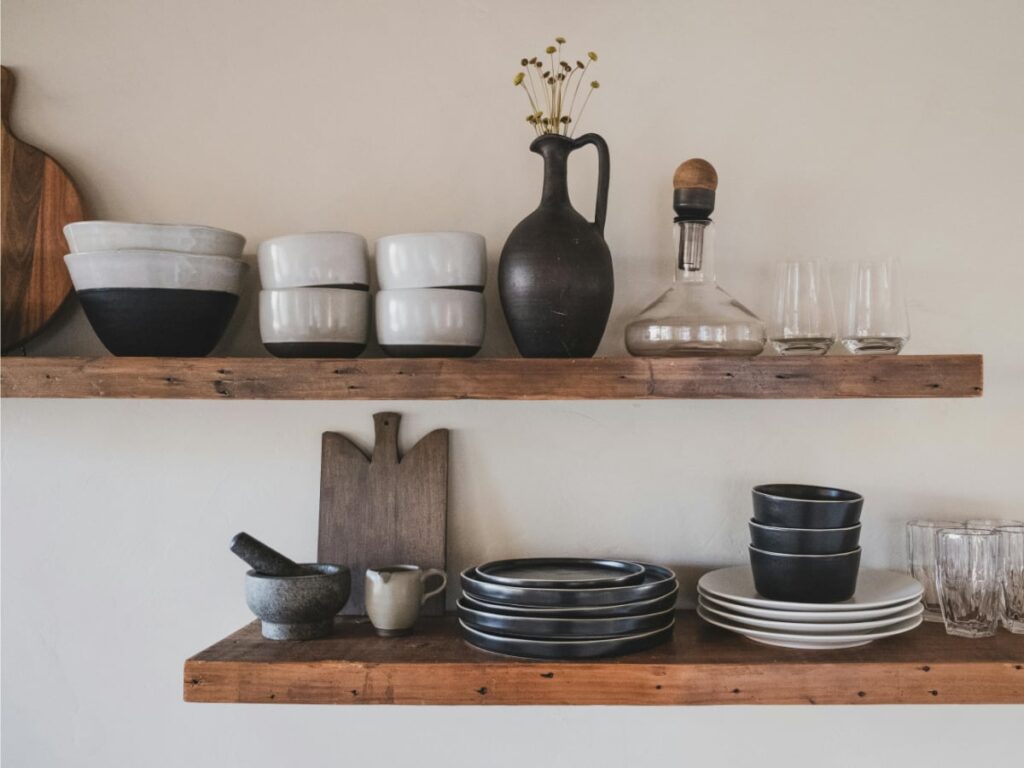
A low-tox kitchen isn’t something you finish in a weekend. It’s something you build slowly, as things wear out and as you learn what you actually use.
The goal isn’t to replace everything or get it “perfect.” It’s to choose materials that make sense for daily life. Pieces that hold up, clean well, and feel good to use year after year.
Glass, stainless steel, wood, and cast iron have been around forever for a reason. They age well. They don’t need to be swapped out constantly. And once they’re part of your kitchen, they fade into the background in the best way.
If you’re starting somewhere, begin with what touches heat and food the most. Replace one thing at a time. Let the rest follow naturally.
A kitchen built this way feels quieter. More intentional. Less disposable.
And that’s really the point <3