Slow Travel vs Vacation Travel: A Calmer Way to Travel
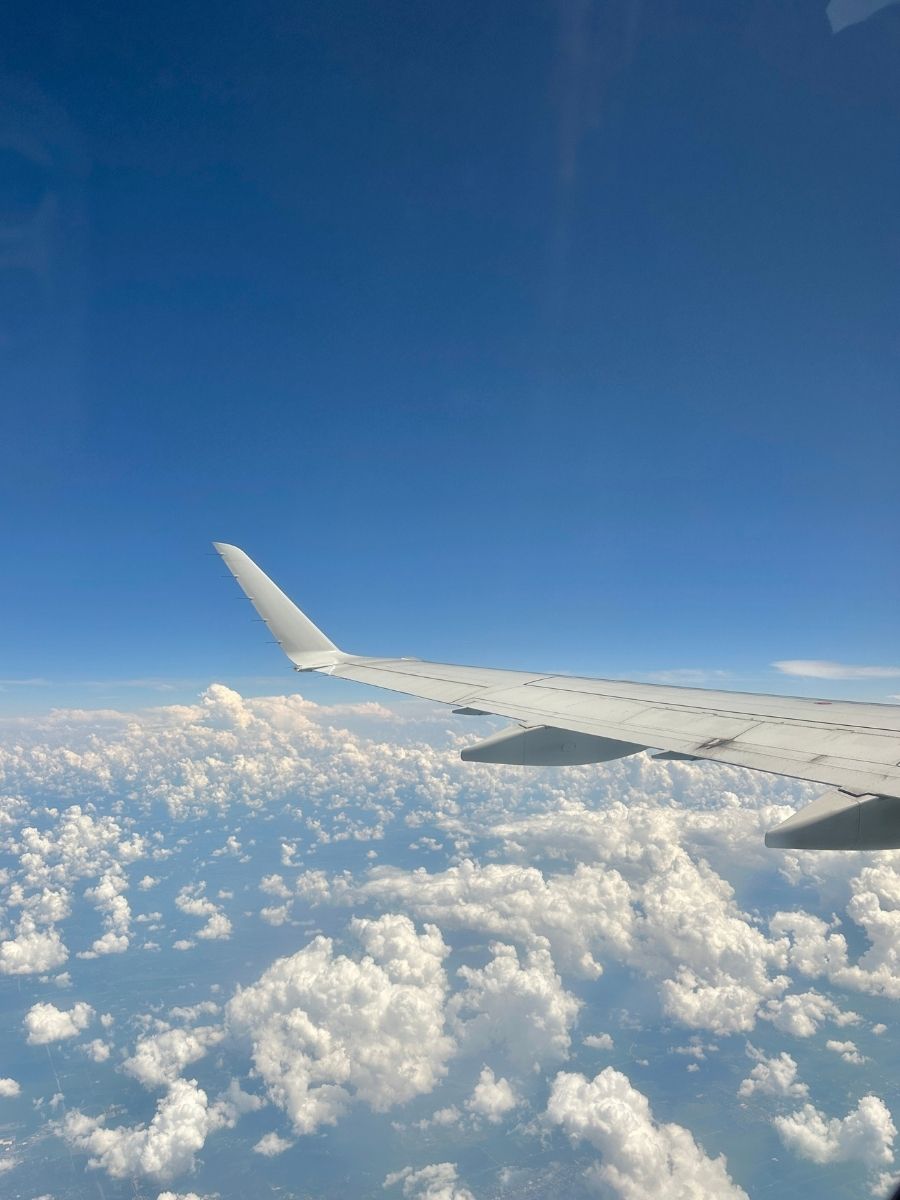
For a lot of people, travel has meant months of planning for a short trip packed with things to do. Saving up, booking flights, and trying to see as much as possible in a limited window can actually be exhausting. You come home with photos and memories, but also feeling like you need a break from the break.
This is where vacation travel and slow travel start to differ.
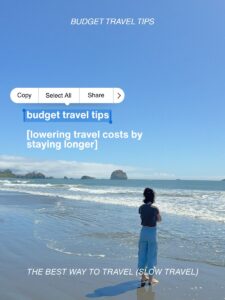
Slow travel turns travel into an extension of life rather than a vacation from it. Vacation travel isn’t bad. It’s just different. Slow travel isn’t about doing more. It’s about doing less, with more intention.
Who Slow Travel Is Actually For
Slow travel isn’t about quitting your job, traveling full-time, or being able to disappear for months at a time. It’s not reserved for people with unlimited flexibility or income.
It’s for anyone who wants to travel to feel calmer, more intentional, and less exhausting. It’s for people who want depth instead of surface level, and flow instead of constant movement. You can slow lifestyle travel even on a one-week trip.
Longer stays are one expression of slow travel, not the only expression. The real shift is in your pace, mindset, and how you truly exist in a place.
Vacation Travel vs Slow Travel
Slow travel looks a lot more like real life. You grocery shop, take walks, cook meals, and slowly get to know where you are (and get to have the location of your choice right outside of your door). Travel becomes less about highlights and more about continuity.
Vacation travel often looks like:
- a 5–7 day stay
- packed daily itineraries
- eating out for every meal
- prioritizing landmarks and attractions
- constant movement and decision-making
Slow travel often looks like:
- staying in one place longer
- building a simple daily routine
- shopping at local grocery stores
- walking the same streets regularly
- balancing work, rest, and exploration
This shift doesn’t require a dramatic lifestyle change. Even planning fewer activities or choosing one neighborhood instead of hopping around can completely change how a trip feels.
Slow Travel Is Naturally More Eco-Conscious
Slow travel often ends up being more environmentally conscious, even when that’s not the primary goal.
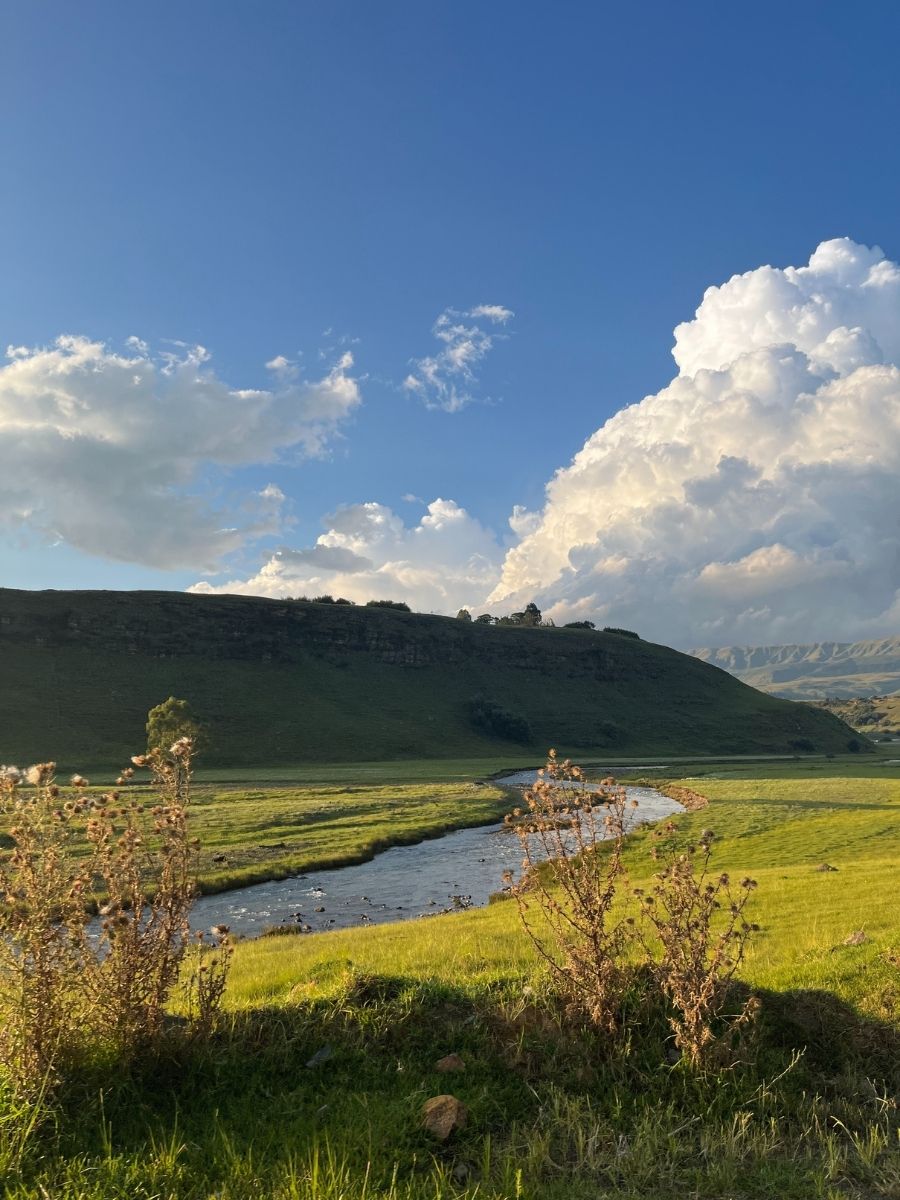
Staying longer doesn’t automatically mean using fewer resources overall. What it changes is the pace and concentration of consumption. Fast travel compresses flights, transportation, and spending into a short window, while slow travel spreads those needs out and reduces the intensity of daily impact.
Eco-conscious travel = environment + resources
- reducing physical impact
- consuming fewer resources
- minimizing constant movement
- longer stays = fewer flights
- routines = fewer disposable purchases
- grocery shopping = less packaging than constant takeout
- walking neighborhoods = lower transportation footprint
Slow Travel Is a More Conscious Way to Travel
Conscious travel is about cultural awareness and respect. Vacation travel can sometimes feel transactional. You arrive, experience, document, and leave. Slow travel encourages you to observe first. To respect the pace of the place you’re in. To blend in rather than stand out.
A Simple Checklist for Conscious Travel
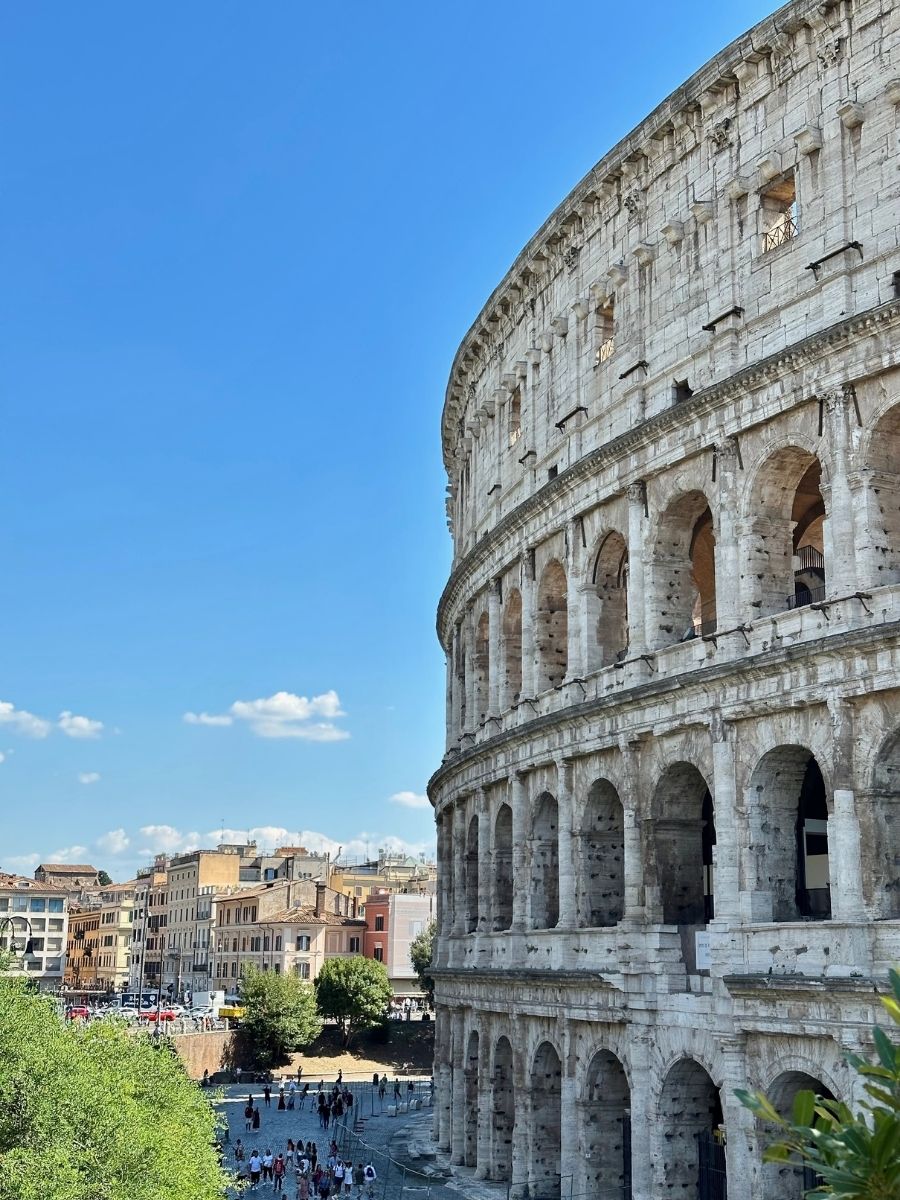
Being a conscious traveler doesn’t require deep research. A few thoughtful searches before you arrive can change how you experience a place, and how you’re received in it.
Before traveling somewhere new, consider quickly looking up:
- Cultural etiquette in the country or region
- Dress expectations, especially for religious or local spaces
- Basic language phrases like hello, thank you, and excuse me
- Dining norms, including tipping and table etiquette
- Social expectations around noise, personal space, and public behavior
- A brief history or current context of the place you’re visiting
You don’t need to know everything. Arriving informed, curious, and respectful goes a long way.
Conscious Travel = culture + presence
Slow Travel Is Nervous-System Friendly Travel
Fast travel is stimulating. New environments, constant decisions, tight schedules, and unfamiliar routines all add up. Even when the experience is positive, the nervous system can stay in a heightened state.
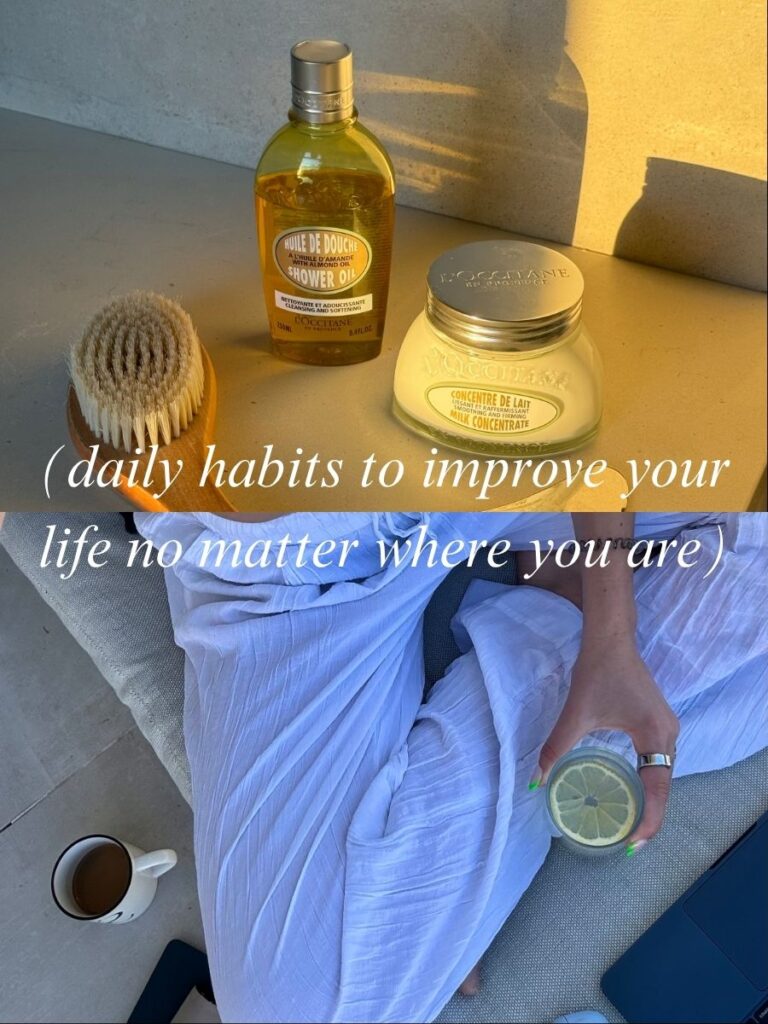
Slow travel creates space for regulation. Familiar routines help the body feel safe. Fewer daily decisions reduce mental load. Slower mornings and unstructured afternoons allow your nervous system to settle instead of staying on high alert.

Small shifts that support a calmer travel experience:
- keep your morning routine consistent
- limit how many new things you do in a day
- schedule rest days with nothing planned
- walk instead of constantly navigating transit
When travel feels calm, you’re able to be more present. You’re not just seeing places. You’re actually experiencing them.
Dive deeper into our Nervous System Morning Habits here.
A Different Way to Travel
Slow travel isn’t about abandoning responsibility or booking a one-way ticket with no plan. It’s about choosing a different relationship to time, place, and pace.
You don’t have to do it all at once. Longer stays. Fewer moves. More intention. Travel that supports your life, not just a trip.
xoxo
At Meg + Liv, we focus on authentic travel, simple routines, and products that actually earn their place in daily life. We believe the right tools, habits, and environments can make life feel more intentional without trying to optimize every second.
If you want to go deeper, you can explore more of our travel guides, everyday routines, and curated product recommendations across the site. Everything we share is here to help you build a life that feels good, sustainable, and truly yours.