The Art of Slow Travel: What It Means and How to Start

Slow travel has become one of the most searched-for travel styles in the last few years, but understanding what it means and how to start is where most people get stuck. For us, it started by accident. We went to New York City for four days, spent over a thousand dollars on a hotel, and left feeling like we barely got a taste of the city. On the flight home, we signed up for TrustedHousesitters. Two months later, we were back in New York for two weeks, settling into a routine, working from local cafés, walking neighborhoods, and realizing that even the city that never sleeps has its own slow rhythm when you’re not rushing from one attraction to the next.
That trip changed everything. We started to understand the art of slow travel. Not as a luxury or a long-term sabbatical, but as a mindset you can bring into any trip. Slow travel is less about how much time you have and more about how you spend it. It’s about staying curious, finding everyday spots you love, and carrying pieces of your real life with you instead of leaving it all behind for a week.
This guide explains what slow travel actually means, how to start, and why more people are choosing it as a calmer, more meaningful way to explore the world. You’ll find real examples, practical steps, budget-friendly options, and the best destinations for slow travel, whether you’re traveling for a weekend or a month.
What Is Slow Travel? Understanding the Meaning Behind the Slow Travel Trend
Slow travel is a mindset that focuses on experiencing a place rather than rushing through it. It is not defined by how long you stay somewhere. You can slow travel on a weekend trip or during a month abroad.
Slow travel means:
- Choosing depth over speed
- Exploring neighborhoods instead of hopping from attraction to attraction
- Keeping some of your normal routines while traveling
- Giving yourself space in the day rather than packing every hour
- Allowing a place to feel lived in rather than consumed
The slow travel meaning is simple. It’s traveling in a way that feels sustainable, enjoyable, and personal. You’re not trying to escape your real life for a week. You’re learning how to bring your real life with you and let it adapt to wherever you are.
Slow Travel vs Traditional Travel: A Clear Comparison
Here are the differences people actually feel when they shift to slow travelling. Quick, skimmable, and easy to understand.
Traditional Travel Mindset:
- Fast itineraries
- Major attractions first
- Expensive hotels in tourist zones
- All-day sightseeing
- Little room for flexibility
- Feels like a break from real life
Slow Travel Mindset:
- Loosely structured days
- Neighborhood cafés, parks, and markets
- Creative stays like house sitting
- Time to pause, work, rest
- Plans that adapt to how the day feels
- Your routines travel with you
Real Slow Travel Examples: Seattle, NYC, and Hawaii

These are a few ways slow travel has shaped our own trips and allowed us to work, explore, and settle into a place.
New York City
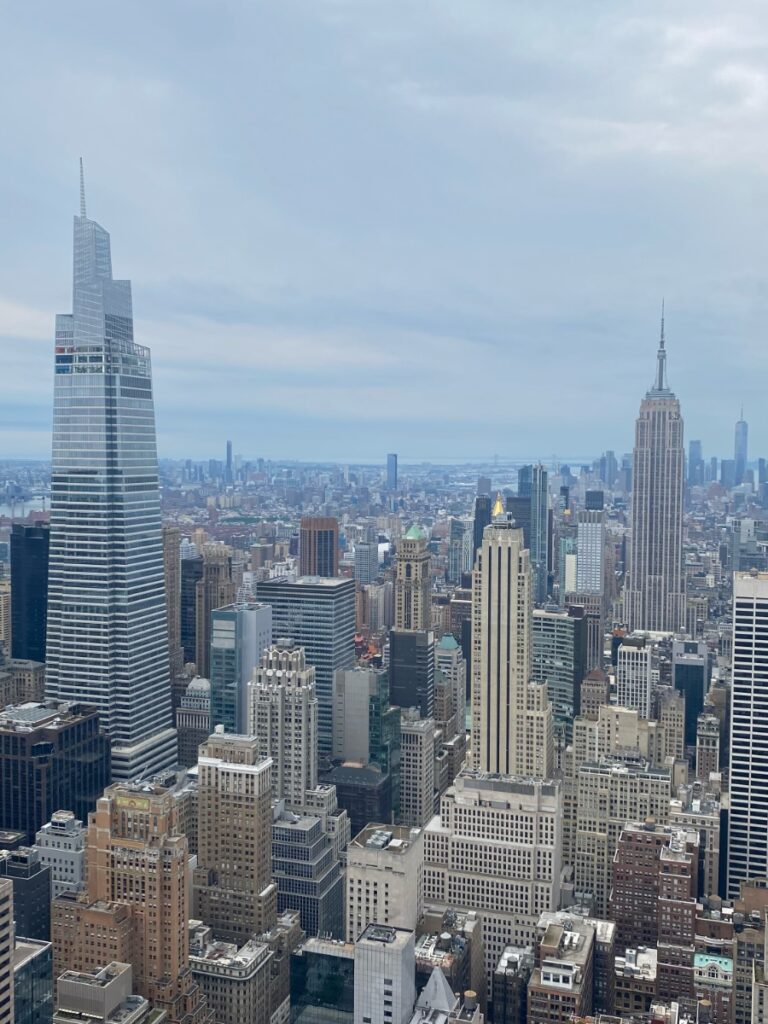
Our biggest slow travel shift happened here. After our rushed four-day trip, we returned for two weeks. We worked from different cafés, found quiet skyline viewpoints at sunset, walked the same neighborhoods multiple times, and realized how the city feels completely different when you aren’t racing to every landmark. Slow travel gave us space to actually enjoy NYC instead of powering through it.
Seattle
Seattle has a natural slow travel energy. We spent 3 weeks here walking to coffee shops, exploring local markets, and driving around the different vibes of the city. Staying long enough gave us a sense of the city’s rhythm and allowed us to explore at a local level, which is something you miss when you’re only there for a weekend of attractions.
Hawaii
We spend part of the year in Hawaii, and this is where slow travel becomes a lifestyle. Everyday routines blend with moments outside. Talking with locals, coastal walks, fresh dinners, and simple living all become part of the experience. Even familiar places become slow travel destinations when you explore them with the right intention.
View all of our slow travel destination guides here:
slow travel guides : The Archives
The Benefits of Slow Travel and Why It Matters
Slow travel has practical, emotional, and financial benefits. Here are the most important ones.
- You feel less rushed and burnt out
- You spend less on hotels, transportation, and constant activities
- It is easier to work remotely + keep up with your routines
- You make deeper memories because you’re actually present
- You understand and support the local community instead of just observing it
- You reduce your environmental impact
- You return home feeling better, not exhausted
Slow travel is a trend for a reason. People want trips that feel meaningful and manageable.
How to Start Slow Travelling on Any Trip

Slow travel doesn’t require more time. It requires a different approach. You can use these steps on any trip, from a long weekend to a month-long stay.
Build your days around a simple routine
A familiar structure helps you feel grounded. Morning coffee, a walk, a few hours of work or reading, then exploring. Keep a rhythm but let the day stay flexible.
Choose fewer neighborhoods and spend more time in them
Instead of crossing the whole city every day, pick one or two areas and get to know them.
Walk & Public Transport as much as possible
Walking and public transportation make any trip feel more immersive and connected.
Skip the “must-see everything” mindset
Choose what genuinely interests you instead of what is famous.
Leave space in your daily schedule
Slow travel is about time. Not full itineraries.
Stay somewhere that supports daily life
A place with a kitchen, natural light, or a good work area can change the entire trip.
How to Travel Slow on a Budget: TrustedHousesitters and Workaway
Slow travel can be affordable when you use creative options. This is where platforms like TrustedHousesitters and Workaway help make slow travel accessible to more people.
TrustedHousesitters
House sitting lets you stay in someone’s home in exchange for caring for their pets or property. It lowers accommodation costs and allows you to live in a real neighborhood. This is how we returned to NYC for two weeks without spending thousands on a hotel and eating out. So nice to have a full kitchen!
Workaway
Workaway connects travelers with hosts around the world who offer accommodation in exchange for help or cultural exchange. It’s a simple way to stay longer, meet people, and explore a destination without the pressure of high travel costs.
Both options open the door to slow travel around the world, no matter your budget.
Best Slow Travel Destinations Around the World
You can slow travel anywhere, but some places naturally fit the mindset. These are well-known cities, coastal spots, and historical destinations that work especially well.
- Lisbon, Portugal
- Copenhagen, Denmark
- Amsterdam, Netherlands
- Edinburgh, Scotland
- Florence, Italy
- Paris, France
- Barcelona, Spain
- Kyoto, Japan
- Seoul, South Korea
- Mexico City, Mexico
- Oaxaca, Mexico
- Vancouver, Canada
- Seattle, Washington
- New York City, New York
- Asheville, North Carolina
- Santa Teresa, Costa Rica
- Split, Croatia
- Madeira, Portugal
- Hawaiian islands
These destinations are walkable, neighborhood-focused, and full of small everyday experiences that make slow travel feel natural.
Why the Slow Travel Trend Is the Future of Travel
Slow travel is becoming the preferred way to travel because it aligns with how people actually want to feel on a trip. It makes travel more affordable, more sustainable, and more enjoyable. It reduces stress on local communities. And it creates more personal, lasting experiences.
As remote work, flexible schedules, and longer stays become more common, people are moving toward travel that feels like life rather than escape. Slow travel is part of that shift.
Why Trust Us With Your Slow Travel Guide
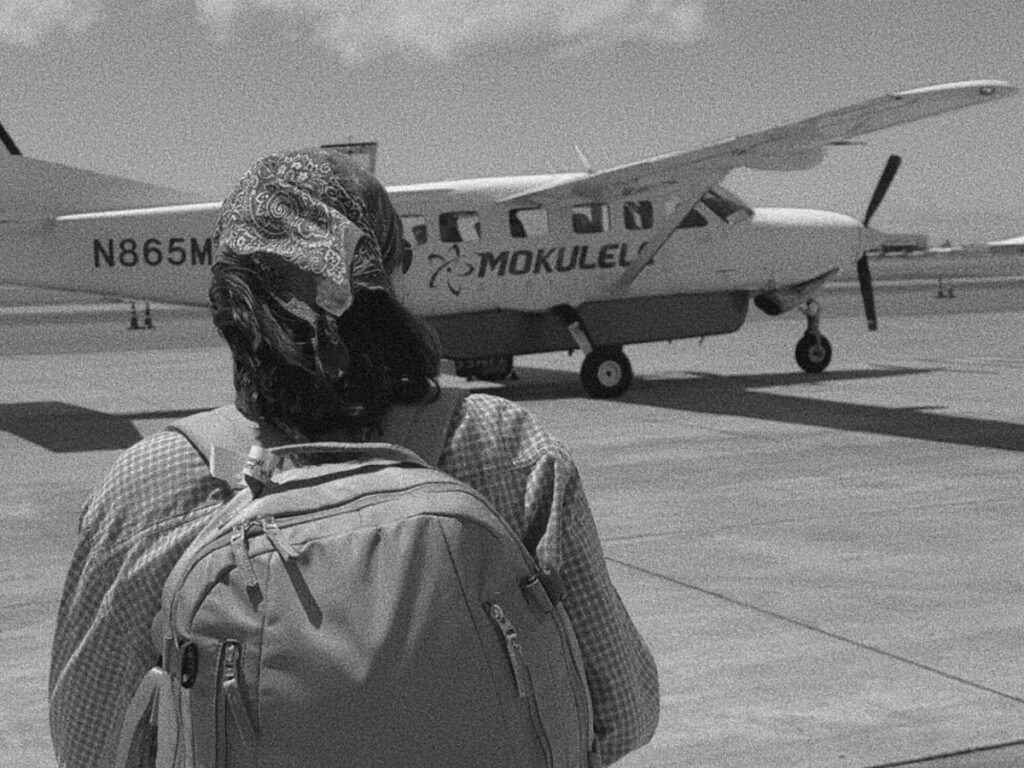
We’ve spent years shaping the way we travel, from long stays in New York and Seattle to living part of the year in Hawaii. We use slow travel to work, explore, and settle into each place without losing the routines that keep life steady and grounded. We’ve learned how affordable it can be, how flexible it is, and how it makes every destination feel richer.