50+ Things to Do in Chicago (From Two People Who Fell Hard for This City)
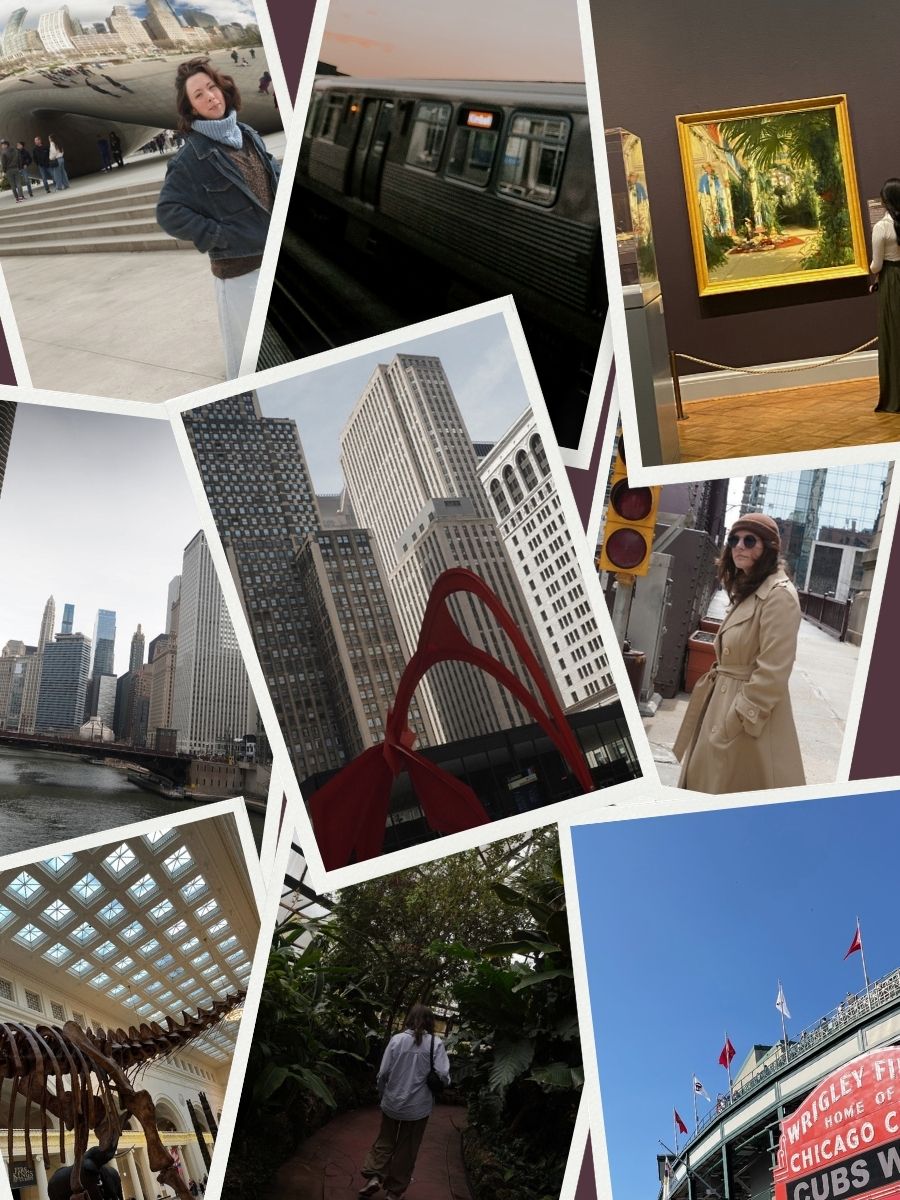
Chicago can feel like a tough city to approach when it comes to making an itinerary. There are the classics, of course. But what else is there? The answer is actually so much.
We fell in love with Chicago. It’s a city of neighborhoods, which most cities are, but here each one feels genuinely different from the last. There are endless restaurants, coffee shops, and bars, but which ones are worth your time? It’s a city rich in architecture, but where exactly should you look? We break it all down so you don’t have to have any questions about what to do while you’re here.
We created this Google Map for you to use and reference of everything on our things to do in Chicago list
Iconic Things to Do in Chicago
Don’t miss the iconic sights of Chicago! There’s a reason these are the classics and you will be able to get a full Chicago experience
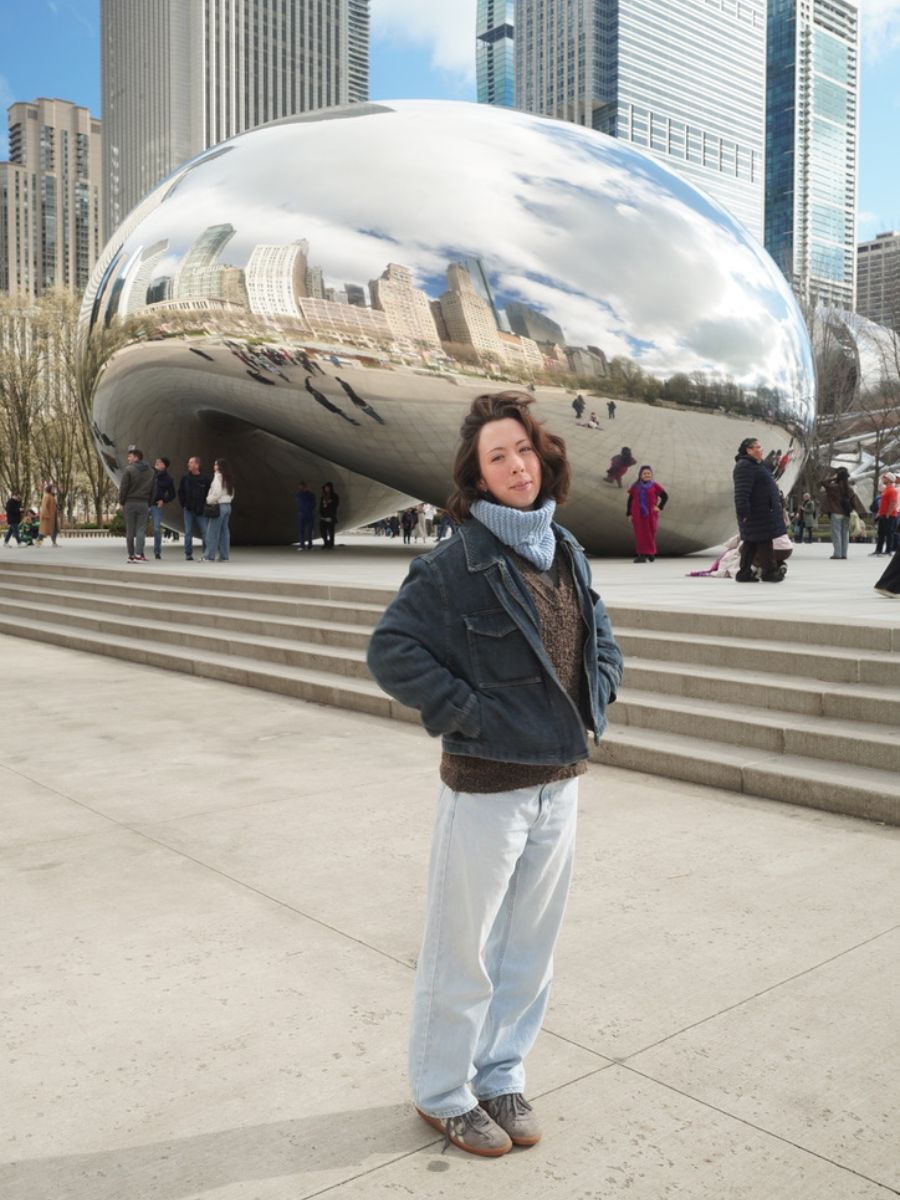
The Bean at Millennium Park: This is like the first thing you think of about Chicago, but it really is worth it! We went early in the morning around 830am and spent almost an hour staring at its beauty.
Architecture boat cruise: The Chicago Architecture Center River Cruise is the best way to understand why this city matters architecturally. You see the skyline from the water and get the history behind what you’re looking at. This is hugely recommended by locals even.
Walk the Magnificent Mile: A mile of flagship stores, historic buildings, and people-watching along N. Michigan Ave (downtown). The Chicago Water Tower marks the far end of this strip which is good to note if you are wandering.
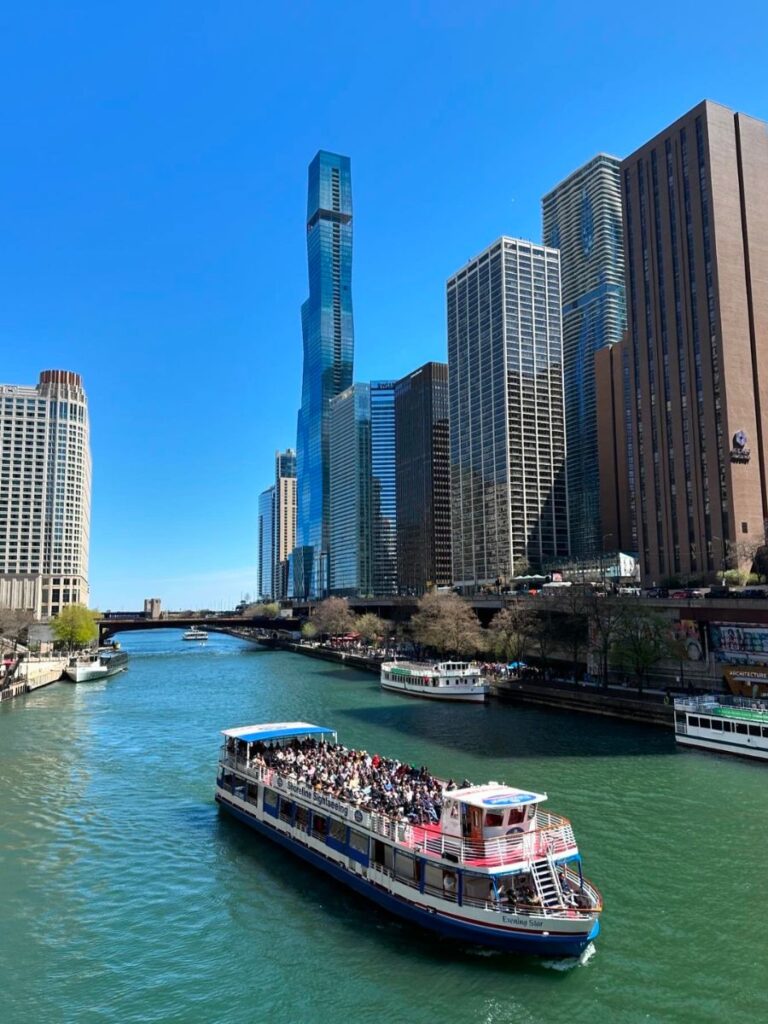
Chicago Riverwalk: Classic Chicago. The view changes as you go so walk the full length of it! The west end gets quieter and more interesting the further you go.
Skydeck at Willis Tower: The glass-floored observation box that you see everyone taking pictures at. Fun if it’s your thing.
360 Chicago observation deck: 94th floor views with a tilting window experience if you want it. Shorter lines than Willis Tower, and some argue the views are better.
Navy Pier: Ferris wheel, lake views, classic Chicago. It can feel touristy but it earns its place on the list.
Wrigley Field: Go to a game or just walk the exterior. It’s one of the most beautiful ballparks in the country and the neighborhood around it, Wrigleyville, is worth wandering before or after a game for all the energy.
Lincoln Park Zoo: Free, walkable, and sits right on the lake. A genuinely good zoo that happens to cost nothing.
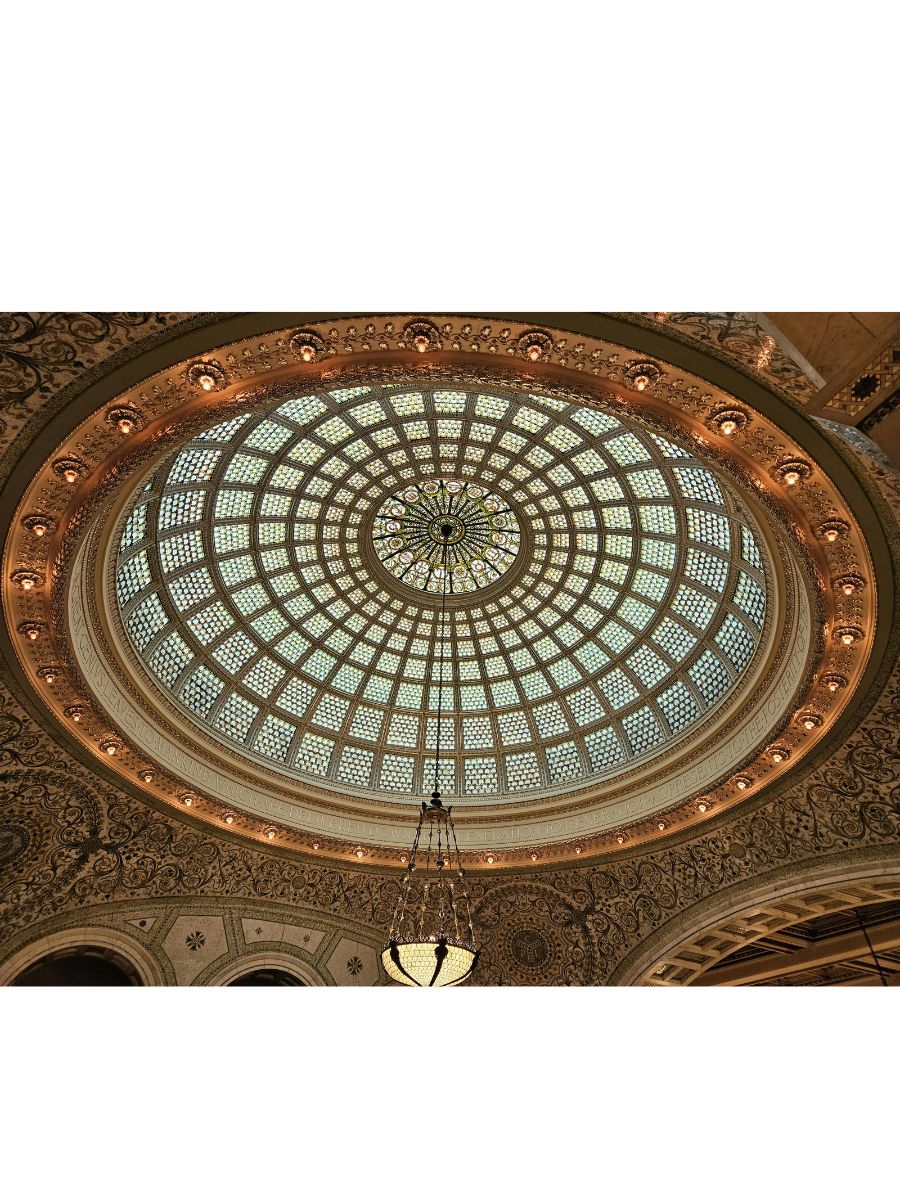
Chicago Cultural Center: Free rotating art exhibitions inside a building with one of the most stunning Tiffany glass domes you’ll ever stand under. Most people walk right past it.
Lakefront Trail: 18 miles of paved path along Lake Michigan. Free, open year-round, and one of the best things about living in or visiting this city.
North Avenue Beach: Where the lakefront trail meets a real beach. In warmer months it fills up fast, but early morning it’s quiet and the skyline view from the water is something.
Ride the L around the Loop: The Brown, Pink, Orange, or Purple lines circle downtown at rooftop level, giving you an eye-level view of the architecture you can’t get any other way. It costs the price of a train fare and it’s one of the most underrated things you can do here.
Chicago Museums to Visit
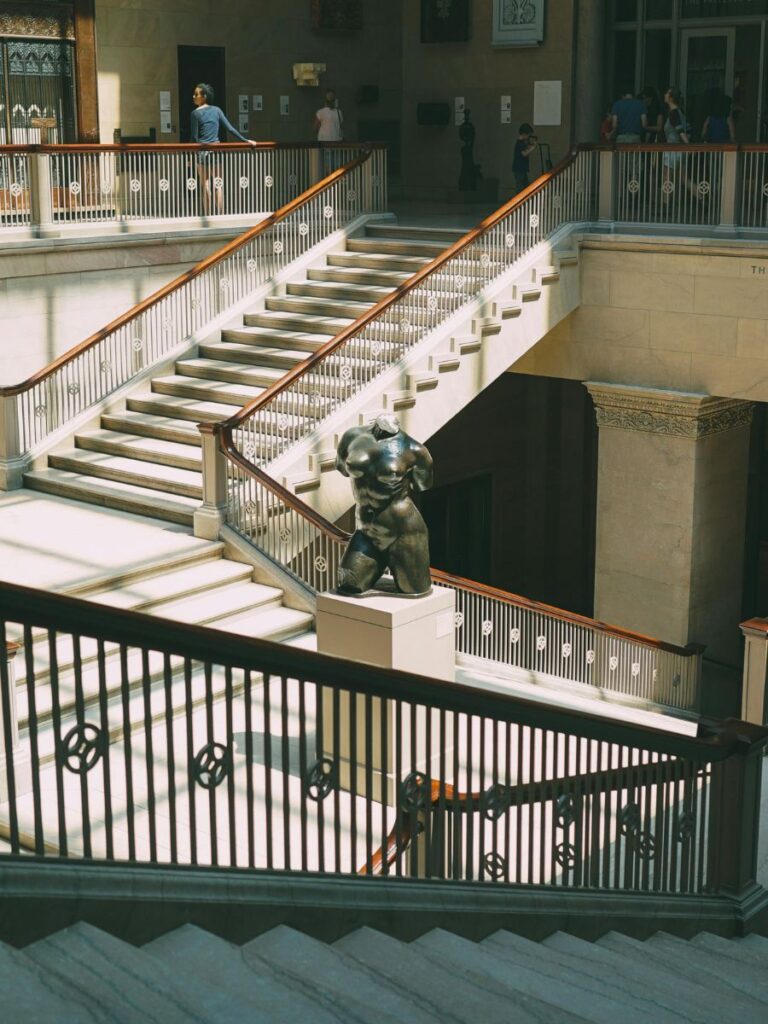
Art Institute of Chicago: One of the largest Impressionist collections outside the Louvre, with a world-class modern wing. Give it at least three hours.
Field Museum: Natural history on a massive scale. Say hi to SUE, the most complete T. rex ever discovered. The building itself is worth seeing.
Museum of Science and Industry: One of the largest science museums in the Western Hemisphere.
DuSable Black History Museum: The nation’s first independent museum dedicated to African American history and culture. One of the most important museums in the country and consistently undervisited by tourists.
National Museum of Mexican Art in Pilsen: Rare outside of Mexico. Ancient works through contemporary pieces, in one of Chicago’s most interesting neighborhoods.
Chicago Architecture and Outdoor Spaces
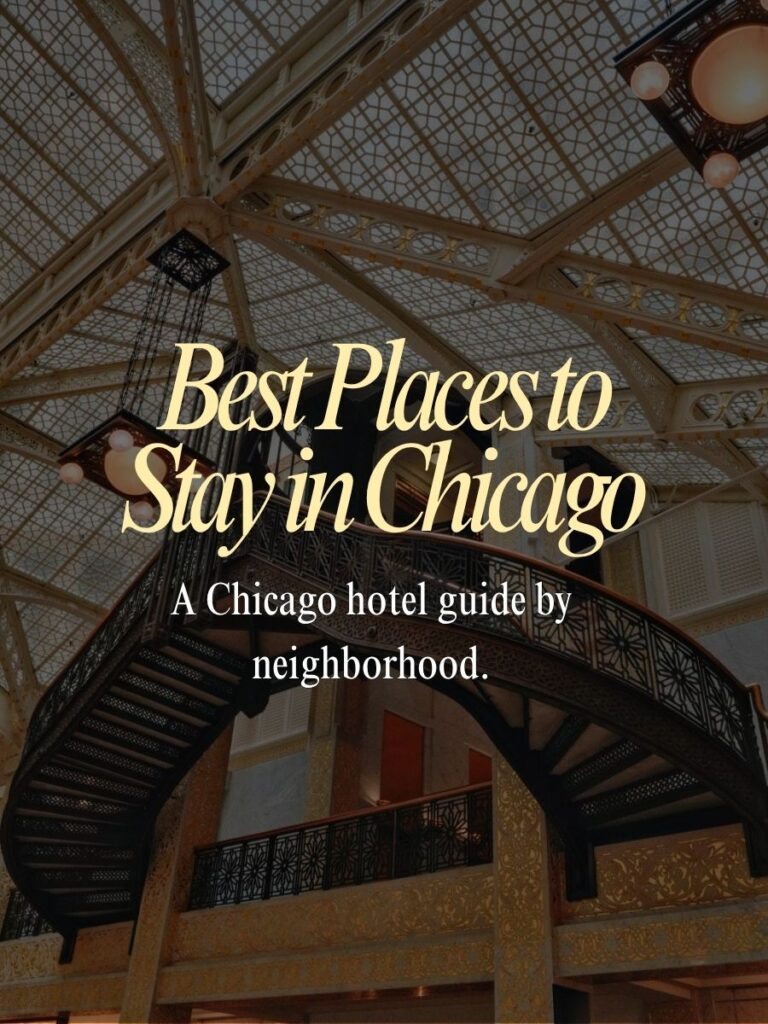
The Rookery Building: A landmark Loop building from 1888 with a Frank Lloyd Wright-redesigned interior atrium. Step inside. The lobby alone is worth the detour.
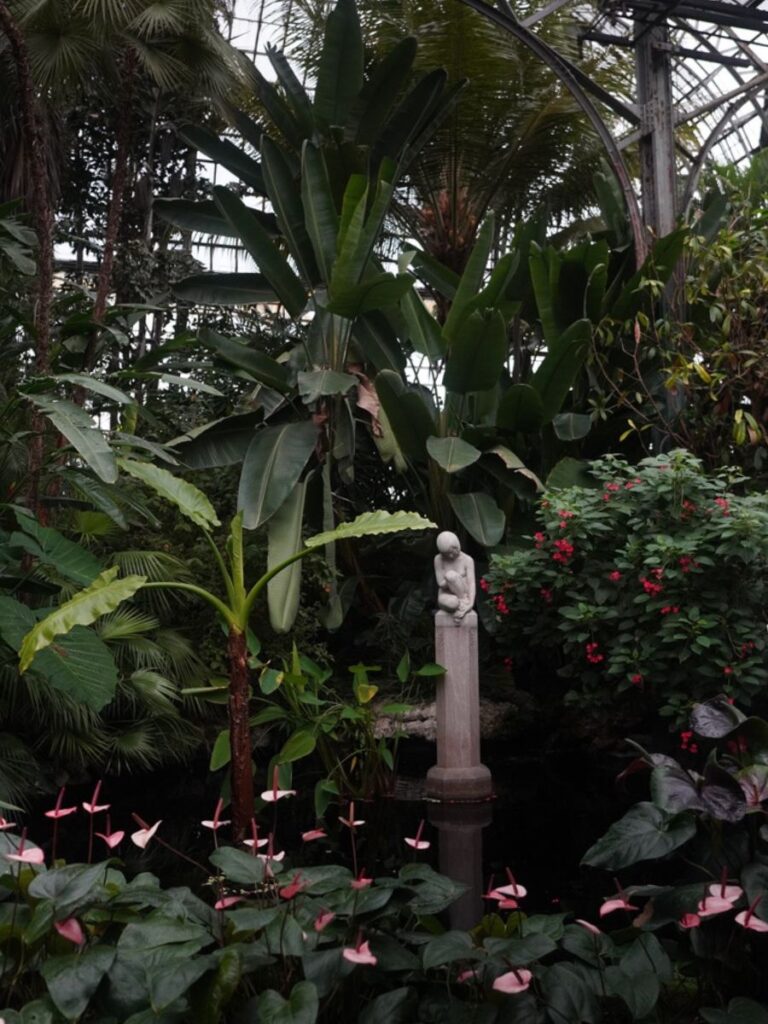
Lincoln Park Conservatory: A Victorian Conservatory inside Lincoln Park. Also free. An intimate conservatory but packed full with amazing plants we haven’t seen in others. A must-visit.
The 606 trail: 2.7 miles of converted elevated rail running through four neighborhoods, with public art and murals throughout. It’s free, it’s beautiful, and it’s longer than the High Line in New York.
Garfield Park Conservatory: One of the largest conservatories in the country and almost entirely off the tourist radar. The fern room alone is worth the trip out there.
Alfred Caldwell Lily Pool: Hidden just north of Lincoln Park Zoo. A small landscape garden.
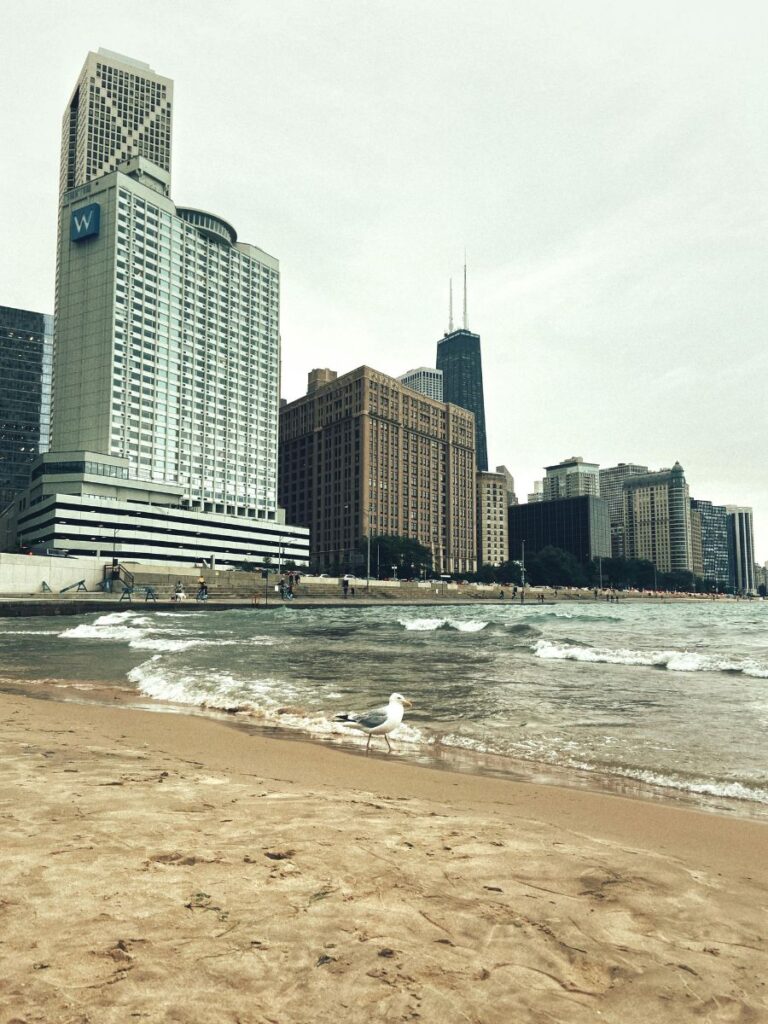
North Pond: A quiet lagoon inside Lincoln Park, easy to miss if you don’t know to look for it. Good for a slow walk between the conservatory and the zoo.
Diversey Harbor: Where Lincoln Park meets the lake. A walk and a view of the city from the water without the crowds of Navy Pier.
Garden of the Phoenix in Jackson Park: A serene Japanese garden on the South Side, beautiful year-round and especially so in spring.
Ping Tom Memorial Park: Along the Chicago River in Chinatown. Genuinely one of the prettiest green spaces in the city and almost never crowded, good view of the city.
Crilly Court in Old Town: A row of late-1800s townhouses.These “Queen Anne” style homes combine architectural elements of Classical, Tudor, Victorian, and Colonial styles.
Where to Eat in Chicago
Chicago takes its food seriously. Here’s what to eat and where to eat it.
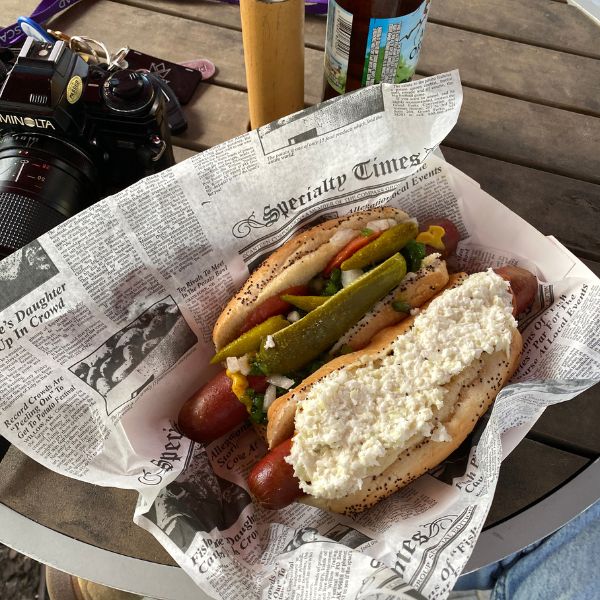
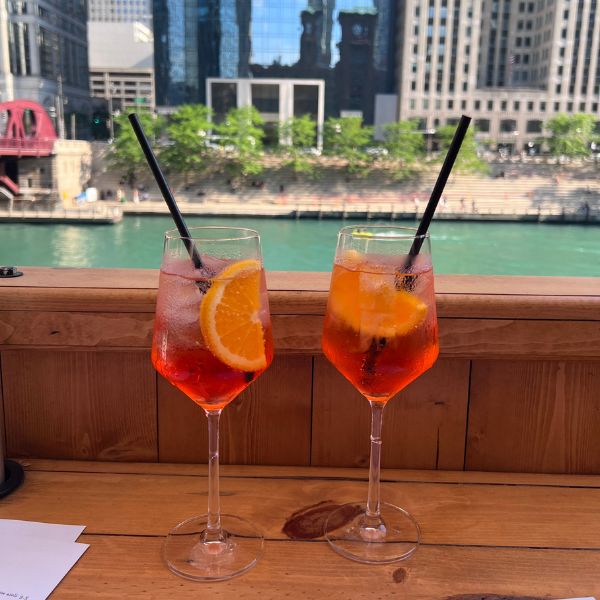
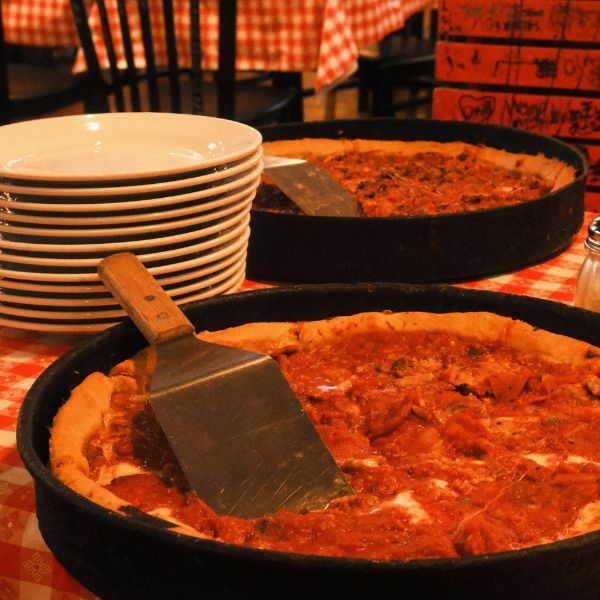
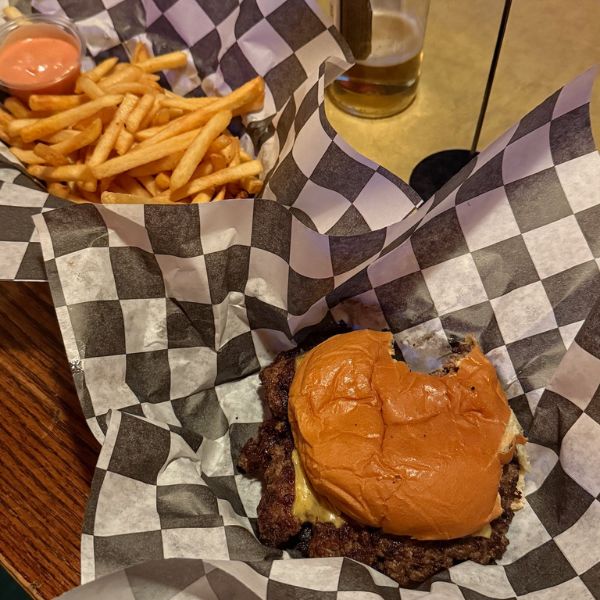
Deep dish at Pequod’s: The caramelized cheese halo crust is what sets it apart from every other deep dish in the city. Make a reservation. It fills up fast and the wait without one is real.
Chicago-style hot dog at Fat Johnnie’s Red Hots: Cucumber instead of pickle, cash only, South Side institution. Locals call it one of the best in the city.
Italian beef sandwich at Johnnie’s Beef: Every neighborhood has its spot and locals will argue about which one is best, but this one has a general consensus of being one of the best.
Thin crust pizza at Lou Malnati’s: What Chicagoans actually order on a regular Friday night.
Birria tacos at Birrieria Zaragoza: Goat birria, tucked away in Archer Heights on the Southwest Side. A local cult following for good reason. Worth the extra trip to get there.
Jibarito sandwich: A Chicago original. Banana plantain replaces the bread. You won’t find it everywhere but when you do, order it.
Hoosier Mama Pie Company: Scratch-made pies with rotating seasonal flavors, a tiny storefront, and a loyal following. Go early.
Beachwater Bagels at Middle Brow: Sourdough, charred crust, trout schmear. Saturday mornings only, out of the Middle Brow brewery in Logan Square. Worth planning your Saturday around.
Randolph Street Restaurant Row: The stretch of Randolph Street from Fulton Market to Union Park is one of the most concentrated dining corridors in the city. Good for a dinner reservation or just wandering to see what catches you.
Cool Coffee Shops in Chicago
NOMAD: Amazing, aesthetically pleasing cafe retail space. Female-owned. Consistently cited as the best matcha in the city.
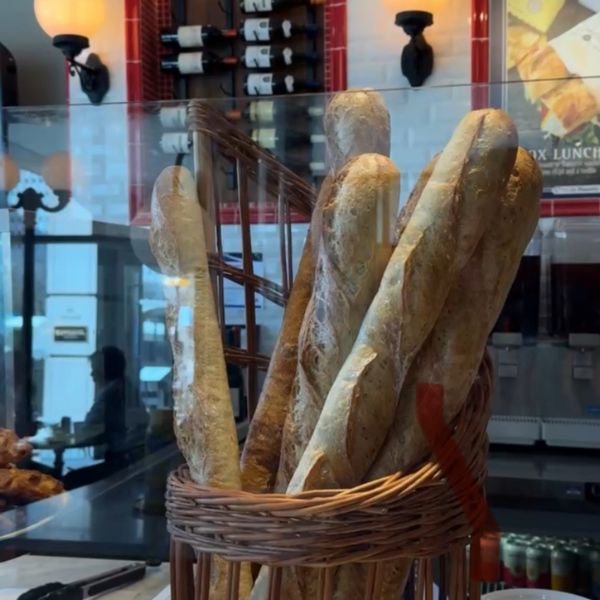
Sawada Coffee in Fulton Market: A Chicago and New York coffee shop.Owned by an award-winning latte artist. Industrial vibe,
The Wormhole Coffee in Wicker Park: Retro interior, house-made syrups, and what many locals call the best vanilla latte in the city. A reliable stop every time.
Metric Coffee: A Chicago-born roaster with a walk-up café attached to the roastery in Fulton Market. Direct-trade, single-origin, and serious about it.
Milli by Metric: Metric’s all-day café and bakery in a restored Avondale warehouse. Stunning space, great pastries, windows looking straight into the roastery.
Dark Matter Coffee: A Chicago-born roaster with a cult following and several locations around the city. Bold, distinctive coffee and style.
Café Jumping Bean in Pilsen: Latina-owned, brightly colored walls, molletes on the menu. One of those coffee shops that feels genuinely rooted in its neighborhood.
Chicago Bars and Live Music
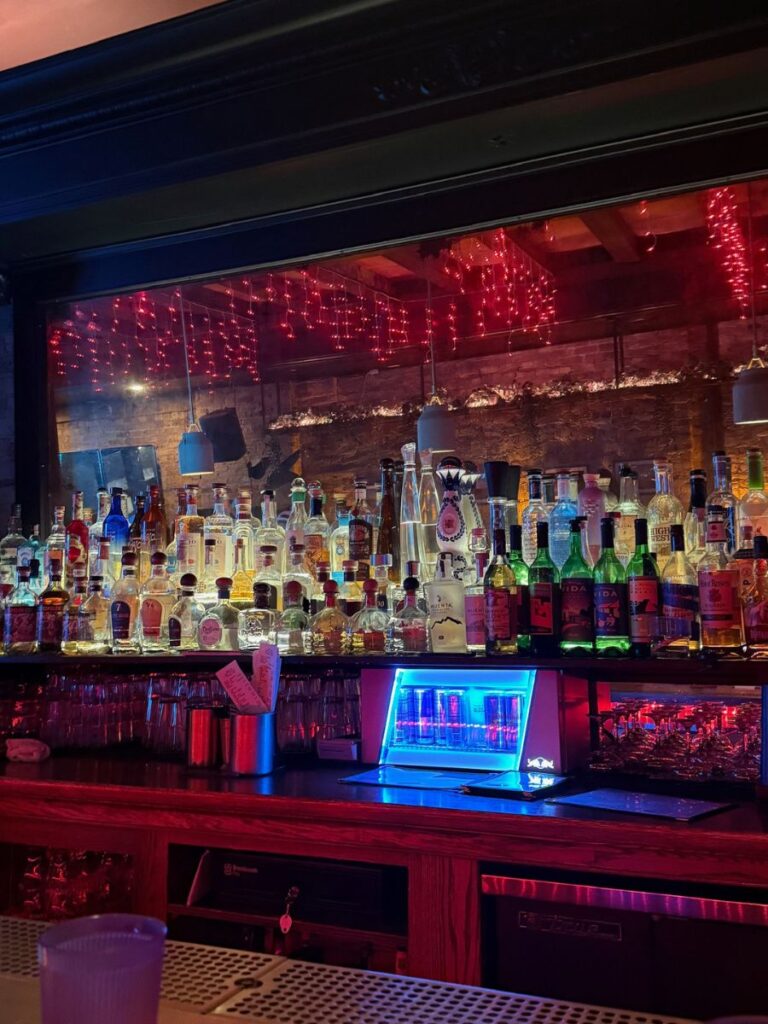
Green Mill Jazz Club: Al Capone’s old booth is still there. One of the oldest jazz clubs in the country and still one of the best in Chicago.
The Hideout: A dive bar that looks like someone’s house from the outside. Indie, punk, and country.
Hungry Brain in Roscoe Village: Intimate live music and spoken word, retro vibe, strong pours.
Second City: The legendary improv theater that launched Tina Fey, Bill Murray, Stephen Colbert, and too many others to list. Even if you’re not usually an improv person, go once.
Chicago Hidden Gems: Neighborhoods to Explore on Foot
Chicago’s neighborhoods are the whole point. Here’s where to go and what to look for when you get there.
Wicker Park and Bucktown
Start on Milwaukee Avenue and Damen Avenue: This is the strip for independent boutiques, record stores, and vintage shops and the best streets in the city for wandering without a plan.
Wicker Park and its gargoyle fountain: The actual park the neighborhood is named for. Small, tucked between residential streets, and easy to miss.
Greetings From Chicago mural: A popular photo stop on the way toward Logan Square. You’ll recognize it when you see it.
Kokorokoko Vintage: 80s and 90s streetwear and accessories. Colorful, fun, and well-curated for the era.
Store B Vintage: High-end curated pieces: designer labels, vintage kitchenware, and mid-century home decor. The owner was a women’s fashion buyer before opening the shop and it shows.
Vintage House Chicago: Designed to feel like browsing a friend’s living room, with a range of eras, sizes, and prices.
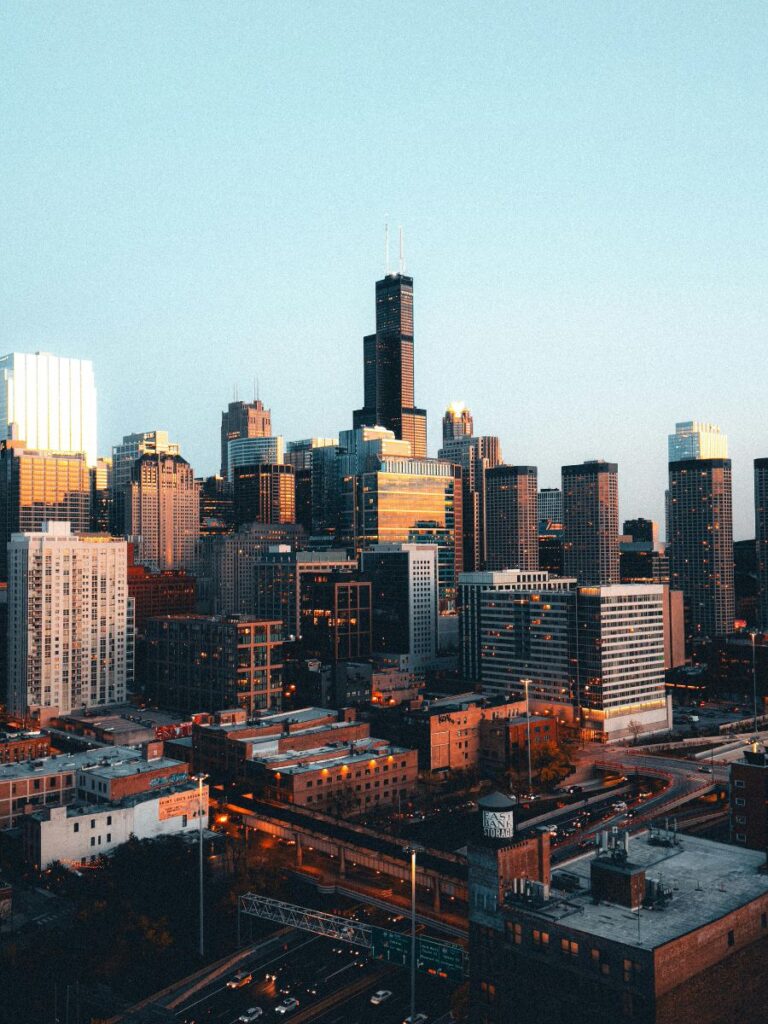
Logan Square
Milwaukee Avenue: The main drag through Logan Square. Walkable, lined with independent restaurants, bars, and shops.
Walk Logan Boulevard: Greystone mansions, dense tree canopy, and architecture dating to the late 1800s. One of the most beautiful streets in Chicago.
Palmer Square Park: Quieter than Logan Square.
Vintage Frills: Rooms organized by color, filled with 70s and 80s clothing and home decor. One of the more visually interesting vintage stores in the city.
Pilsen
18th Street: The neighborhood’s main street, with murals on nearly every building.
Knee Deep Vintage inside Thalia Hall: Affordable pieces from the 1940s through the 90s on the ground floor of one of Chicago’s best live music venues.
Andersonville
Clark Street: Nicknamed the shop local capital of Chicago for its density of independent businesses. Walk the full stretch of it.
Andersonville Galleria: A multi-level market full of local artisan apparel, art, and housewares. The kind of place you go in for twenty minutes and come out two hours later.
Rattleback Records: New and used vinyl plus vintage decor. A good one.
Nobody’s Darling: Award-winning craft cocktails in a neighborhood bar setting. One of the better bars in the city by any measure.
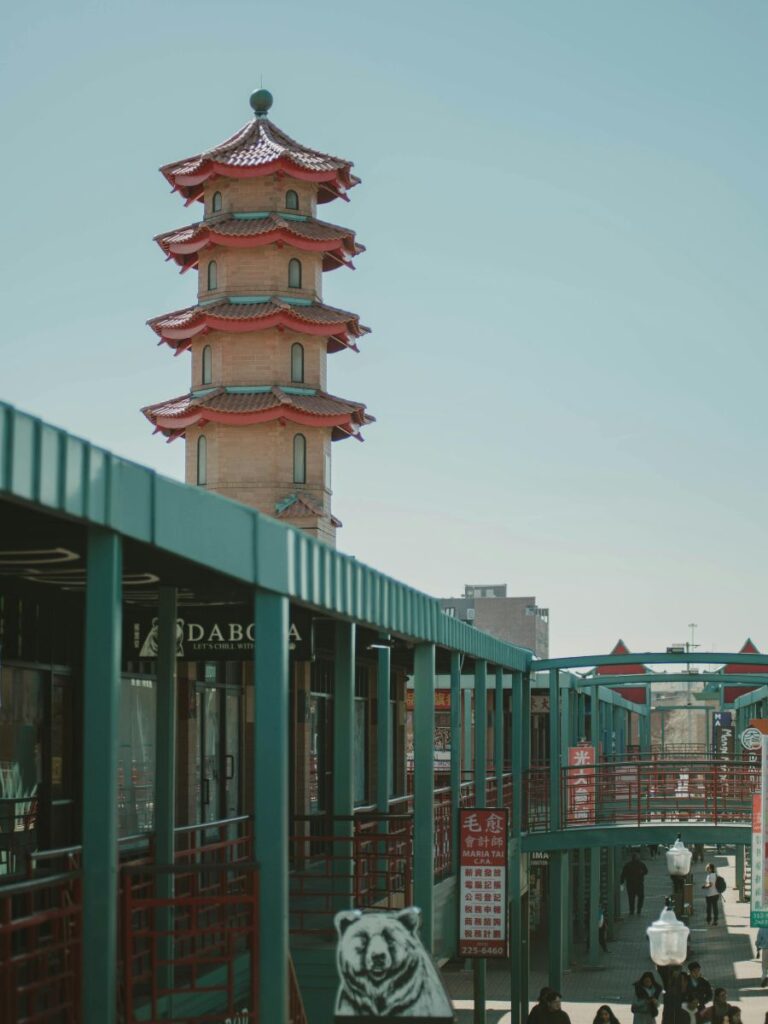
Chinatown
Wentworth Avenue at Cermak: A large ornate gate marks the entrance to the neighborhood’s main drag. Gift shops, bakeries, and Chinese grocery stores from there on out. Come hungry.
Qing Xiang Yuan Dumplings: The local favorite, consistently recommended by people who actually live nearby. Get the hand-pulled noodles if they’re available.