The Only Slow Travel Guide You Actually Need to Start
We didn’t start out believing we could be full-time travelers. We started out as two women from a small town feeling stuck, with next to $0 to do anything about it.
So we got creative. We found a way to travel within our budget — which again, was $0. And then we kept going. And somewhere along the way, slow travel stopped being a workaround and became the actual thing we were seeking.
This guide is everything we know about slow travel. The mindset, the logistics, the packing list, the routines.
Think of this as the ultimate guide to start traveling now, on any budget.
There are sooo many of posts linked throughout, so save this guide and come back whenever you need to reference something.
What Is Slow Travel, and Why Does It Cost Less?
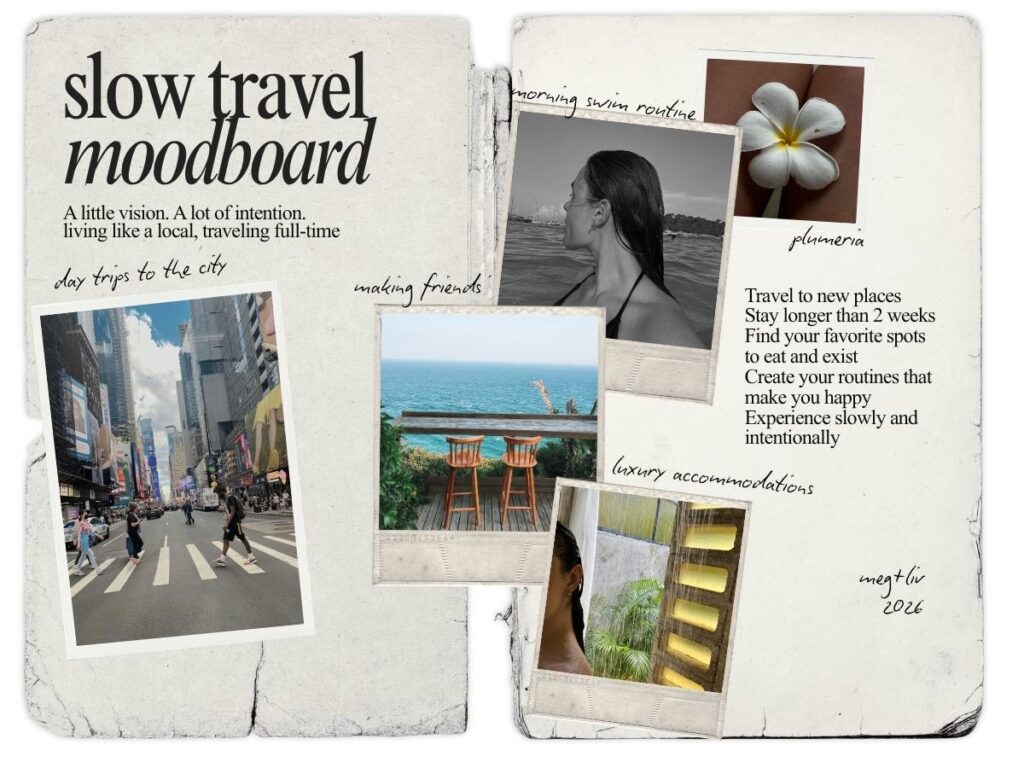
Slow travel isn’t a personality trait or an aesthetic, it’s simply an intentional perspective on time and place.
Think of it this way: there’s vacation travel (Airbnbs, hotels, packed itineraries), there’s backpacking (hostels, city-hopping, moving fast), and then there’s slow travel — staying a real house or apartment, settling into a neighborhood, and actually living somewhere for a week, a month, or longer.
Instead of cramming 15 things into 3 days, you pick one place and let yourself exist there. You find your coffee shop. You shop at the local market. You learn which bus to take.
And here’s what surprises most people: slow travel is usually cheaper than a traditional week-long vacation.
When you stay long enough to live like a local, things shift. You cook at home instead of eating out three times a day. You take public transit instead of ride shares or renting a car. You skip the overpriced, overcrowded attractions because you’ve found better ways to experience a destination.
The short version: flexibility is your biggest budget asset. The longer you stay somewhere, the less it costs per day — and the more it actually feels like real life and not a short term escape.
New to the concept of slow travel? Read more ↓
How We Actually Pay $0 for Accommodations
Accommodation is almost always the biggest expense in a travel budget. So when we figured out how to eliminate it entirely [without sacrificing comfort] everything changed.
We use two platforms to make this happen.
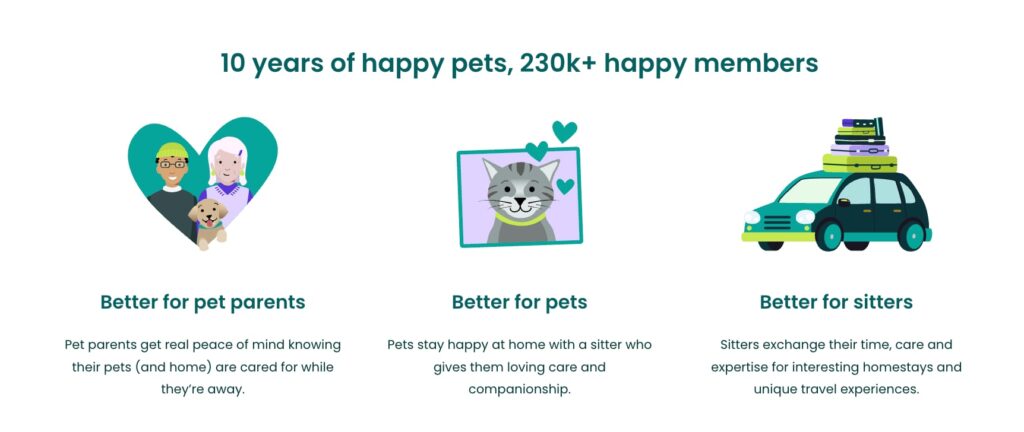
The concept is simple: homeowners need someone to care for their pets while they travel. You stay in their home for free. No money changes hands, just a genuine trade built on mutual trust.
We’ve stayed in fully furnished homes, with a kitchen, a couch, and usually a very happy cat or dog, for weeks at a time. Zero dollars in lodging costs.
Workaway is a work-exchange platform where you contribute a few hours of help per week in exchange for free accommodations and often times free meals. And the range of opportunities is actually wild.
We’re talking sea turtle conservation in Costa Rica. Olive harvesting in Mallorca. A private room and meals at a small eco-lodge in exchange for five hours of work three days a week.
We’re pretty selective about what we apply for. Our sweet spot is small eco-lodges or boutique properties that need help with social media, photography, or website work. Skills we already have, in places we actually want to be. Private room, walkable to the beach, enough nearby to explore. That’s our niche.
But yours could look completely different. Workaway works because the range is so vast that almost anyone can find something that fits their skills and the kind of place they want to be.
Between these two platforms, we’ve eliminated what would otherwise be our single biggest travel expense and replaced it with experiences that honestly just feel like living.
Read more about our free accommodation strategy ↓
Before You Go: Planning Without Overwhelm
It’s easy to feel overwhelming to plan a trip to somewhere you’ve never been before.
Here’s how we approach it.
Start with defining how you want to feel , not where you want to go.
And then do some loose planning to make sure the location matches the vibe, and then search for flights.
How to Decide Where to Travel Next helps with exactly this.
Then figure out the bones. If you’re newer to travel, How to Plan a Trip for Beginners walks through the whole process without being overwhelming. For international trips specifically, How to Plan an International Trip (Budget & Slow Travel) goes deeper.
Then get it organized. We made a simple planning template we actually use ourselves — Free Travel Planning Template: How To Plan Any Trip Step by Step.
One thing worth saying: slow travel does not require a packed itinerary. In fact, the whole point is to leave room for things to unfold naturally. Plan enough to feel grounded, get a feel of the geography and neighborhoods before you go, have some bucket list activities. Leave the rest open.
Personal Packing Guide for Slow Travel
Our packing philosophy: carry-on only, always. It’s faster, it’s usually free, and it keeps you from being weighed down by your stuff.
A few posts that lay out exactly how we pack:
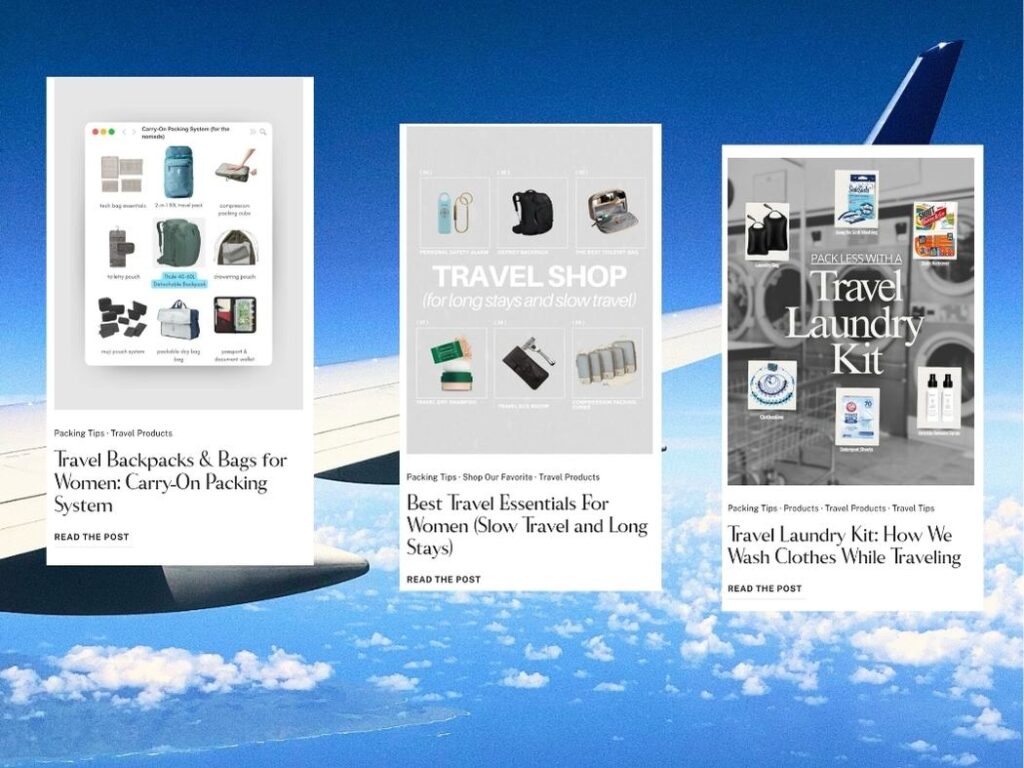
- Best Travel Essentials For Women (Slow Travel and Long Stays)— our full gear list
- Travel Backpacks & Bags for Women: Carry-On Packing System — the bags we reccomend
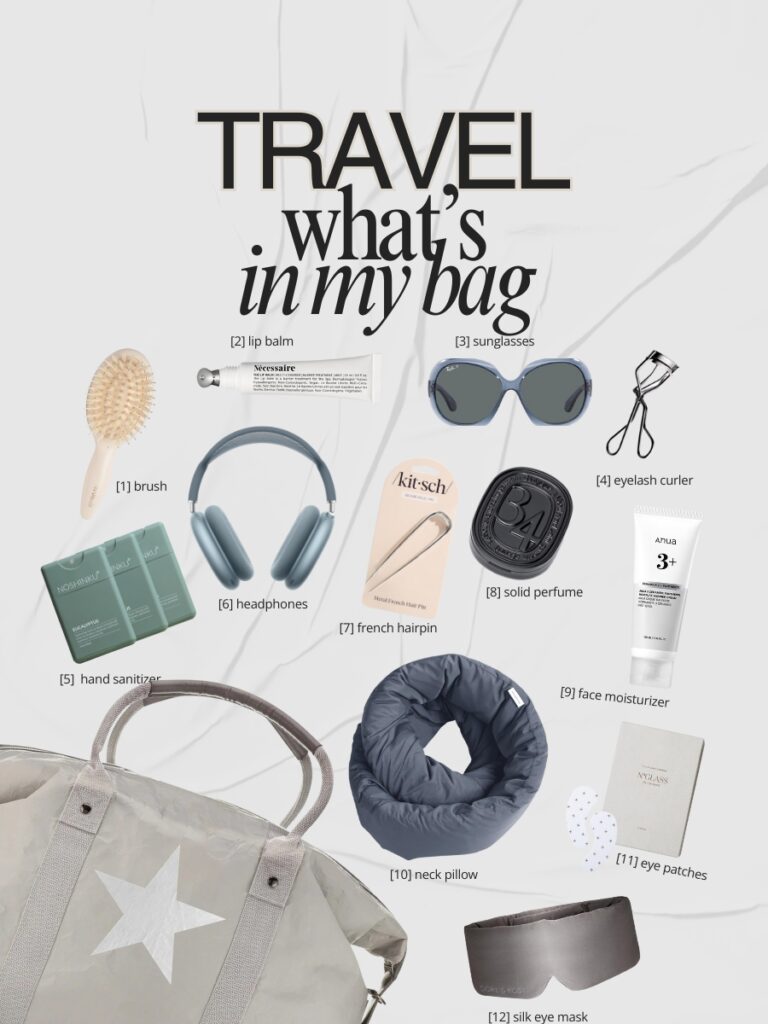
- What’s In My Travel Bag: Personal Item Packing List For Flying — the personal item breakdown
- The Ultimate Packing Guide: How To Pack A Suitcase — if you are checking a bag
- Travel Laundry Kit: How We Wash Clothes While Traveling — the real secret to packing light
Staying Healthy and Grounded While Traveling
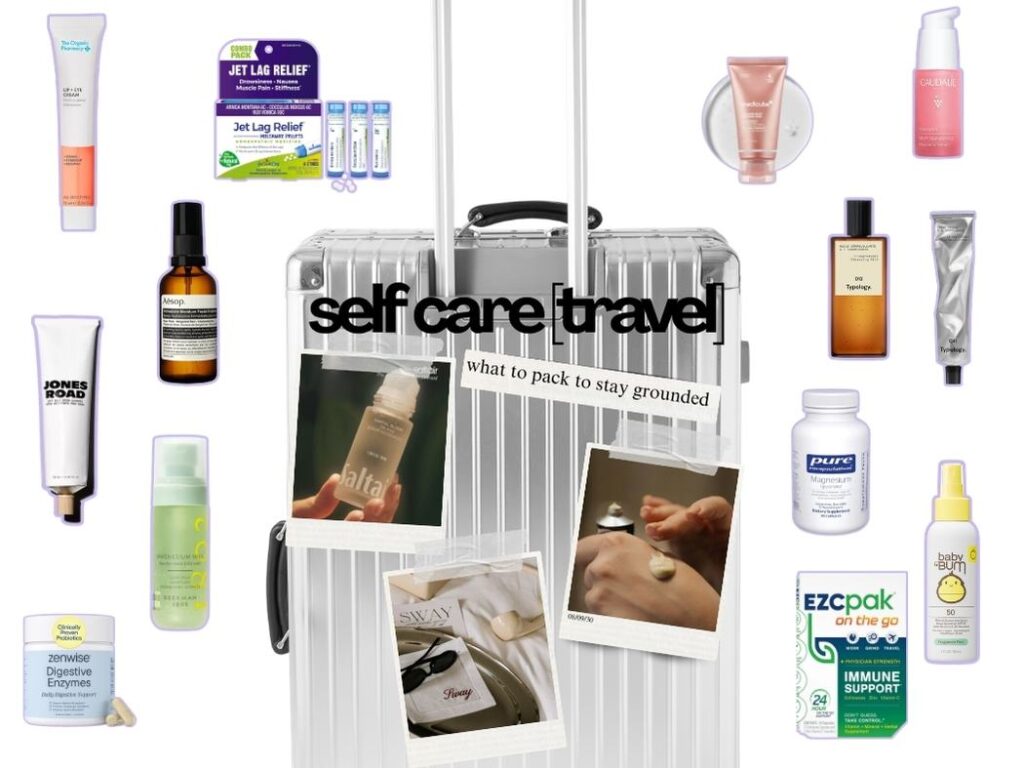
This part matters more than you may expect. When you’re slow traveling and living somewhere for a few weeks, you don’t get the adrenaline of constant novelty to carry you through. You need actual routines.
We travel with the same skincare every time — a short stack of products that take up almost no space and actually work. The Perfect Skincare Routine That Travels With You has everything we use.
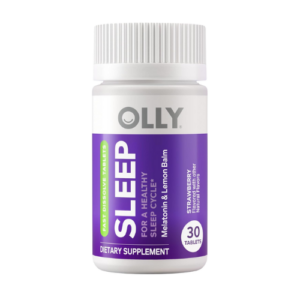
On the supplement side, we’re intentional about immune and gut support especially in transit — Best Travel Supplements is the honest breakdown of what’s worth bringing and what isn’t.
And for the nervous system side of things — because travel can be genuinely dysregulating even when it’s good How To Stay Calm While Traveling: A Nervous System Routine That Works is one of our most-read posts for a reason.
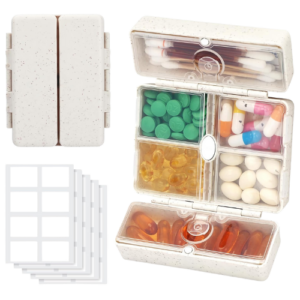
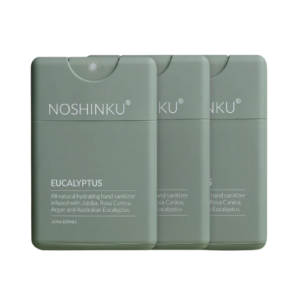
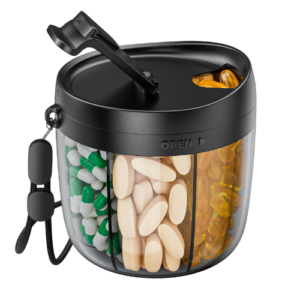
Shop Our Travel Wellness Picks






Road Tripping as Slow Travel
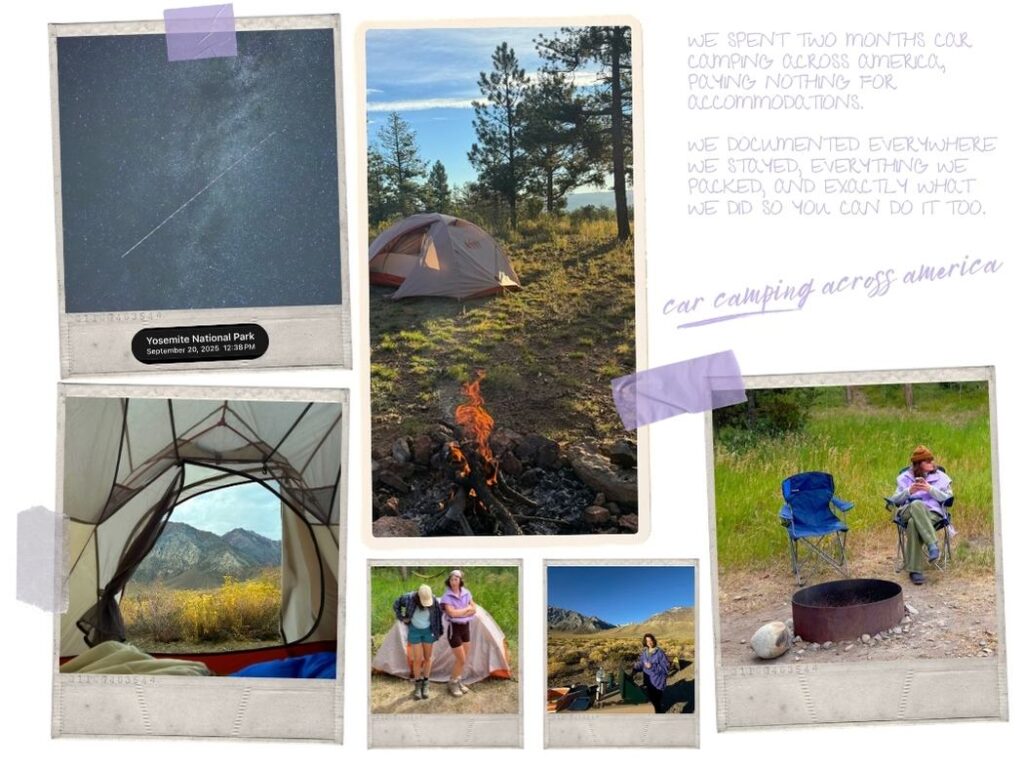
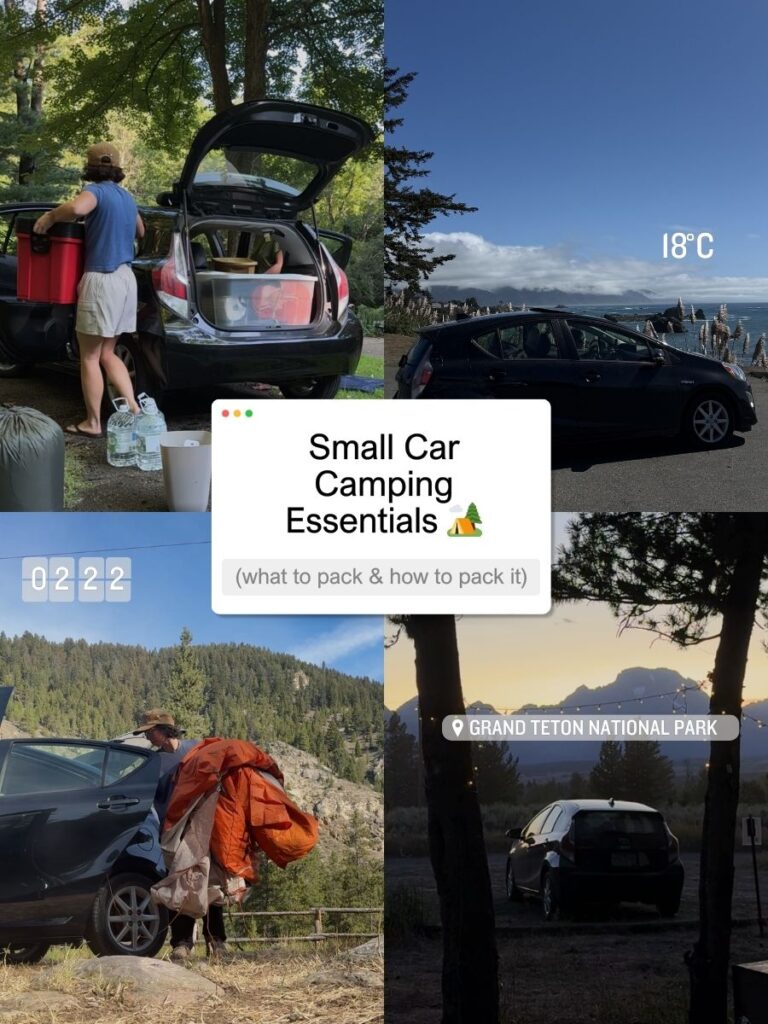
If you have access to a car, road tripping is honestly one of the most underrated forms of slow travel. You move at your own pace, you’re not locked into flights or fixed dates, and you can stay somewhere for as long as it feels right before moving on.
We spent a big chunk of our full-time travel years doing exactly this, working our way through national parks, small towns, and stretches of road that don’t show up on any “best of” list. It’s cheap, it’s flexible, and it hits different when you’re not rushing.
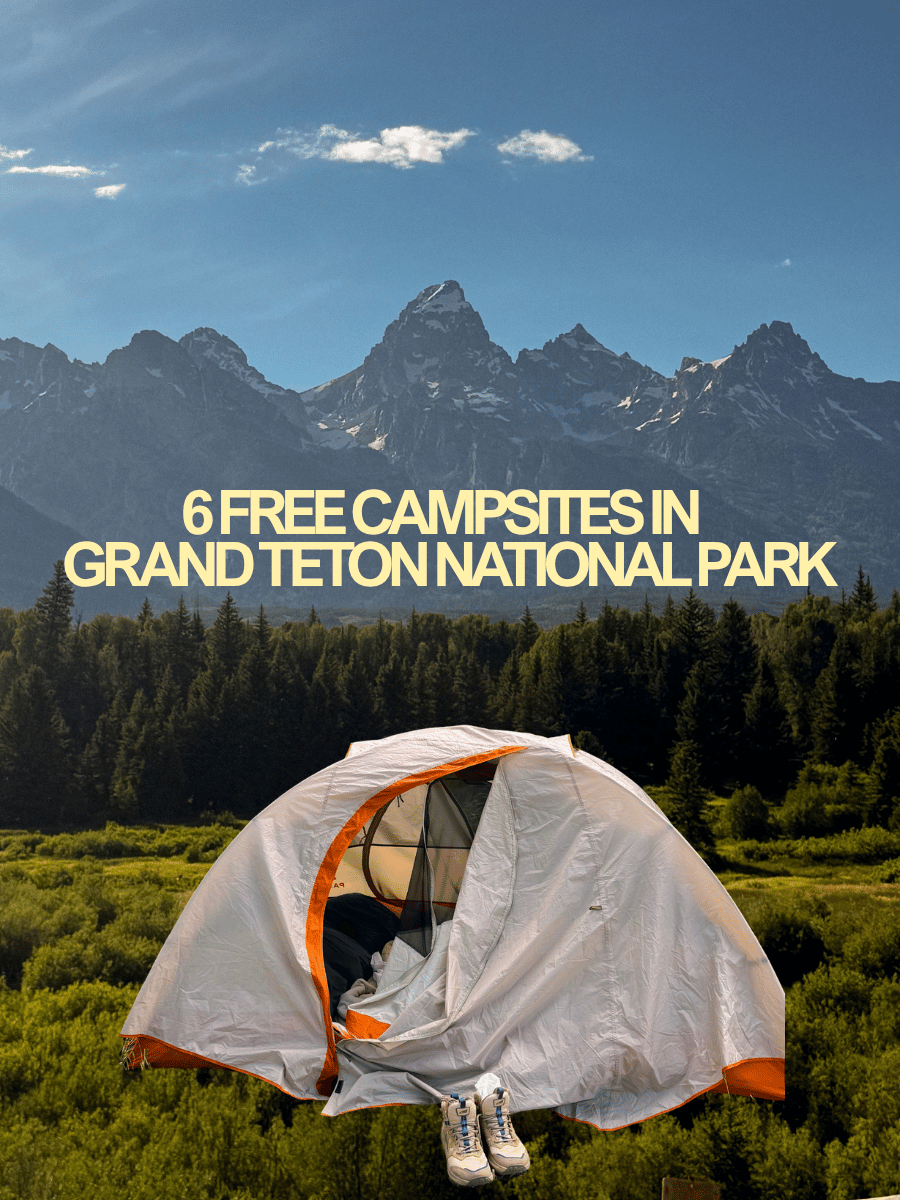
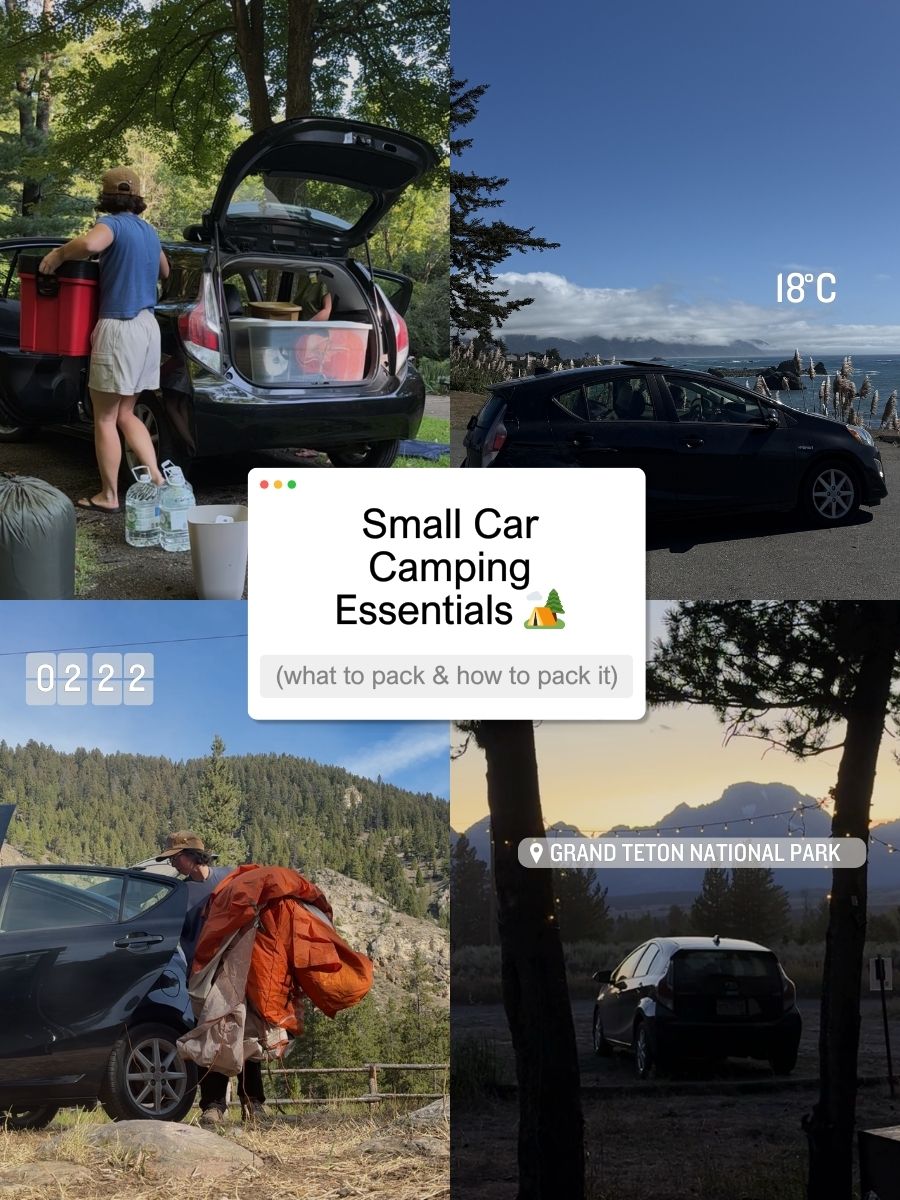
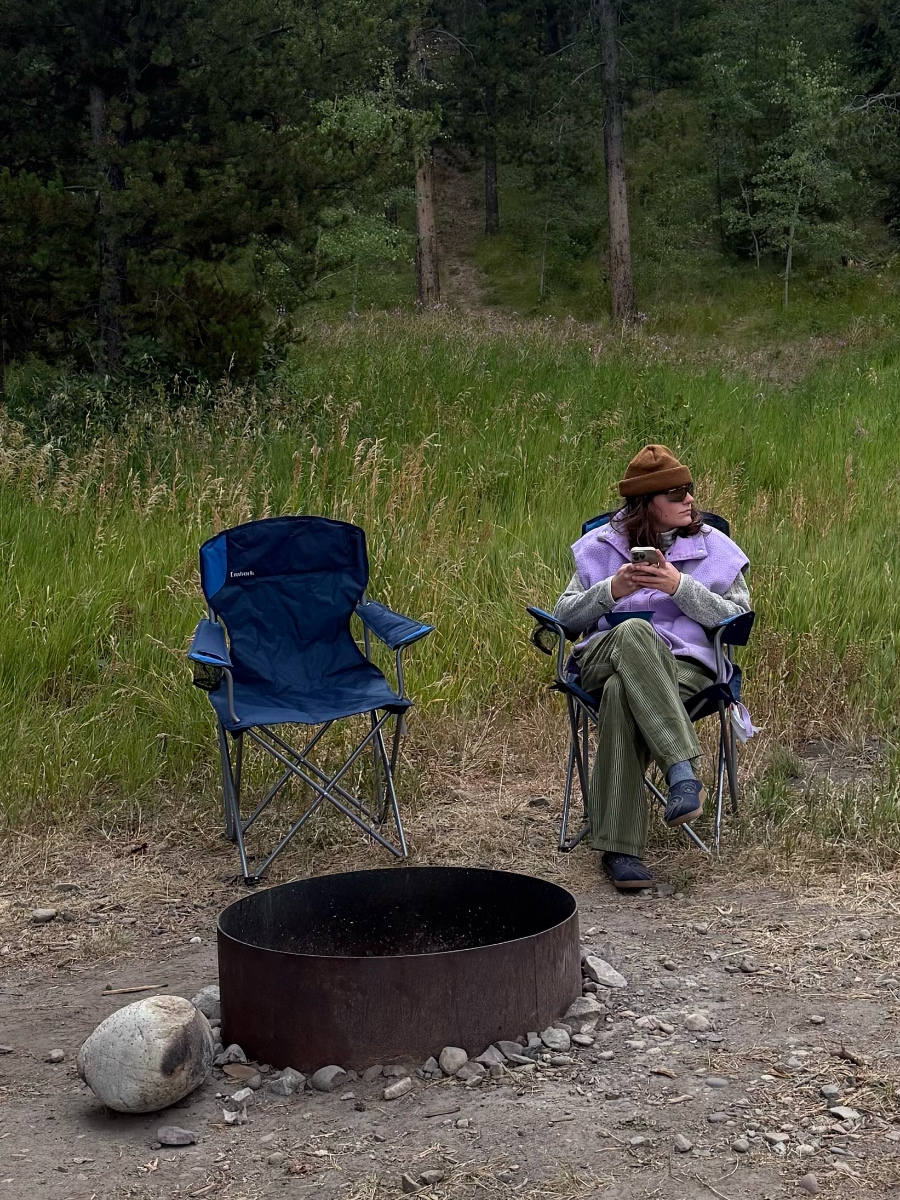
If this sounds like your version of slow travel, these are good places to start ↓
On the Ground: Getting Around Without Spending a Lot
Transportation once you arrive is one of those travel expenses that sneaks up on you. It’s hard to know how long it takes to get around a city you’ve never been to, or how much it’s actually going to cost, until you’re already there and figuring it out on the fly.
If public transit is accessible where you’re going, learn how to use it before you land. Most cities have a dedicated transit app where you can load a digital card straight to your phone’s wallet. Google and Apple Maps are usually good enough to navigate transfers once you’re on the ground. And we always look up a YouTube tutorial beforehand, because there’s a big difference between reading about how a metro system works and actually watching someone do it in real time. It gives you a real sense of what to expect.
Two locations we’ve covered for Public Transit ↓
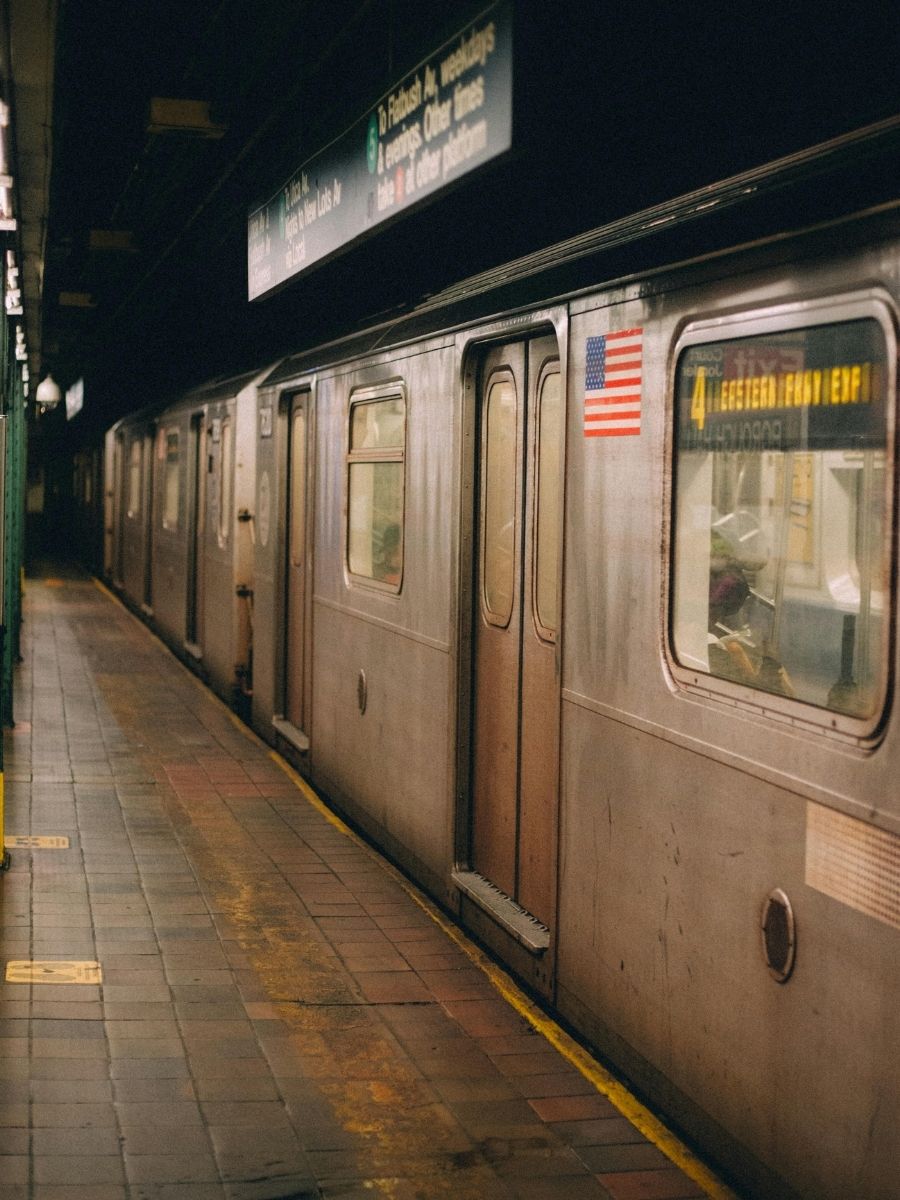
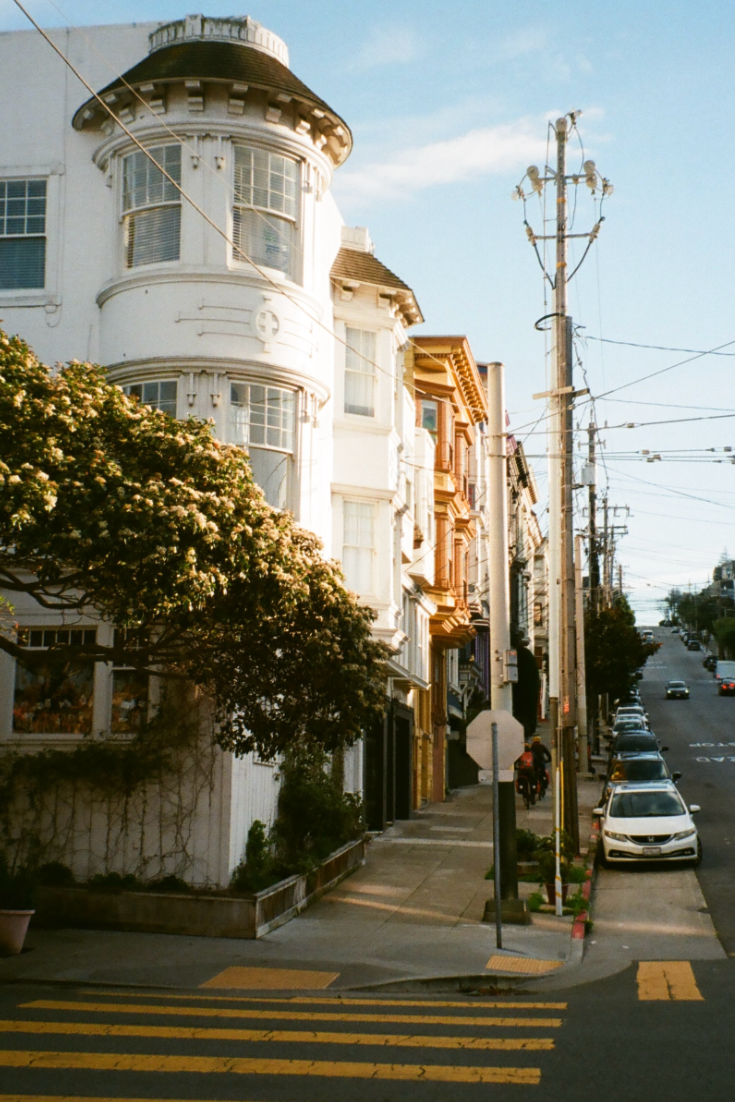
Places We’ve Slowed Down In
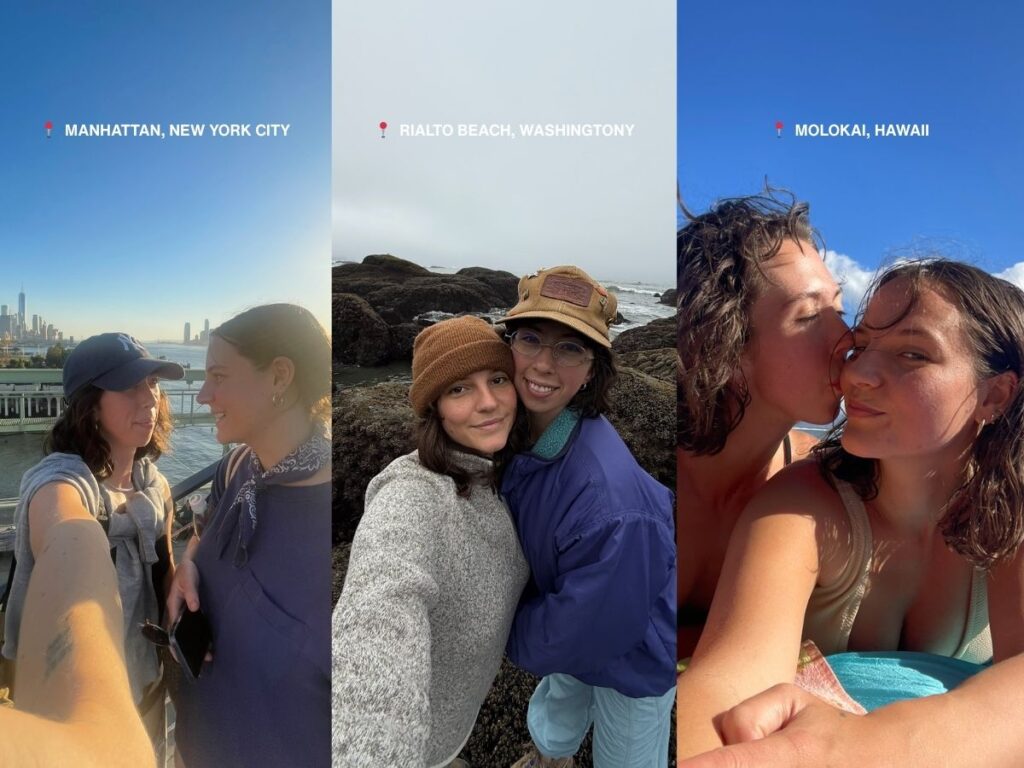
Part of this blog is documenting where we’ve actually been, what it’s like to slow travel somewhere, what’s free, where to eat, and how it actually felt to be there.
San Francisco is where we really figured out how to do this.
[All our San Francisco posts]
Seattle is one of our favorites. The neighborhoods, the coffee, the water, the fact that so much of it is free.
[All our Seattle posts]
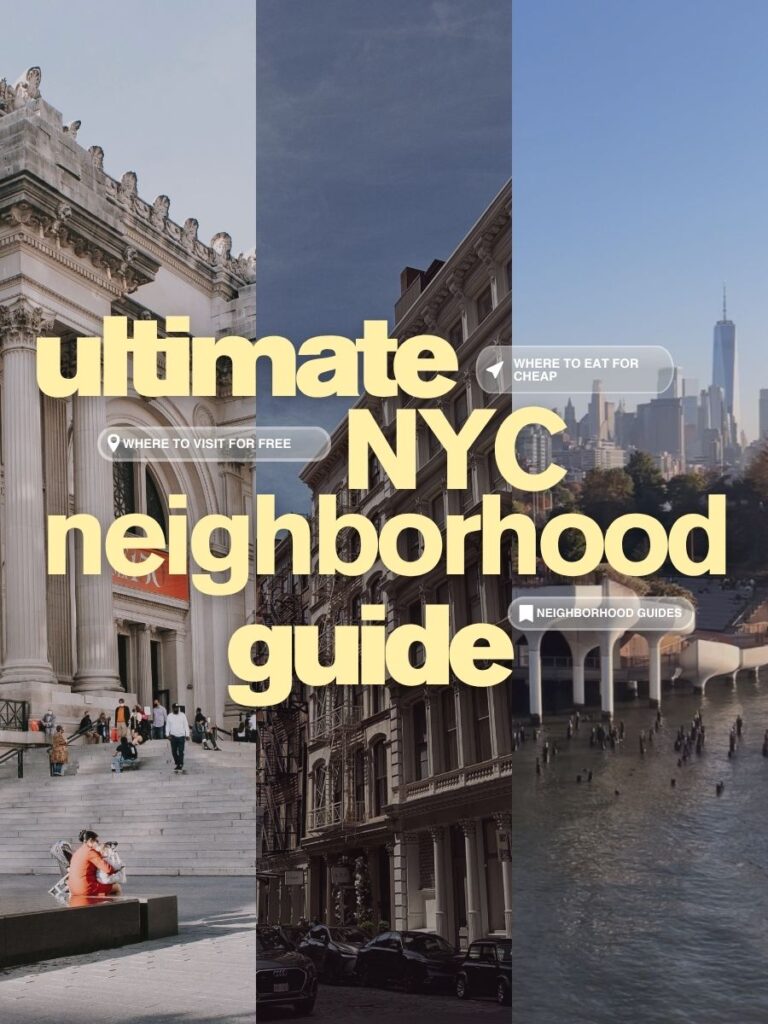
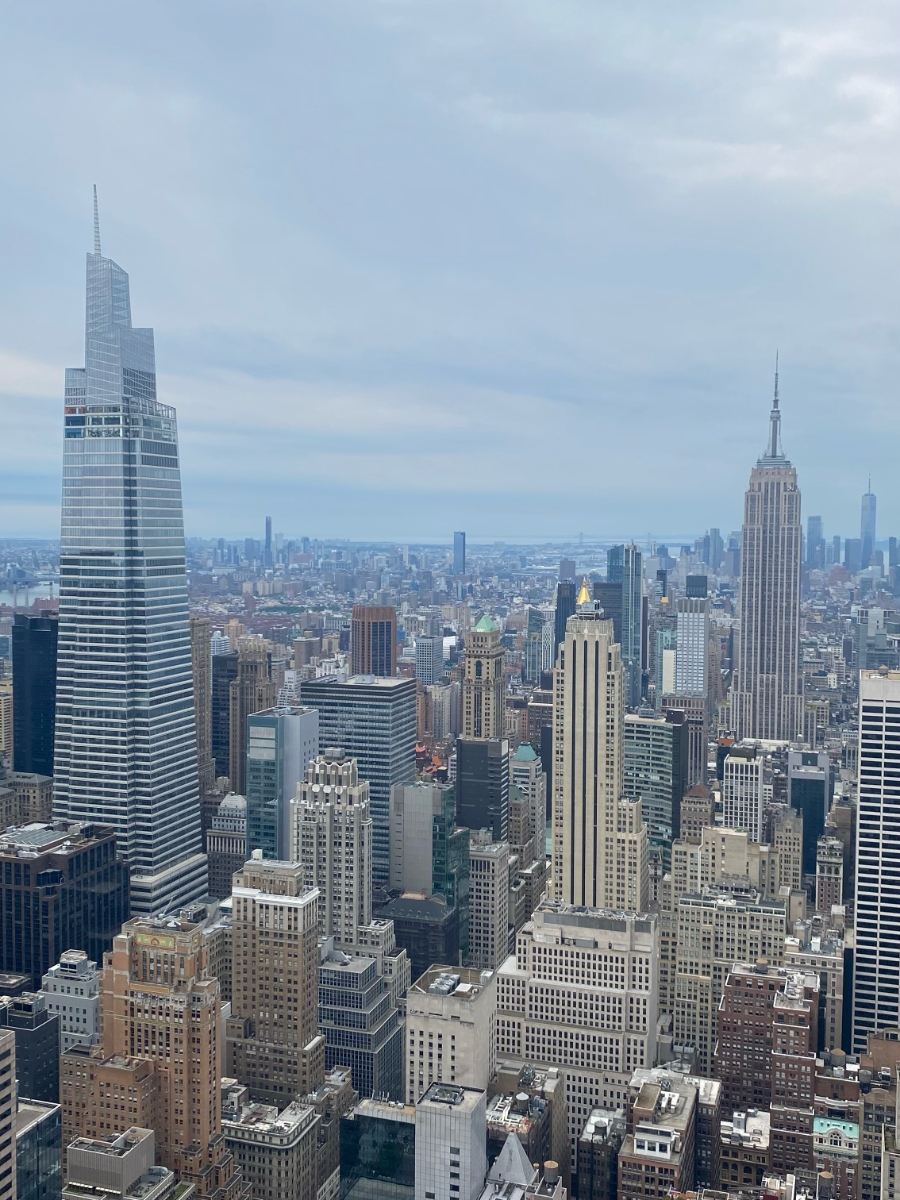
New York City has a reputation for being expensive, and it can be, but it’s also one of the best cities in the world to slow travel on a budget.
[All our NYC posts]
Asheville, NC is one of the best mountain towns we’ve been to. The people, the thrifting, the live music everywhere you turn.
[All our Asheville posts]
And if you’re more of a national parks and camping person
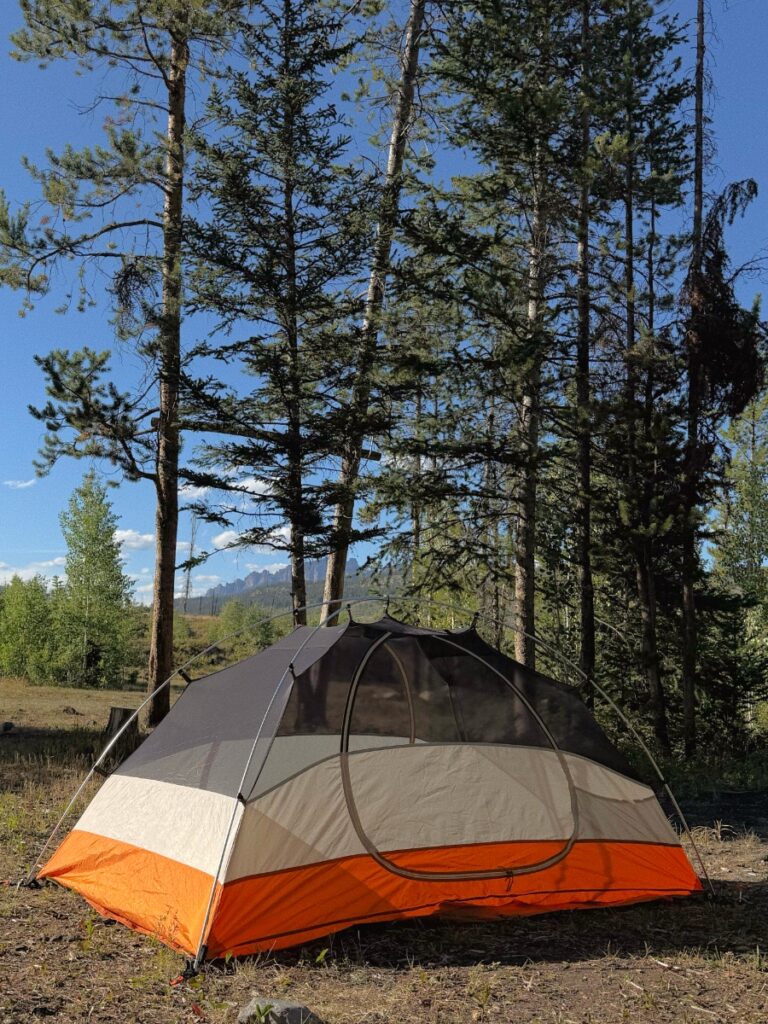
[All our camping and national parks posts]
We’re Megan and Olivia. Welcome. We’re glad you’re here!
You don’t need to be rich. You don’t need to be retired. You just need to be a little willing to do it differently than you’ve been told.
We’re two people who figured this out as we went, and this blog is us sharing everything we wish we’d known sooner. Stick around <3