How Longer Stays Save Money When Traveling
Most people assume that staying longer automatically costs more. More nights, more food, more expenses. On paper, that makes sense. But in reality when a trip is short, flights, accommodations, food, and transportation all hit at once, which makes the whole experience feel more expensive.
Flights are booked on fixed dates. Nightly rates are higher. Every meal is eaten out. Transportation adds up quickly. There’s pressure to do and see as much as possible because time feels limited.
Longer stays change the cost structure of travel. Instead of compressing spending into a few intense days, longer stays spread costs out and remove urgency. Travel starts to look more like everyday life, and everyday life is usually less expensive than vacation mode.
Why Short Trips Often Cost More
Plain and simple, short trips cost more per day.
Flights are usually booked with less flexibility. Accommodations are priced per night instead of discounted weekly or monthly rates. Transportation relies more heavily on taxis or rideshares because there’s no time to settle in.
Food becomes a constant expense. Eating out for every meal feels justified because it’s a short trip. Activities and attractions are stacked into each day because you don’t want to miss anything.
None of this is wrong! It just makes short trips more expensive.
How Longer Stays Change the Travel Costs
Longer stays don’t make travel ‘cheap’, but often make it more affordable.
When you stay in one place longer:
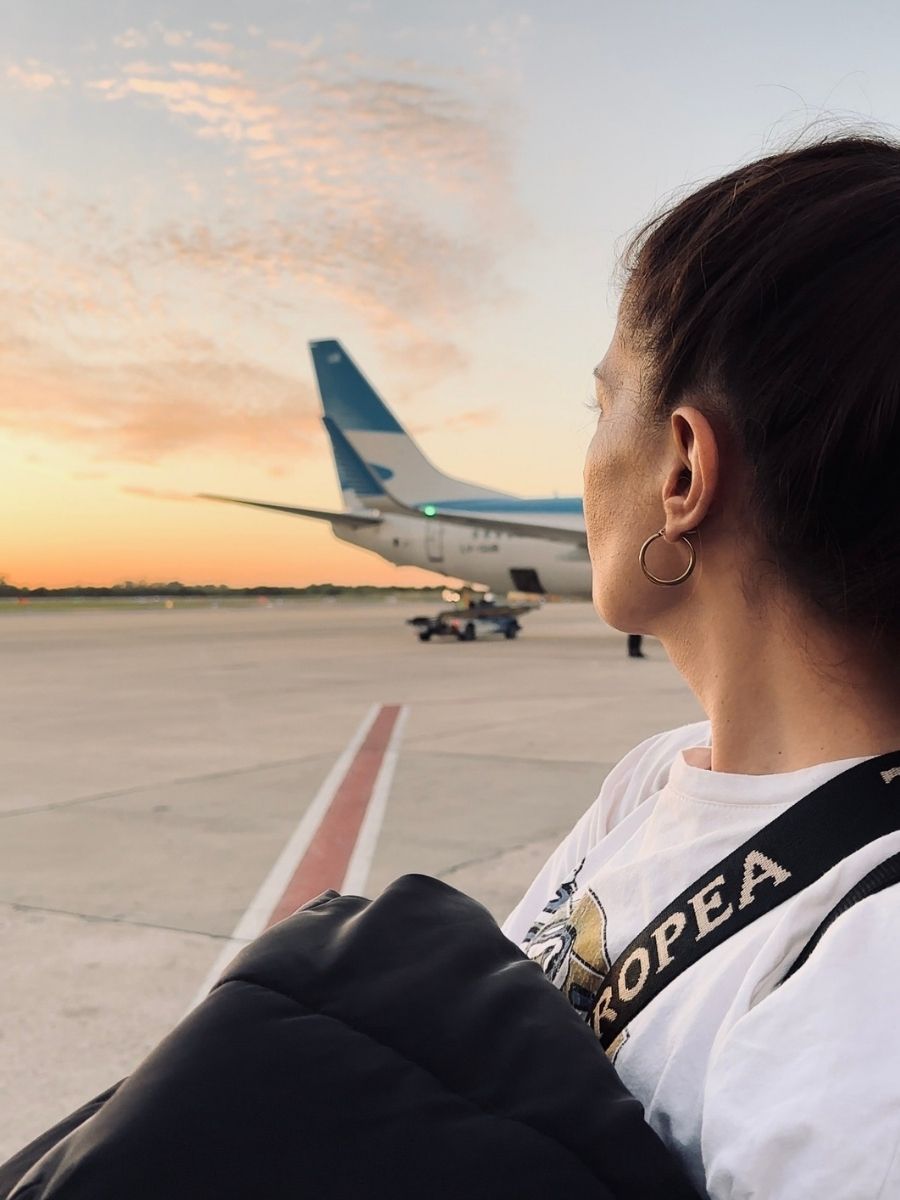
- you book fewer flights overall
- nightly accommodation costs are often lower
- transportation becomes minimal and predictable
- food spending shifts from restaurants to groceries
- purchases become intentional instead of reactive
Accommodation Costs Drop With Longer Stays
Housing is usually the biggest travel expense, and this is where longer stays make the largest difference.
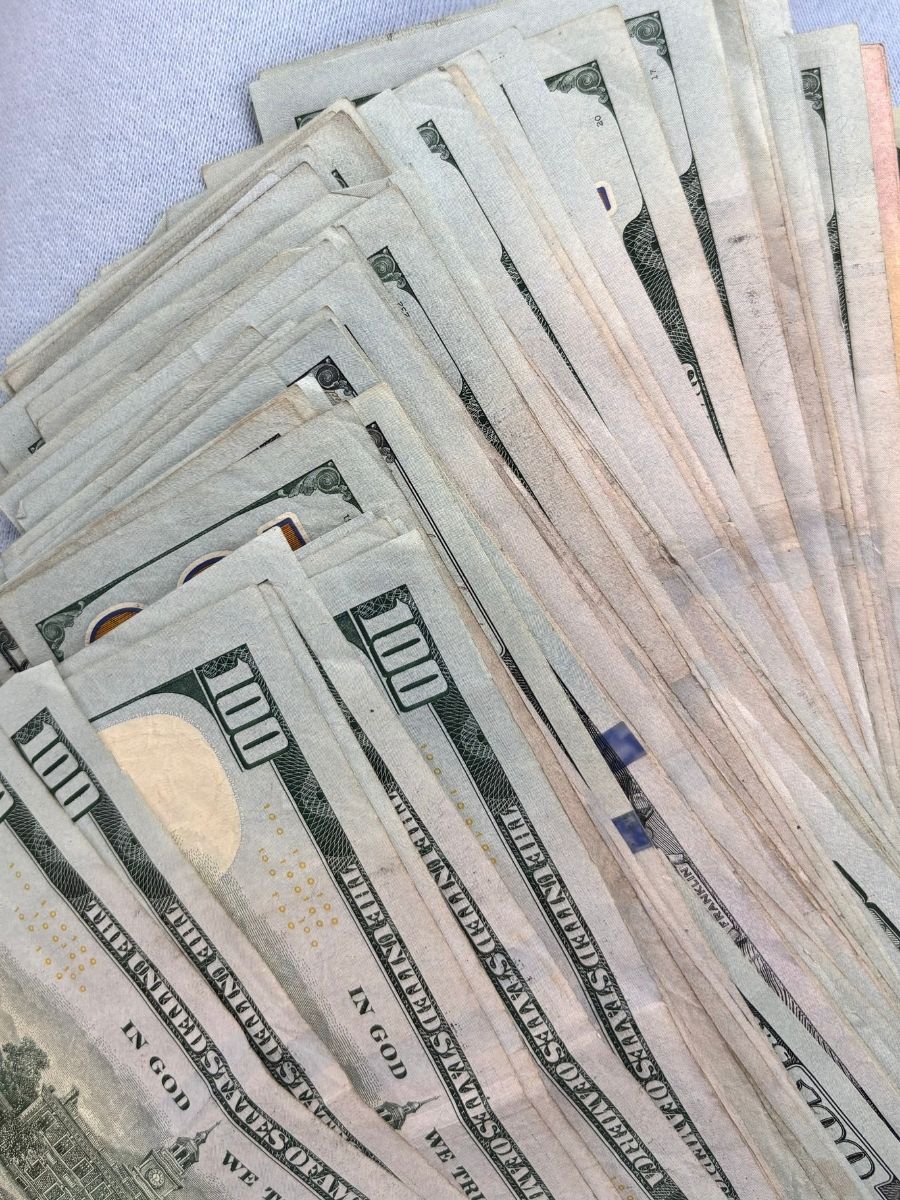
Many short-term rentals offer significant discounts for weekly or monthly stays. Using Airbnb’s monthly-stay filter alone can lower nightly rates considerably. When you stay longer, you’re not limited to nightly rates or short-term pricing.
There are also longer-term housing options that make extended travel more accessible:
- TrustedHousesitters: Stay in homes around the world in exchange for caring for pets or property. Ideal for longer, rent-free stays in residential neighborhoods. Browse their house sitting options all over the world.
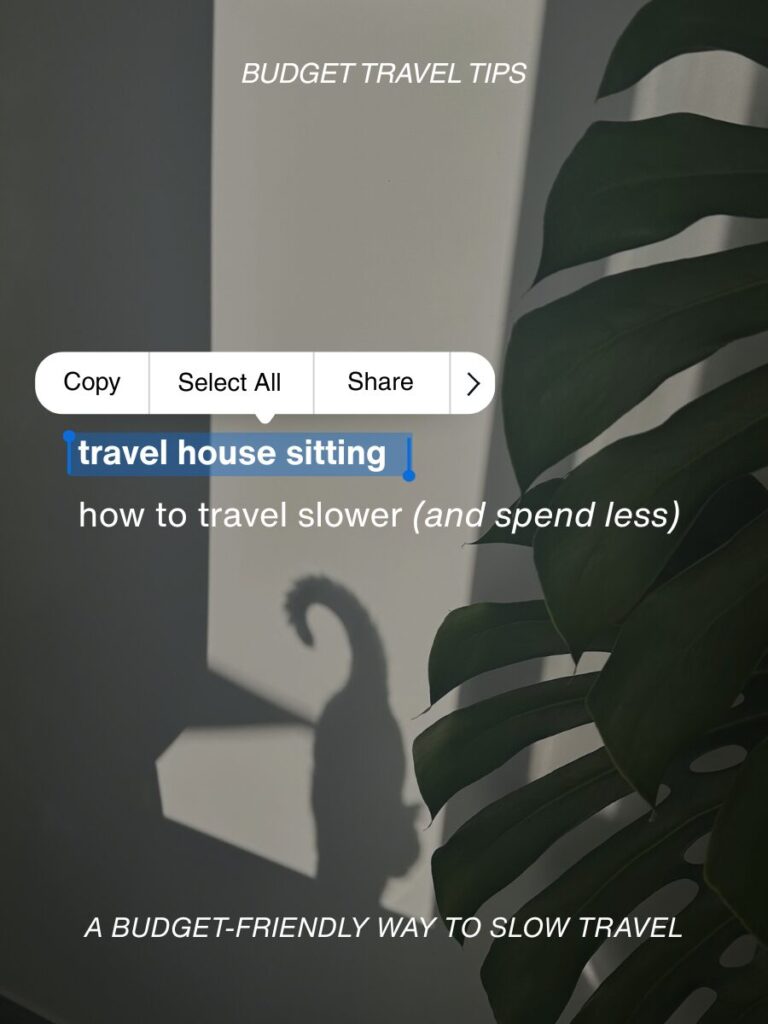
Read our post: Travel House Sitting 101: The Best Budget-Friendly Way to Slow Travel - WWOOF (World Wide Opportunities on Organic Farms): Connects travelers with organic farms around the world for cultural exchange and shared daily life. WWOOF (farm‑based work exchange)
- Workaway: Offers a wide variety of work exchange experiences worldwide, including homestays and volunteering in exchange for lodging.
- Hostels, many of which offer weekly or monthly rates, including private rooms
- Hostelworld: The largest hostel booking site. Use filters to search for private rooms, longer stays, and quieter properties.
- Airbnb Monthly Stays: Search long-term and discounted stays (monthly/weekly pricing) on Airbnb. Long‑term Airbnb stays for extended travel
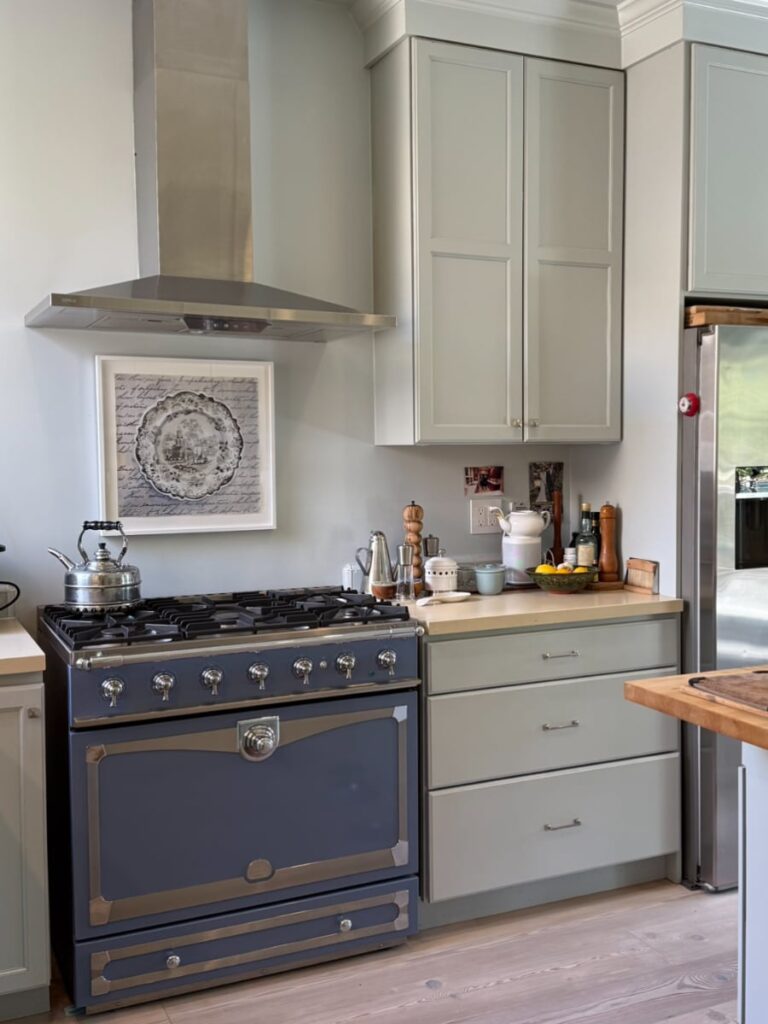
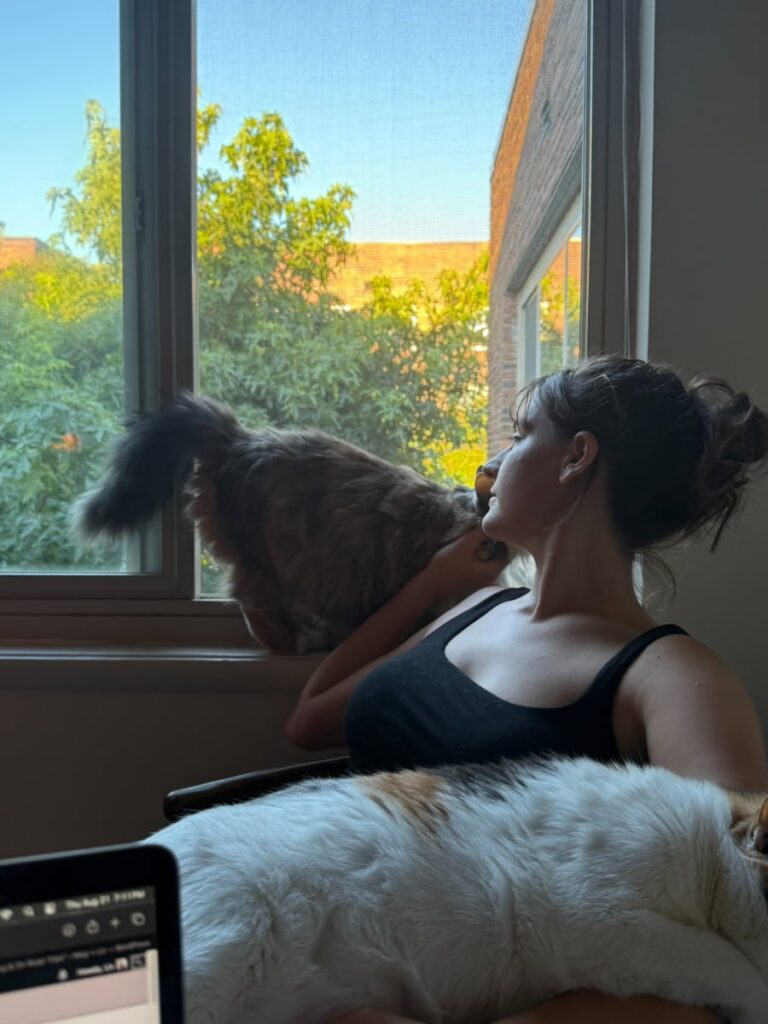
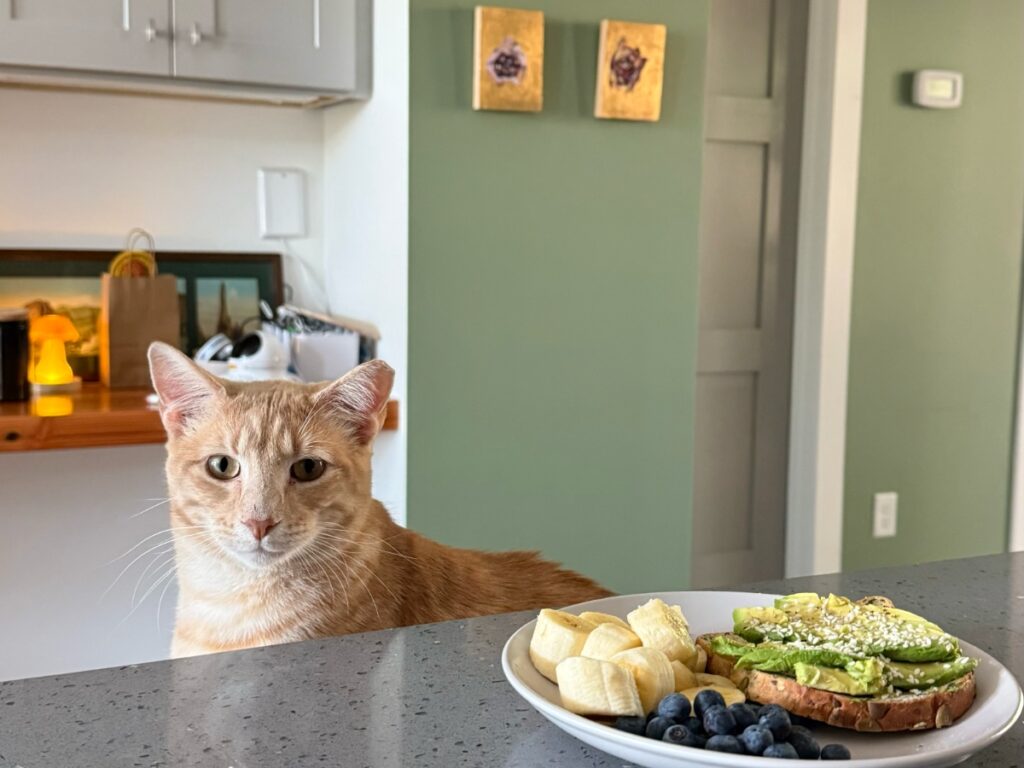
Our Life as Trustedhousesitters:

Visa Warning:
Visa rules vary by country, so it’s always important to check entry requirements before planning a longer stay. Many destinations allow weeks or months on a standard tourist visa, making slower travel possible without special permits.
Food Costs Even Out Over Time
On short trips, food is often one of the biggest daily expenses. Eating out constantly is part of the experience. But now, you get to create a routine at your favorite places to get groceries or you find the best fresh produce stand AND go out to any restaurant at your fingertips when you want a night out in the city of your choice.

Longer stays naturally shift food habits. Grocery shopping becomes routine. You’re okay with simple meals. Eating out becomes occasional instead of constant.
Transportation Becomes Simpler and Cheaper
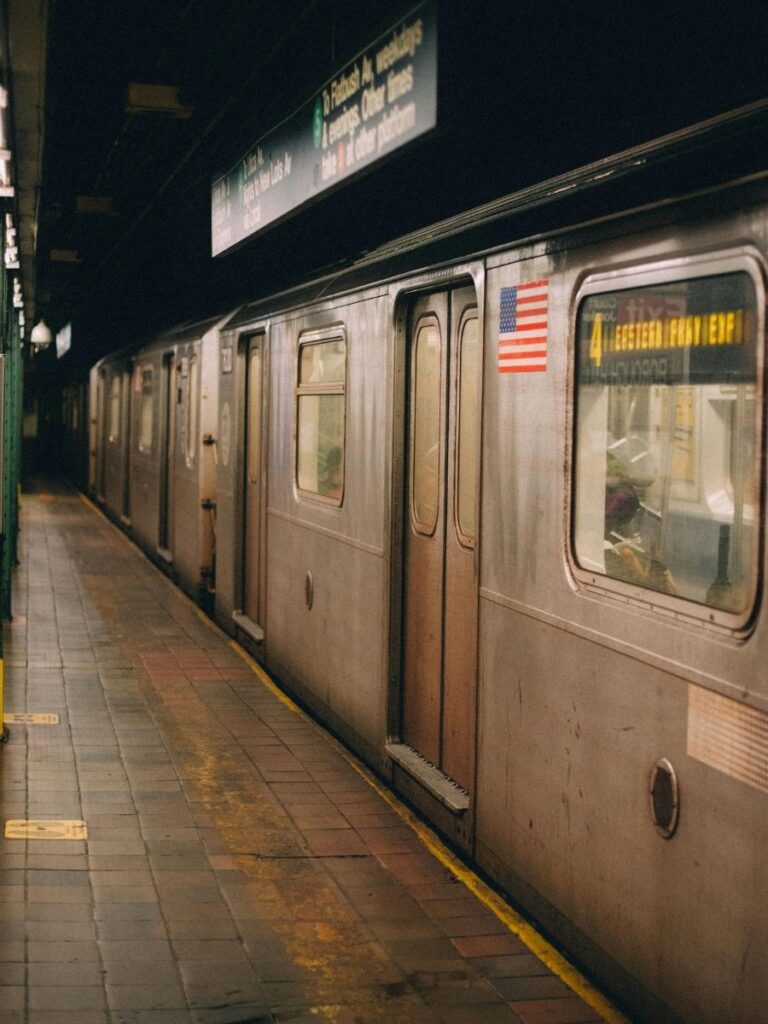
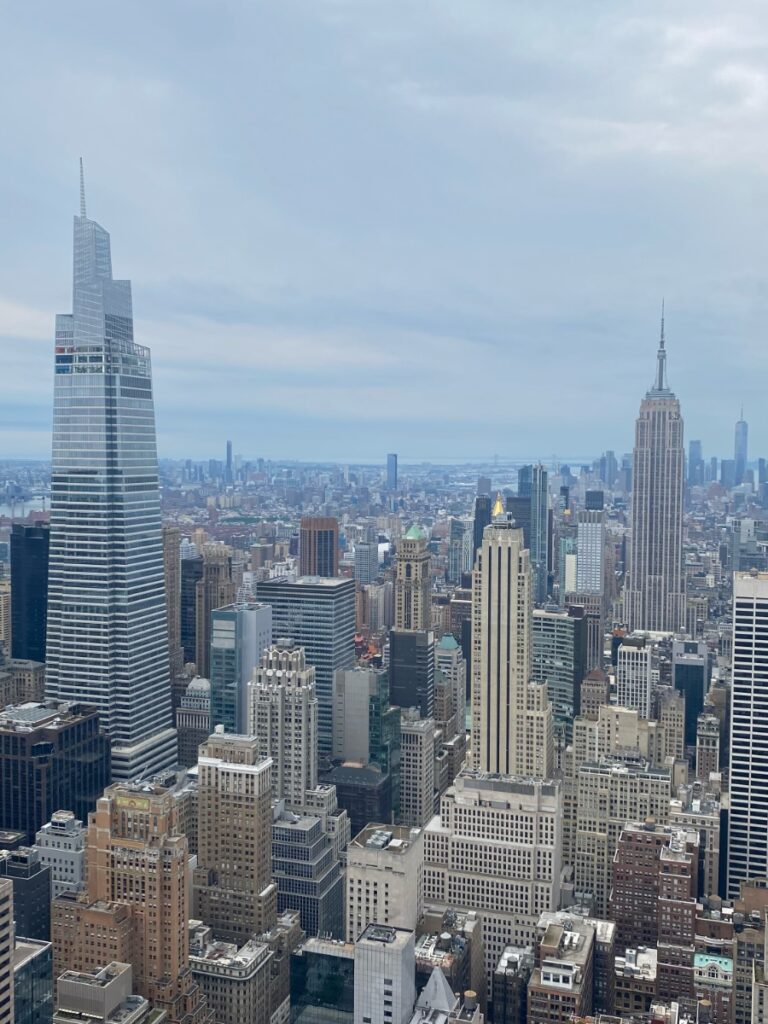
Traveling around your location is one of the most expensive parts of travel itself. We’ve stayed in Manhattan, Seattle, San Francisco, and Honolulu all without renting a car and relying on public transit only.
Short trips usually involve frequent taxis, rideshares, and intercity transportation. Longer stays allow you to walk more, learn public transit once, and stay in one place.
When you’re not constantly moving, transportation costs drop significantly. You get to learn your way around the neighborhood you’re staying in. It becomes easier to navigate the public transportation and now you ride even cheaper with your monthly unlimited pass.
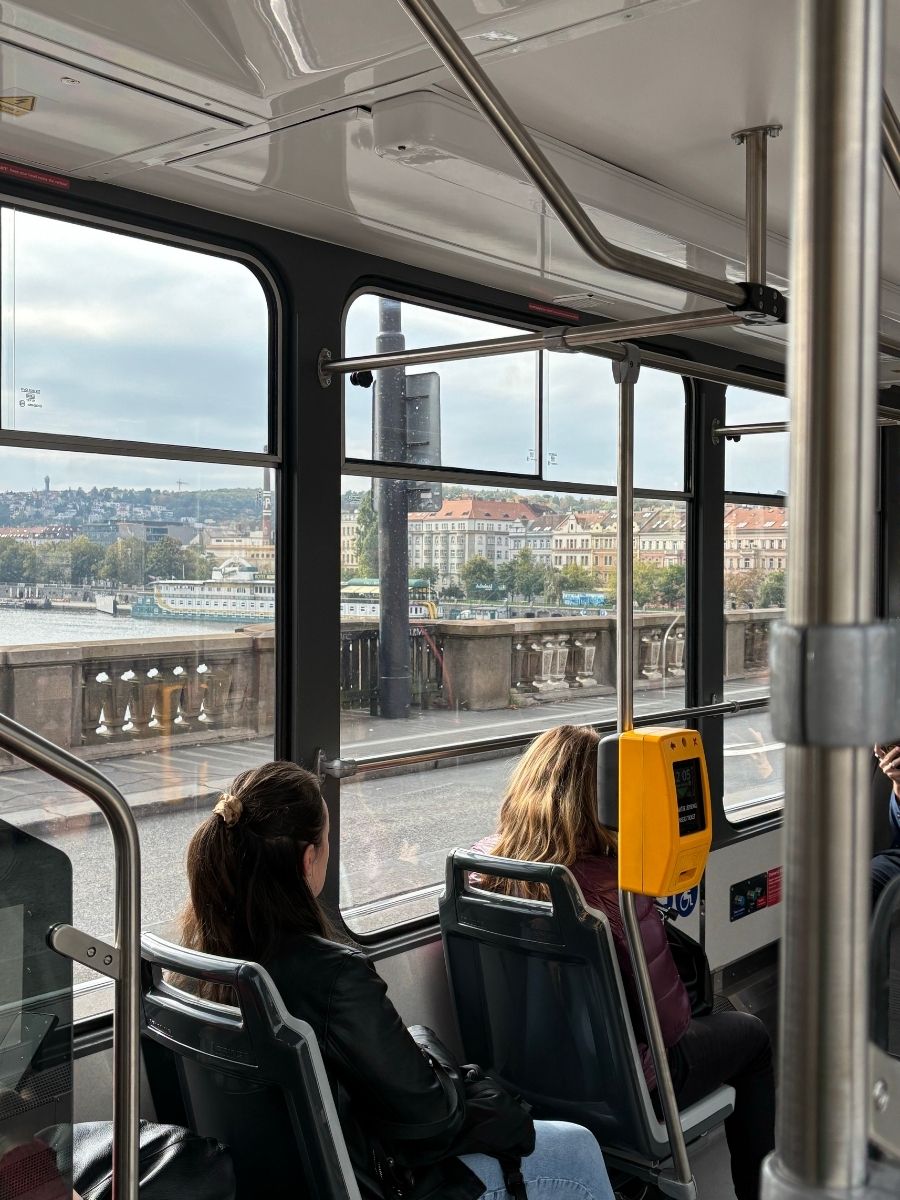
We break down exactly how to use public transportation in New York City and the rules apply for most public transit in major cities (minus the different systems each city uses to pay for rides).
READ HERE
Fewer Urgency-Based Purchases
Short trips create urgency. There’s pressure to buy souvenirs, book tours, or say yes to everything because time feels scarce.
Longer stays remove that pressure. You skip what doesn’t matter. You spend money on experiences or places you return to. Spending becomes slower and more intentional.
About Booking a One-Way Ticket
For many people, booking a one-way ticket feels stressful. It can bring up fears around finances, safety, or feeling ungrounded.
That nervousness is normal.
A one-way ticket doesn’t mean you’re committing forever. It simply gives you flexibility. You can book a return once you know how long you want to stay. In many cases, removing fixed deadlines reduces stress rather than creating it.
Longer stays aren’t about being reckless. They’re about creating space to settle, decide, and move forward intentionally.
Longer Stays Don’t Require Full-Time Travel
Staying longer doesn’t mean traveling full-time or disappearing for months.
Even small changes can lower travel costs:
- adding a few extra days
- choosing one base instead of multiple cities
- planning rest days instead of daily activities
Longer stays save money because they reduce flights, lower accommodation costs, simplify transportation, and remove urgency-driven spending.
If you’re curious about staying longer but aren’t ready to overhaul how you travel, start small. Add a few extra days to your next trip. Choose one neighborhood instead of several. Build in time to grocery shop, walk, and rest. Notice how the pace changes, and how your spending does too. We write about this style of travel full time. You can travel this way too.