How to Plan an International Trip (Budget & Slow Travel)

Understanding how to plan an international trip can feel intimidating in the beginning, especially when budget becomes part of the conversation. Flights, visas, lodging, insurance — it’s easy to assume traveling abroad requires either money or compromise.
The truth is, learning how to plan an international trip on a budget is less about cutting costs and more about pacing your travel, staying flexible, and choosing options that support daily life instead of tourist traps.
This guide walks you through how to plan an international trip in a way that feels calm, realistic, and sustainable.
Whether you’re planning your first international trip or starting to think about traveling more long term, the goal is to help you feel prepared without feeling overwhelmed.
How to Plan an International Trip on a Budget (At a Glance)
Step 1: Start With Travel Pace, Not Price
One of the biggest budget mistakes people make is trying to do too much, too fast.
Fast travel is expensive, not sustainable, and often leads to spending more money out of convenience and timing.
Slow travel, on the other hand, naturally lowers travel costs while improving comfort and truly deepening the experience of a new place.
Before thinking about numbers, ask yourself these questions:
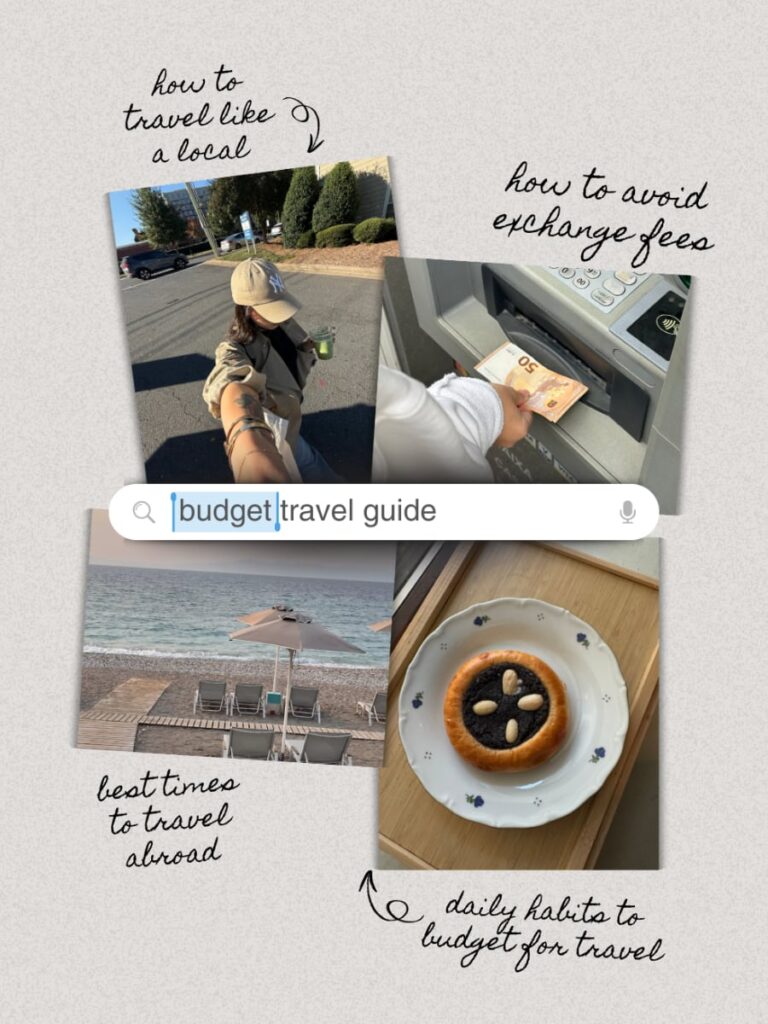
If you’re weighing the difference between short vacations and longer stays, our guide on slow travel vs vacationing breaks down why going slower often costs less over time.
slow traVEL VS VACATIONING
Slow Travel vs Vacation Travel:
A Calmer Way to Travel
Step 2: Choose Destinations That Support Budget and Daily Life

Not every destination supports the same kind of travel rhythm. Some places are better suited for longer stays, walkability, and everyday routines, which makes budgeting easier without feeling restrictive.
When choosing where to go, consider:
If you’re still unsure where to start, our beginner guide on How to Decide Where to Travel Next walks you through choosing destinations based on how you want your days to feel, not just what looks good online.
travel tips
How to Decide Where to Travel Next
(based on vibes)
Step 3: Build Your Budget Around Weekly or Monthly Costs
Instead of focusing on a single total number, it’s often more helpful to budget international travel by week or month.
This approach works especially well for longer trips and slow travel.
Focus on:
- average lodging cost per week or month
- transportation between destinations
- daily living expenses like groceries, coffee, and meals
Budgeting this way removes pressure and makes it easier to compare destinations realistically.
Step 4: Understand Entry Requirements Before Booking Flights
Checking entry requirements before booking flights protects your budget and prevents last-minute problems. These rules determine whether you’re allowed to enter a country, how long you can stay, and what documents you must show at the airport.
These details affect flight dates, trip length, and entry.
Before booking, confirm:
How to Find Info
What to Organize Once You Confirm
Once you’ve verified entry requirements, organize the documents that may be requested during airline check-in or immigration. You don’t need everything printed, but it should all be easily accessible. Email a copy to yourself just in case you get your phone stolen.
At minimum, have:
- passport (physical, with required expiration remaining)
- digital copy of your passport saved offline
- visa or entry authorization if required
- first accommodation address (hotel, rental, or host)
- proof of onward or return travel if required
Depending on the destination, it can also be helpful to have:
- travel insurance confirmation
- basic itinerary or travel plan
- emergency contact information
Keep these in one place on your phone and know where to access them quickly. Being organized prevents last-minute scrambling.
Step 5: Booking Your Flights and Transportation
The goal here isn’t to book everything early, but only what’s necessary while leaving still leaving room to adjust and book when you get there.
How to Approach Flights
Start with entry rules and trip length
Confirm how long you’re allowed to stay in the country and make sure your flight dates fall within that window before booking.
Choose arrival airports strategically
Compare multiple arrival airports in the same region. Flying into a major hub and continuing by ground transportation is often cheaper and gives you more flexibility than flying directly into smaller airports. We just use Google Flights for this.
Avoid tight or back-to-back connections
Leave buffer time between flights, especially on international routes. Around two hours is a good baseline to move comfortably between gates, handle delays, and reset before the next leg.
Prioritize flexible fares when plans aren’t locked in
If your dates or route may change, a slightly higher fare with change or refund options can save money and stress later.
How to Handle Transportation After Arrival
Plan the first leg in advance
Arrange transportation from the airport to your first accommodation so arrival is smooth. Book this ahead of time when it makes sense.
Compare ground options before committing
Review trains, buses, shuttles, ride shares, or short domestic flights. Use Google Maps to compare routes, travel times, and modes before choosing.
Delay booking short-distance travel
Public transit and regional routes usually have stable pricing and frequent departures. Figure out whats best to book in person.
Match transportation to your pace
Slower travel means fewer transfers and lower costs. If you’re staying put longer, transportation becomes a smaller part of your overall budget.
Public transportation is often the best way to move around a city, and knowing how to use it makes your experience that much better. Use youtube to familiarize yourself with any public transit system you’ll be using.
Step 6: Use House Sitting to Reduce Lodging Costs

House sitting is one of the most effective ways to lower lodging costs without sacrificing comfort.
With house sitting, you care for a home or pets in exchange for accommodation.
This often means:
- no lodging costs
- access to full kitchens and laundry
- staying in popular neighborhoods instead of tourist-y areas
House sitting works especially well for slow and budget travel, where comfort and routine matter more than location hopping.
We use Trusted Housesitters and Workaway to stay for free while traveling internationally.
Both platforms require planning and flexibility, but they can significantly reduce overall travel costs when used intentionally.
BUDGET TRAVEL
Travel House Sitting 101:
A Budget-Friendly Way to Slow Travel
Step 7: Plan for Health, Safety, and Insurance
Budget travel still has a few non-negotiables. Planning for health, safety, and insurance ahead of time helps prevent unexpected expenses and allows you to travel with confidence, especially if this is your first long-term international trip.
Health Basics to Handle Before
You Go
Travel Insurance vs Travel Health Insurance (What’s the Difference?)
Travel Insurance
typically covers:
Travel Health Insurance focuses on:
If you’re planning to travel for several months or move between countries, travel health insurance is often a better fit than standard trip-based insurance.
For aspiring digital nomads, the right choice depends on how long you’ll be abroad and whether your travel has a clear return date.
Step 8: Pack for Comfort and Daily Use

Packing for international travel should support how you live day to day, not just how you travel between places. The goal is to bring what helps you settle into a routine while keeping your bag manageable.
Instead of packing for every possible scenario, focus on versatility, comfort, and items that you already use daily.
Comfortable travel comes from packing pieces that work across multiple situations:
Think in Terms of Daily Rhythm:
- layers that handle changing weather
- shoes you can walk in all day
- quick-dry clothing you can wash quickly
- breathable fabrics that work for day & night
Smart Packing Questions to Avoid Overpacking…
Ask yourself:
- Will I use this regularly?
- Does this serve a purpose not served by another packed item?
- Does this support daily comfort or just “just in case” thinking?
A lighter bag makes moving around easier and reduces stress when unpacking and packing between destinations.
Step 9: Complete International Trip Planning Checklist
This checklist is designed to cover everything you may need for an international trip without creating unnecessary stress. Not every item will apply to every trip. The goal is preparedness, not perfection.
Use this as a reference you can return to throughout the planning process.
Travel Documents & Logistics
- Up-to-date Passport (many countries require 6+ months beyond return date)
- Visa or entry authorization if required
- Proof of onward or return travel if required
- Printed and digital copies of passport and visa
- Travel insurance policy details
- Emergency contact information
- Accommodation confirmations
- Transportation confirmations (flights, shuttles, trains, rentals)
- Driver’s license and international driving permit if needed
Money, Banking, and Payments
- Debit card with international access
- Credit card with no foreign transaction fees
- Backup payment method (second card or digital wallet)
- Emergency cash in local currency or USD
- Inform bank of travels
- Knowledge of tipping customs and cash usage at destination
Technology & Connectivity
- Unlocked phone
- eSIM, local SIM, or international data plan
- Charging cables and power adapters
- Portable battery pack
- Headphones or earbuds
- Downloaded apps for:
- airlines and accommodations
- maps and navigation (offline access)
- translation or currency conversion
- ride services or local transport
Health, Safety, and Insurance
- Travel insurance covering medical care and emergencies
- Copies of insurance cards and policy numbers
- Prescription medications (with documentation if required)
- Over-the-counter basics (pain relief, allergy meds, stomach relief)
- Sunscreen, insect repellent
- Awareness of local healthcare options
- Knowledge of emergency numbers at destination
Packing Essentials for Comfort
- Weather-appropriate clothing
- Comfortable walking shoes
- Sleepwear and layers
- Rain protection or sun protection as needed
- Swimsuit or activity-specific clothing
- Toiletries and personal care items
- Laundry essentials for longer stays
- Reusable water bottle
- Day bag or small backpack
Home & Life Admin Before You Leave
- Hold or forward mail if needed
- Pause deliveries or subscriptions
- Notify trusted contact of travel plans
- Clean and prep living space for return
Organization & Peace of Mind
- All confirmations saved in one place
- Important documents backed up digitally
- First 5 hours of trip planned
- Simple itinerary overview created
- Emergency plan in place
- Buffer funds available
This checklist is here to support you, not overwhelm you. International travel becomes far less intimidating when everything is written down and handled gradually.
travel planning
How to Plan a Trip:
A Travel Template You Can Use Anywhere
Step 10: Follow a Complete International Trip Planning Timeline

Breaking international trip planning into stages keeps the process manageable and prevents last-minute stress. This timeline covers everything you may need to do, without requiring you to do it all at once.
3–6 Months Before Departure (Early Planning Phase)
- Confirm passport validity (many countries require at least 6 months beyond your return date)
- Research visa and entry requirements for your destination
- Decide trip length and general travel pace
- Choose destinations that support your budget and lifestyle
- Estimate a realistic weekly or monthly budget
- Begin tracking flight prices
- Research best arrival airports and transportation
- Confirm time off work or flexible work arrangements
- Start a rough itinerary focused on where you’ll stay, not what you’ll do
2–3 Months Before Departure (Booking Phase)
- Book international flights
- Book primary accommodations or long-term stays
- Research transportation options between destinations ad book anything if needed
- Purchase or renew travel credit cards with no foreign transaction fees
- Schedule travel clinic appointment if recommended for your destination
4–6 Weeks Before Departure (Preparation Phase)
- Purchase travel insurance
- Review healthcare access at your destination
- Refill prescriptions and request documentation if needed
- Purchase or unlock a phone for international use
- Choose an eSIM or international data plan
- Research local currency and payment methods
- Set up online banking access and alerts
- Make digital and physical copies of important documents
- Begin packing list based on climate and activities
2–3 Weeks Before Departure (Final Planning Phase)
- Confirm accommodations and transportation
- Pre-book key activities or tours (only if necessary)
- Download offline maps and navigation apps
- Download airline and accommodation apps
- Organize confirmations in one place
- Plan airport transportation at home
- Check baggage rules and weight limits
- Begin setting aside small bills or emergency cash
1 Week Before Departure (Wrap-Up Phase)
- Finalize packing and do a test pack
- Confirm passport, wallet, and documents are accessible
- Notify bank and credit card companies (if required)
- Check weather forecast and adjust packing
- Download entertainment for flights
- Clean out fridge and prep your home for departure
Day Before Departure
- Charge all devices and battery packs
- Confirm flights and check in online
- Review airport arrival times and terminal info
- Set out travel outfit and essentials
- Get a good night’s sleep <3
Travel Day Essentials
- Passport and copies
- Boarding passes and confirmations
- Wallet with cards and cash
- Phone, charger, and adapters
- Snacks and water bottle
Final Thoughts: Budget International Travel Can Still Feel Comfortable
Planning an international trip on a budget doesn’t mean sacrificing comfort, safety, or enjoyment. It means being intentional with pace, choosing destinations that support daily life, and letting flexibility work in your favor.
International travel doesn’t have to feel out of reach. With the right approach, it can feel calm, do-able, and sustainable.