Olympic National Park Guide | Everything You Need to Know Before You Go
This Olympic National Park travel guide covers everything you need to know before your trip, From where to stay and what to pack, to the best time to visit and how to explore the park’s lakes, rainforests, and coastlines.
The Park at a Glance
- Location: Washington’s Olympic Peninsula (about 2.5 hours from Seattle)
- Size: Nearly 1 million acres
- Best Time to Visit: July–September for clear weather and open roads
- Top Areas: Lake Crescent, Hoh Rain Forest, Rialto Beach, Ruby Beach, and Hurricane Ridge
- Average Stay: 3–5 days for a relaxed pace
- Entry Fee: $35 per vehicle or included with an America the Beautiful Pass
- Vibe: Misty mornings, quiet forests, and wide-open beaches that make you slow down
Olympic National Park: A One-of-a-Kind National Park
There is something truly magical in the air in Olympic National Park. Something that you have to experience to truly grasp, but then it will never leave you.
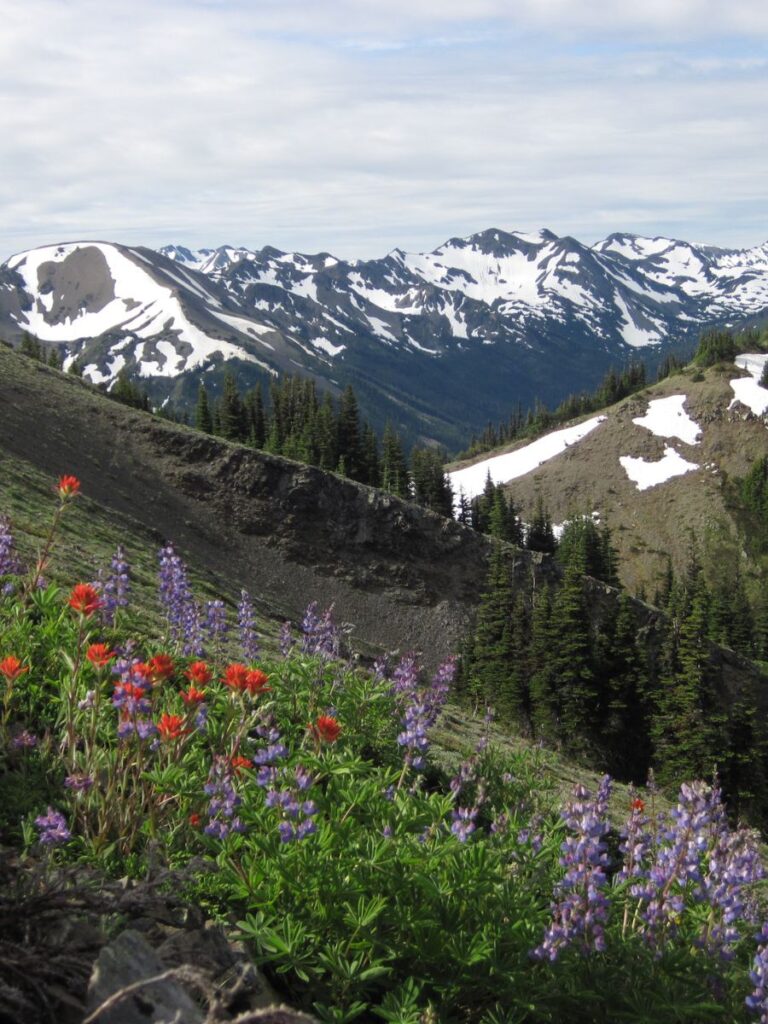
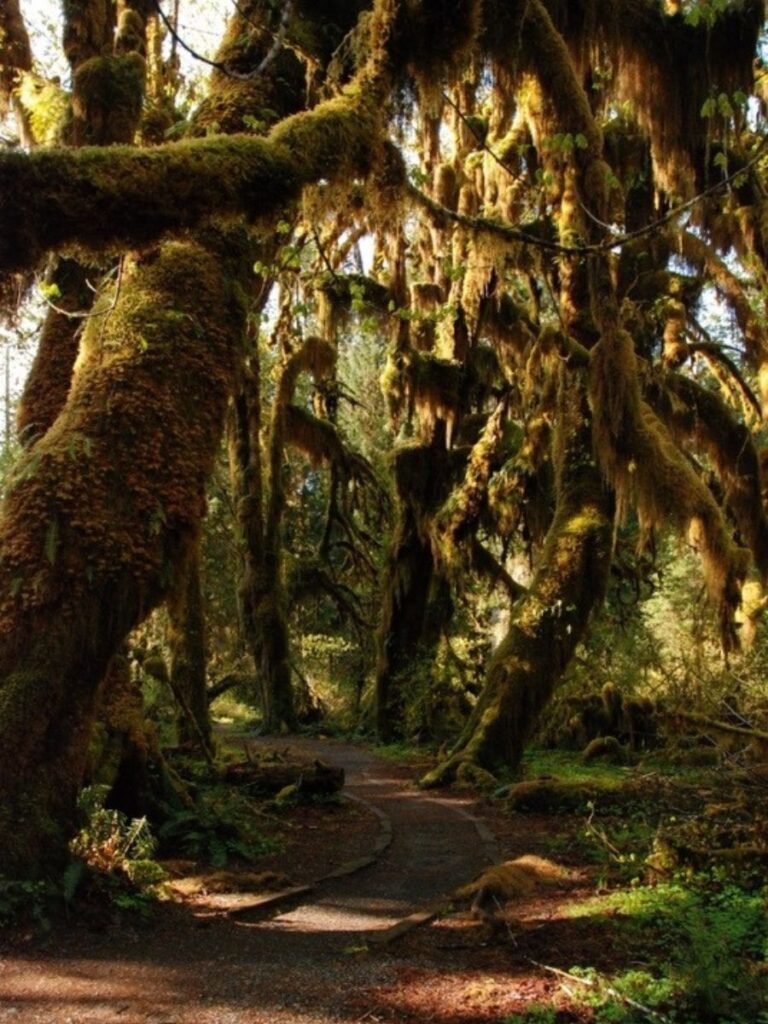
What makes Olympic National Park so special is how much it holds in one place. Mountains, rainforest, and ocean all meet here. You can start your morning in the misty Hoh Rain Forest and end your day watching the sun set behind sea stacks at Ruby Beach. The variety is unreal, and it all feels untouched. Everything is alive. Moss covering trees, driftwood stacked on the sand, fog rolling through the evergreens. It’s one of those rare places that feels both wild and peaceful, where every turn gives you something new to look at.
Comprehensive Google Map of Olympic National Park
We pinned every spot worth visiting. Click the top-right icon to open this map in Google Maps.
You can save it to your account, download it for offline use, and use it to plan your route through the park.
Olympic National Park doesn’t have a single road running through it. Instead, Highway 101 makes a loop around the edges, connecting the park’s main regions: mountains, rainforest, and coast.
Each area feels different, but they all flow together. Port Angeles is your northern hub, Forks and the Hoh Rain Forest sit along the west, and the southern stretch near Kalaloch gives you quiet beaches and wide-open views.
What Makes Olympic National Park So Special
1. It’s one of the most diverse national parks in the U.S.
Olympic has almost every type of landscape packed into one place — glacier-capped mountains, temperate rainforest, and rugged coastline — all within a few hours of driving. You can start your morning in the misty Hoh Rain Forest and end your day watching the sunset over the Pacific at Ruby Beach. That variety is rare anywhere in the world.
2. The temperate rainforests are unlike anywhere else in the country.
The Hoh and Quinault Rain Forests are part of one of the largest temperate rainforests left on Earth. These forests get 140 to 170 inches of rain a year, which is why everything — literally everything — is covered in moss and lichen. The old-growth trees here (some over 300 feet tall and hundreds of years old) give the park that “enchanted” feel.
3. The coastline is wild and untouched.
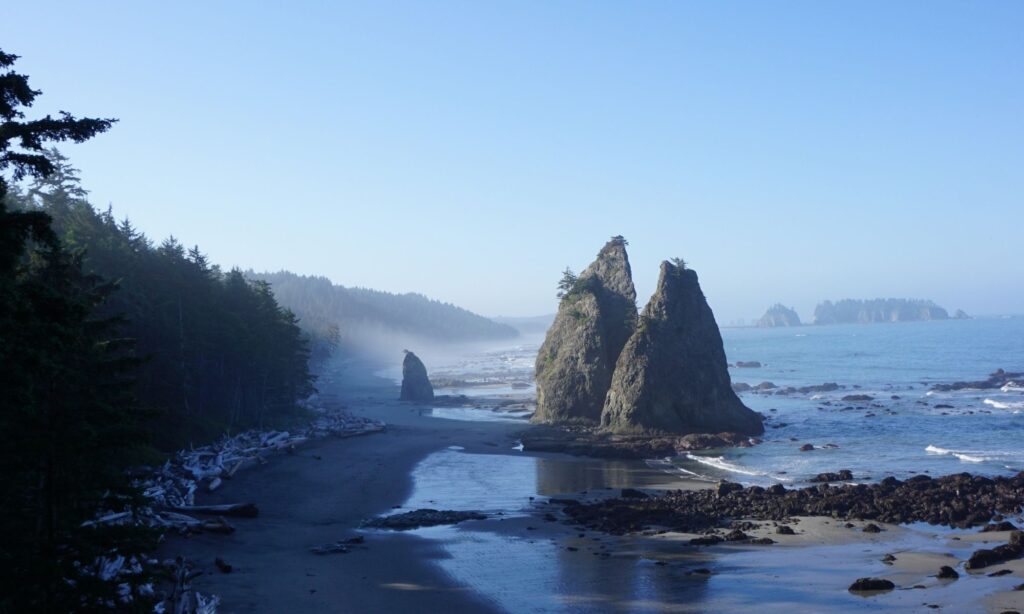
Olympic’s 70+ miles of protected coastline are mostly undeveloped — no boardwalks, no big resorts. It’s all driftwood, tide pools, and sea stacks. Beaches like Rialto, Ruby, and Shi Shi change with the tides and light, making every visit look different.
4. It’s home to its own ecosystem.
Because of its isolation — surrounded by water and mountain ranges — the Olympic Peninsula developed unique plant and animal species that exist nowhere else. You’ll find endemic subspecies like the Olympic marmot, Olympic snow mole, and certain varieties of moss and lichens that only grow here.
Getting Into Olympic National Park
There are a few primary ways to enter Olympic National Park, from the north via Port Angeles, from the west via the Forks/coastal side, or from the south via Lake Quinault. Which entrance you choose depends largely on where you’re coming from and what part of the park you want to see first.
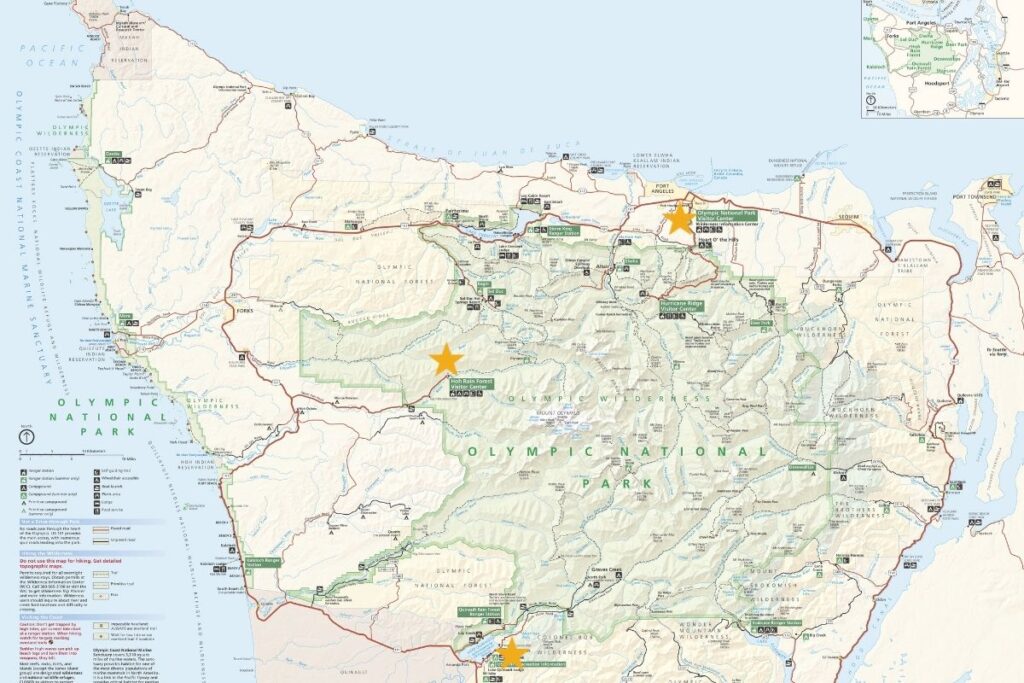
The easiest way to reach Olympic National Park is from Seattle. From the city, it’s about a 2.5-hour drive to Port Angeles, the main gateway to the park. If you’re flying in, Seattle-Tacoma International Airport (SEA) is the closest major airport. You’ll want to rent a car. The park is massive and spread out, with each area separated by scenic drives.
When to Visit Olympic National Park
We visited in the early fall, the second week of September. In our opinion, it was truly a magical time. Not warm, but still the kind of weather where you can wear your flip-flops on the beach while tide-pooling, with your coat on. We camped the whole time we were there and the weather was great for us, never too cold, just right really.
What’s the best time to visit Olympic National Park?
July through early September have the best weather, most roads are open, and the days are long.
If you prefer fewer people and moodier weather, late May to mid-June or September to early October are ideal.
When is the rainforest most lush?
Spring through early summer. Heavy rainfall and mild temps make the moss and ferns their brightest green.
When are the beaches best for tide-pooling?
Late spring through early fall, during morning low tides. Check tide charts before you go, times change daily.
When is the park least crowded?
Late fall through early spring (October to April). You’ll trade sun for solitude, but it’s still beautiful.
How Long to Spend in Olympic National Park
Most travelers spend 3–5 days in Olympic, which gives enough time to see the rainforest, coast, and lakes without rushing. If you have a week, split your time between the Port Angeles area and the coast — it makes a big difference. Shorter trips still work too; just focus on one area and take your time there.
Approximate Drive Times:
- Port Angeles → Lake Crescent – 30 min
- Lake Crescent → Hoh Rain Forest – 1 hr 30 min
- Hoh → Ruby Beach – 45 min
- Ruby → Kalaloch – 15 min
- Forks → Rialto Beach – 20 min
How to Break it Up:
If you have 3–4 days, stay in one main spot (Forks or Lake Crescent) and do day trips.
If you have 5–7 days, split it up — a few nights near the lake or Port Angeles, then a few nights closer to the coast or rainforest.
That way, you’re never spending all day driving, and you get to actually enjoy each part of the park.
Where to Stay in Olympic National Park: and where we stayed
Where you stay in Olympic National Park really shapes your trip. The park is huge, and everything is spread out. If you try to do it all from one base, you’ll end up driving more than exploring. It’s one of those parks where staying in different areas makes the whole experience better.
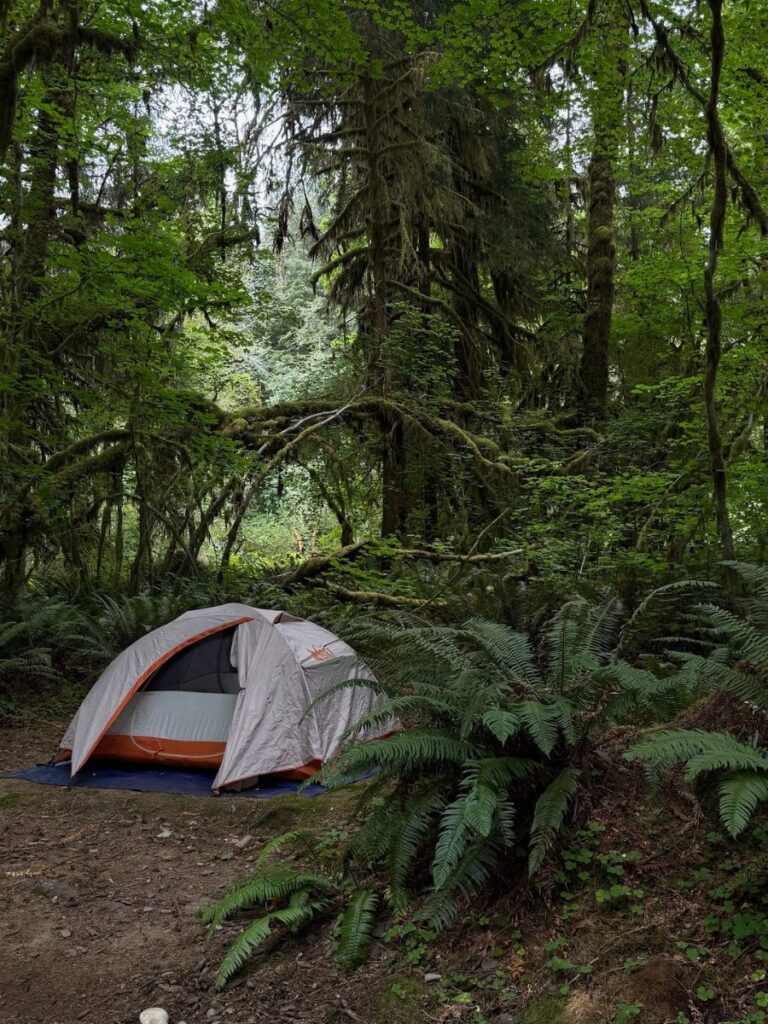
We camped at Upper Clearwater, which was dispersed camping tucked deep in the forest — quiet and mossy. Forks was our closest town for groceries, coffee, and supplies, and it ended up being the perfect base for exploring the coast and rainforest. Before coming here, we started our trip camping right outside of Port Angeles to hit the Lake Crescent area first.
Camping Tip: We use the app Campendium to find our camping spots. Using this app made it to easy to determine exactly where we wanted to sleep for the night. even though this spot was tucked deep in the forest on a rough road, it was exactly what we wanted for our stay on this side of the Park.
Our Olympic National Park Itinerary Flow
We spent three days here, but it could have easily been five or more. Whether you have two, three, five, or even a full week, there’s always something to explore. The park is massive, but everything flows together, lake to forest to beach.
Tips:
- Beaches are best at low tide.
- Go to the lakes early in the morning for misty views.
- Visit the rainforest in the afternoon when the light shines through the trees.
- And always leave room for spontaneity. You’ll end up finding something unexpected — and it’ll probably be your favorite part of the trip.
Best Things to Do in Olympic National Park (Overall):
Olympic NP is big and spread out, but that’s what makes it amazing — mountains, rainforest, and coastline all within the same loop. You don’t need a strict plan to see the best of it; you just have to keep moving and pull over often.
- Drive the Olympic Loop: the main road (Highway 101) circles the park and connects all the main regions. It’s one of the best road trips in the U.S. — lakes, ocean views, and forest all in one drive.
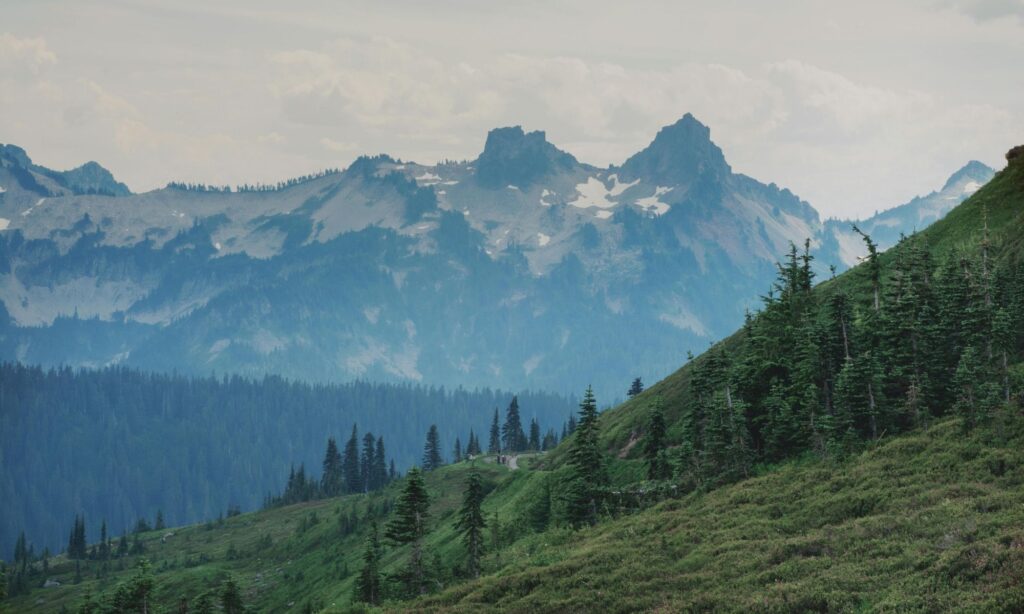
- Visit Hurricane Ridge: for clear mountain views, wildflowers in summer, and snowshoeing in winter. The drive up is beautiful too.
- Soak in Sol Duc Hot Springs: natural mineral hot springs in a quiet valley. The nearby trail to Sol Duc Falls is an easy must-do.
- Explore the beaches: Rialto, Ruby, and Kalaloch are easy to reach; Shi Shi Beach is more remote if you want something quieter and more rugged.
- Wildlife watching: elk in the rainforest, eagles near lakes, otters and seals along the coast.
- Take it slow: you can’t see it all in one trip — the best moments usually come from unplanned stops and just being in it.
Lake Crescent
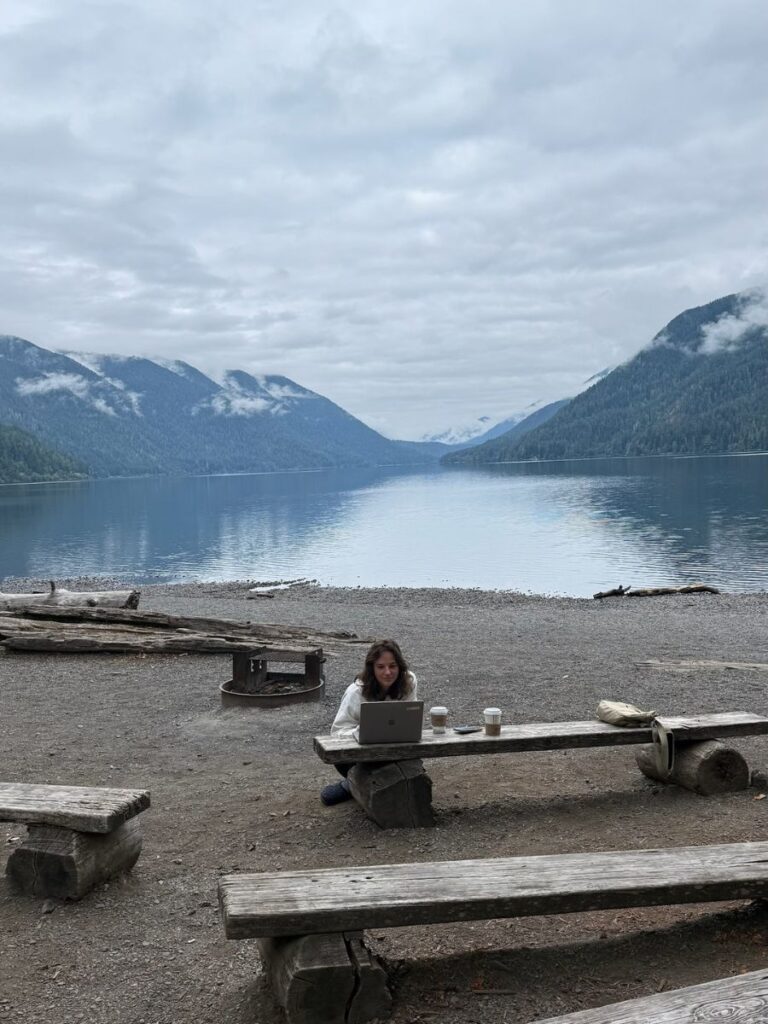
One of the first places we went was Lake Crescent, and it’s just one of those views that hits you. The lake is unbelievably clear and calm, surrounded by mountains that make the water look even bluer.
Best Things to do in Lake Crescent
- Walk the Moments in Time Trail: short, flat, and peaceful. It’s an easy loop that winds through mossy trees and gives you glimpses of the lake through the forest.
- Hike to Marymere Falls: a quick 1.8-mile trail that starts near Storm King Ranger Station. It’s shaded, green, and ends with a small waterfall tucked into the forest.
- Sit at Lake Crescent Lodge: grab a coffee or drink and just sit by the water. The lodge patio has one of the best views in the park.
- Swim or rent kayaks: the water is cold year-round but unbelievably clear — it almost glows turquoise in the sun.
- Drive or pull over: even if you’re not hiking, just stopping at the pull-offs gives you that quiet, mirror-like view of the lake.
Stay here if: you want to explore the north side of the park before heading west toward the rainforest and beaches.
Where to stay:
- Lake Crescent Lodge: right on the lake, cozy and classic with a big porch that overlooks the water.
- Log Cabin Resort: more lowkey, with cabins and RV spots on the north side of the lake.
- Port Angeles: has hotels, groceries, and a few solid restaurants if you want more convenience.
Hoh Rain Forest
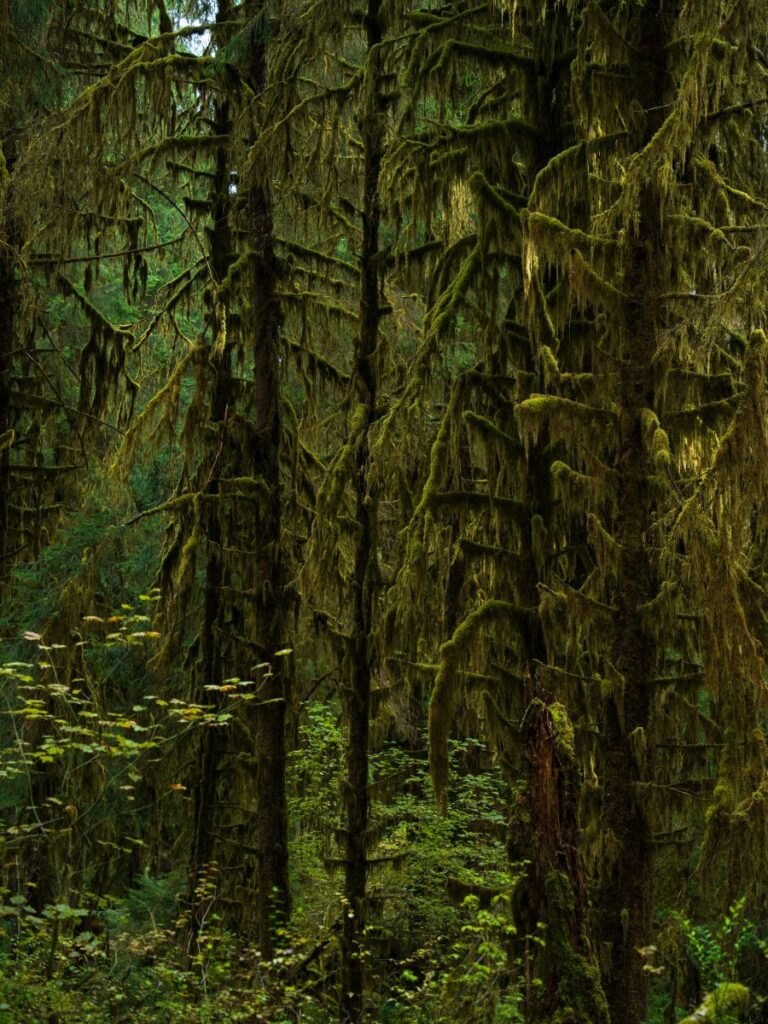
We dedicated a day to the Hoh Rain Forest — it’s hard to describe how alive it feels. Everything is green and covered in moss.
Best Things to do in The Hoh Rain Forest:
- Hall of Mosses Trail: the most popular trail for a reason. It’s short (under a mile), but the scenery looks ancient — old-growth trees, moss curtains hanging overhead, ferns taller than you.
- Spruce Nature Trail: slightly longer and quieter than Hall of Mosses. It runs along the Hoh River and gives you open space between the trees.
- Look for wildlife: elk often wander near the visitor center, especially in the morning.
- Take your time: this is one of the few spots where wandering slowly makes the experience better. You don’t have to go far — every few feet looks like a different world.
Best for: rainforest walks, beaches, and slower days
Stay here if: you want to explore the Hoh Rain Forest, Rialto Beach, and Ruby Beach without long drives.
Where to stay:
- Upper Clearwater dispersed camping: peaceful, tucked in the forest, and still close to the coast.
- Forks area cabins or lodges: easy access to both the Hoh and the beaches — Woodland Inns and Manitou Lodge are good options.
- Misty Valley Inn: a small B&B surrounded by trees.
Rialto Beach
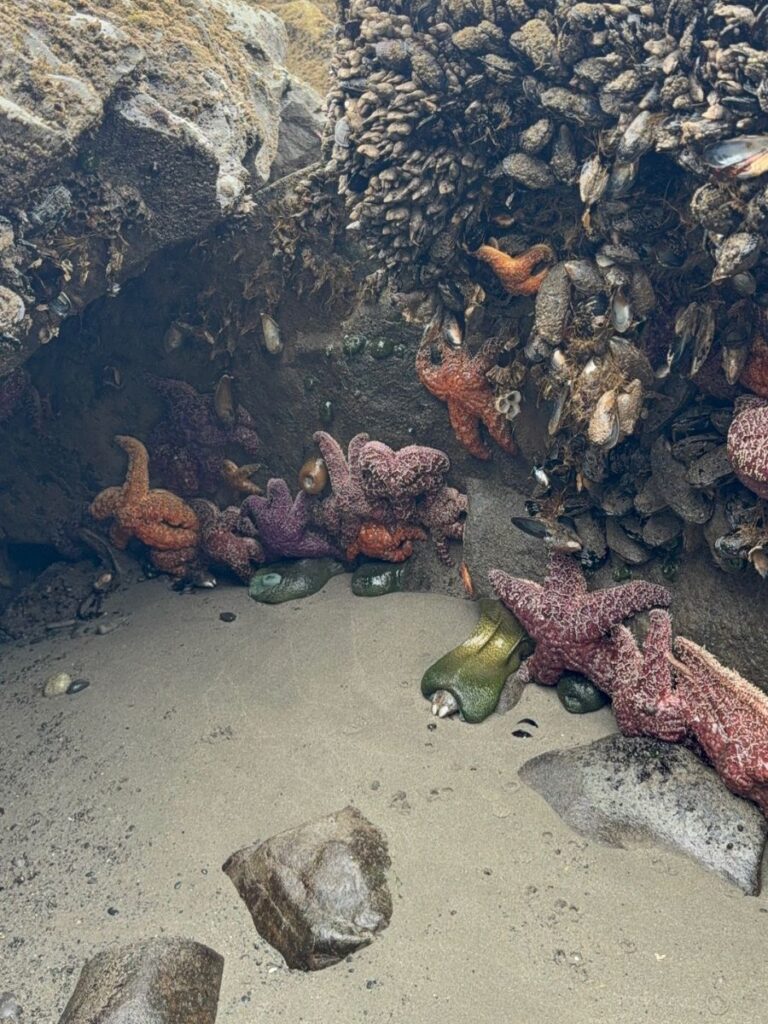
We went to Rialto Beach in the morning to catch low tide, and it was one of our favorite parts of the trip. The sea stacks in the fog, the tide pools, and the sound of the ocean — it’s all just peaceful. Bring sandals or waterproof shoes so you can walk along the rocks and explore.
Best Things to Do at Rialto Beach
- Walk to Hole-in-the-Wall: about 1.5 miles north from the parking lot. Go at low tide (only accessible at low tide!) so you can walk right up to the sea stacks and tide pools. It’s a mix of sand and small rocks, so waterproof shoes help.
- Tide-pooling: This was the best tide-pool beach we visited in all of Washington and Oregon. During low tide, look for bright purple sea stars, green anemones, and small crabs hiding in the rocks.
- Sea-Gazing: the fog and light here change every few minutes. Morning mist, afternoon brightness, and evening sunsets all feel completely different.
Ruby Beach & Kalaloch
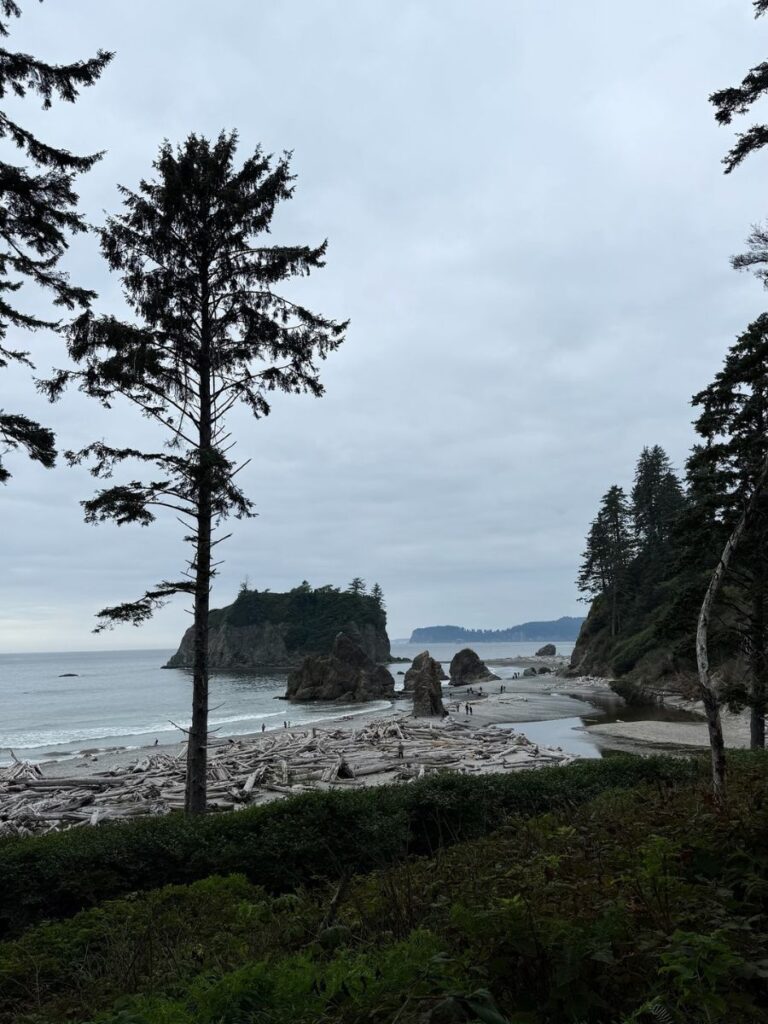
Ruby Beach is one of the most photogenic spots in Olympic. Huge sea stacks, smooth rocks, and a wide stretch of sand that glows at sunset. It’s a short walk from the parking lot, but it opens up into a massive beach that feels peaceful even when others are around.
Best Things to Do at Ruby Beach:
- Look for unique rocks: the beach pebbles here are amazing. You’ll see all kinds of colored pebbles and stones polished by water
- Admire the sea stacks: Ruby Beach is dotted with huge dramatic sea stacks.
- Explore the tide pools: during low tide, walk out toward the rocks and look for starfish and anemones.
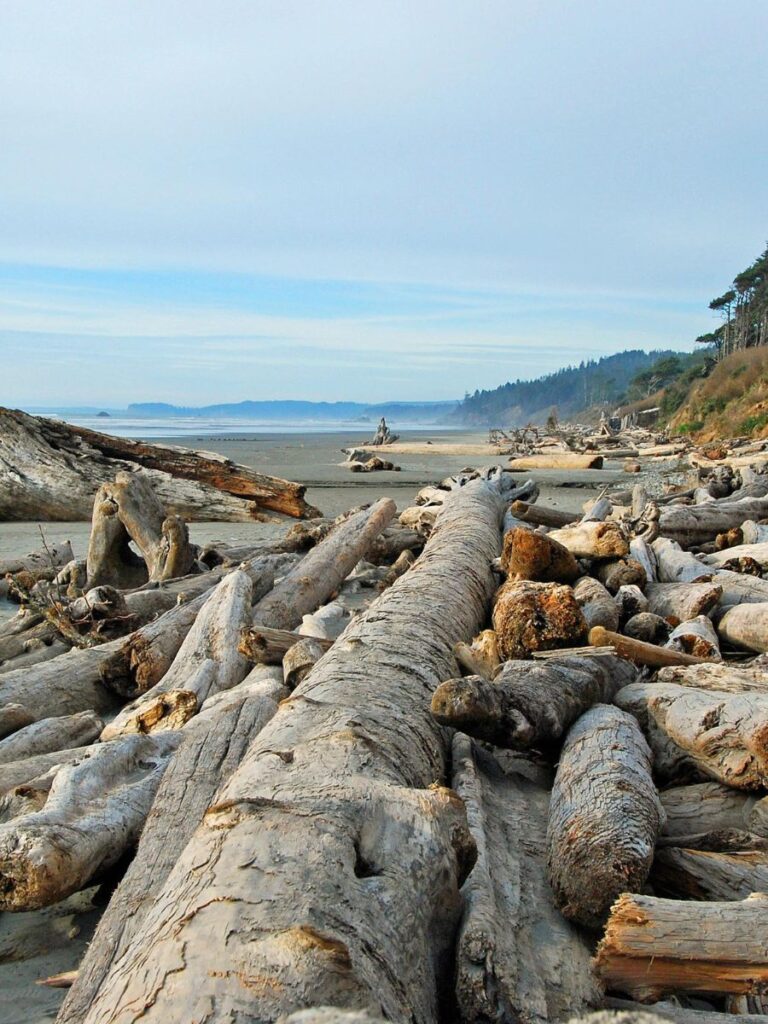
- Wander the driftwood piles: the giant logs and tangled roots create natural sculptures everywhere you look.
- Stay for sunset: it’s one of the best spots in the park for golden light reflecting off wet sand.
Best for: oceanfront stays, beach sunsets, and solitude
Stay here if: you want to wake up near Ruby Beach or Kalaloch Beach without driving from inland.
Where to stay:
- Kalaloch Lodge: ocean views, driftwood beaches, and cozy cabins right on the bluff.
- Kalaloch Campground: next to the beach with easy access to the Tree of Life.
Why it’s worth it: if you have time for one more stop, this is the perfect place to slow down before leaving the park. The sunsets here are unreal, and the beach walks go on for miles.
What to Pack
Think of this as what works most of the year. Simple, minimal, and ready for the a mix of weather.
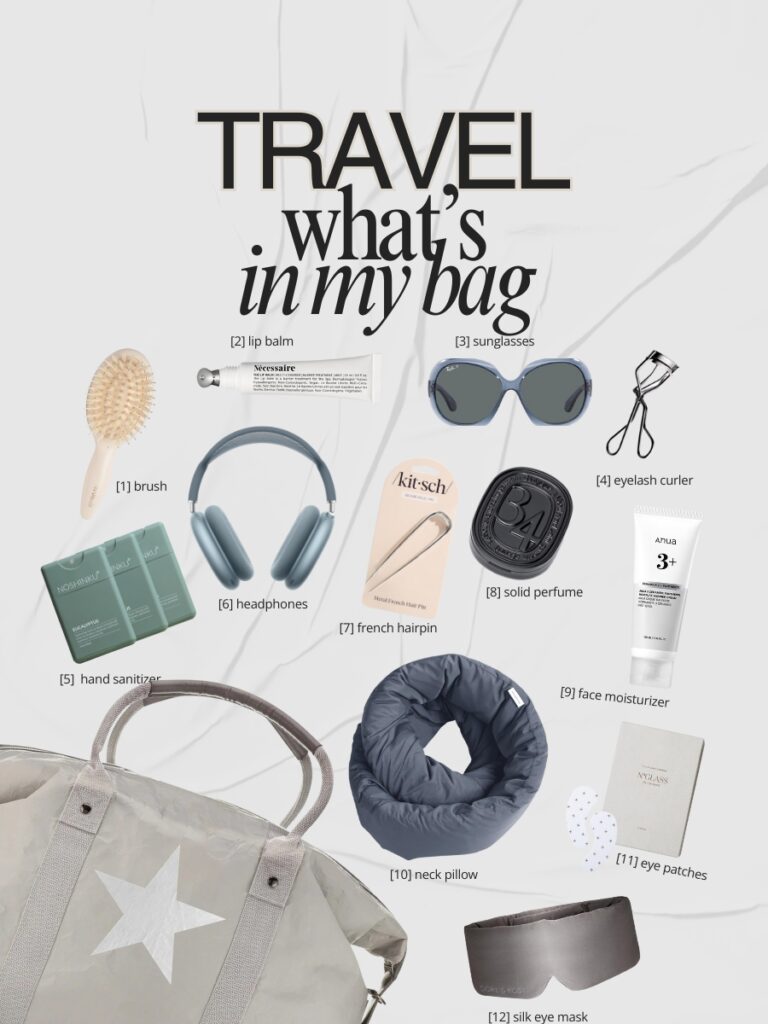
You’ll want a jacket to throw on when it gets cool, shorts for the warmer days, a long sleeve for the misty ones, and pants for beach walks and forest trails. Waterproof shoes or sandals are perfect for the beaches, and the right boots make a big difference on the trails. Pair that with your basics: socks, underwear, comfy clothes for downtime, and a few of your favorite “aesthetic” pieces, and you’re all set!
Our Packing List Essentials
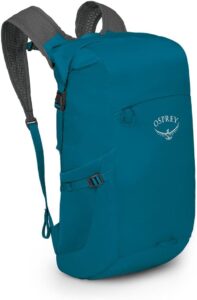
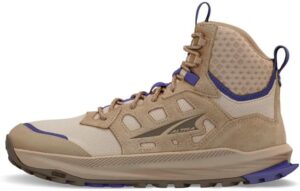
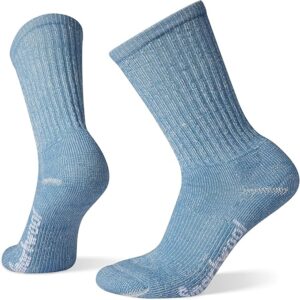
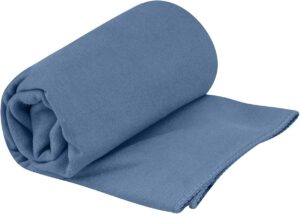
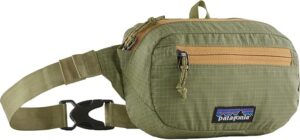
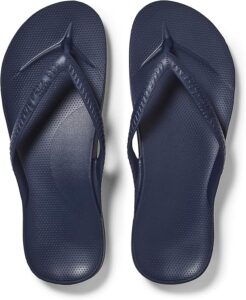
Base Layers
- Quick-dry tops and long sleeves
- Fleece or midweight pullover
- Quick-dry pants or leggings
- Shorts for warmer days
Outer Layers
- Packable waterproof jacket
- Warm jacket or sweatshirt
- Light puffer if it’s colder or you’re camping
Shoes
- Waterproof hiking boots or trail shoes
- Sandals or slides for the beach and campsite
- Warm socks for cooler nights
Extras
- Hat for sun or drizzle
- Reusable coffee cup and water bottle
- Small towel or cloth
- Day bag or backpack
- Sunscreen and bug spray
Comfy + Personal
- Comfy clothes for relaxing
- Socks, underwear, and your go-to basics
- A couple “aesthetic” pieces that make you feel like yourself
Before You Go
You should 100% get the America the Beautiful Pass or a park entry pass for Olympic National Park. Go into any of the park’s visitors center and tell them you would like to purchase (for $80), the pass and you’re in to any National Park for the next year!
This is really fun to get and feels like you are getting your driver’s license for the National Parks, even though you don’t get a photo taken.
Food, Coffee & Supplies
Olympic isn’t a food destination, so plan to bring what you need. Forks is your best stop for groceries, gas, and takeout. Port Angeles has more options if you’re coming from that side. Once you’re in the park, it’s mostly you and nature.
Kalaloch Lodge has a small restaurant overlooking the ocean — simple food. Otherwise, keep it easy: coffee in town, packed lunches, snacks in the car.
It’s the kind of trip where food is more about convenience than planning. The focus is the drive, the forest, and the coast, not where you’re eating next.
Best Apps to Have for Olympic National Park
There’s barely any service once you’re inside Olympic, so having a few key apps downloaded before you go makes a big difference. Just the ones that help you find campsites, check tides, and keep your bearings when you’re deep in the forest.
Offline Navigation
- Google Maps — download offline maps for the entire Olympic Peninsula before your trip.
- Gaia GPS or AllTrails+ — great for tracking hikes and viewing detailed trail maps offline.
Camping & Overnight Stays
- Campendium — best for finding dispersed camping spots, RV sites, and user reviews.
- The Dyrt — another good one for campground details and offline map options.
Weather & Tides
- NOAA Weather — reliable local forecasts for different parts of the park.
- Tides Near Me or My Tide Times — essential if you’re planning to visit beaches like Rialto or Ruby during low tide.
Park Info & Nature
- NPS App — download the Olympic National Park guide for alerts, maps, and visitor info offline.
- iNaturalist — great for identifying plants, moss, or wildlife along your hikes.
Extras
- Spotify or Podcasts — download playlists or episodes for the longer drives.
- Google Translate — useful if you meet international travelers.
Our Related Guides You’ll Love:
- How to Plan a Cross-Country Road Trip Through the National Parks
- Visit Grand Teton National Park: Hikes, Hot Springs & Scenic Stops