Winter Packing List: How We Pack Warm in a Carry-On
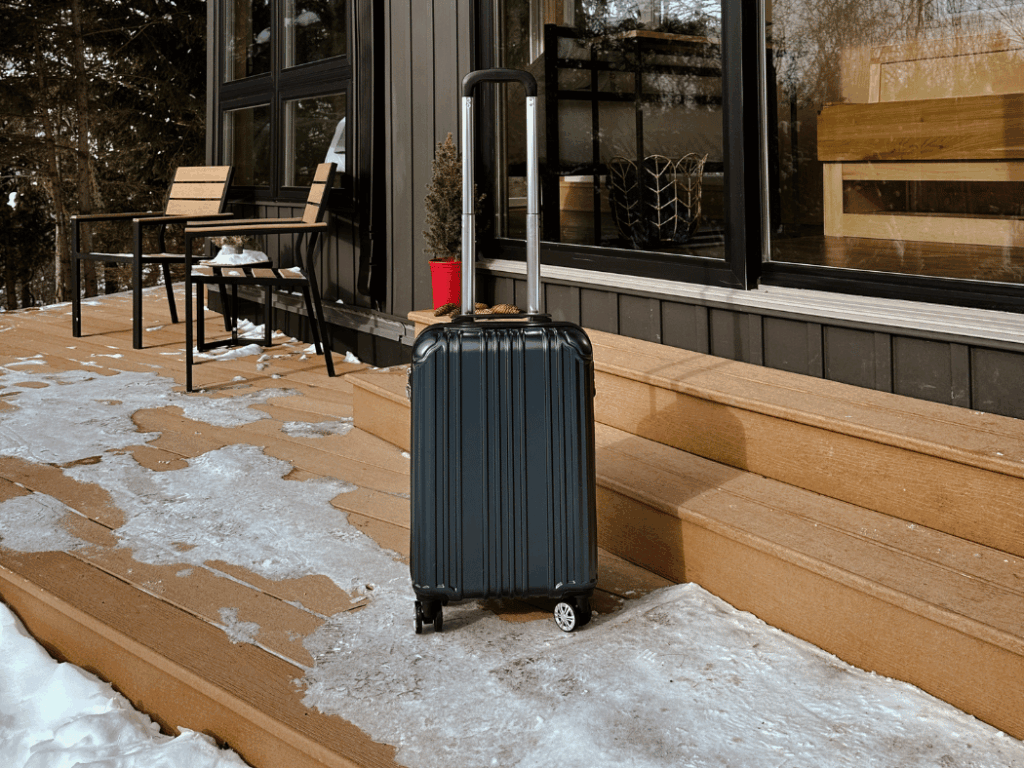
A good winter packing list is not about how much you pack. It is about what it is made of.
Cotton holds water against your skin. Meanwhile, cheap acrylic knits look warm but do nothing.
As a result, most of what people pack for winter travel fails to actually keep you warm, which is why you end up cold and still have a suitcase spilling over.
Merino wool, real down, and technical fleece do the opposite. They regulate temperature, they dry quickly when damp, and because of that, one right piece can replace three wrong ones.
We grew up in a small town in Ohio, so we did not learn about dressing for cold weather from a blog. Instead, we learned it from scraping windshields in February and being outside anyway, especially when there was snow on the ground.
Later, when we started traveling carry-on only, we had to rethink how to stay warm without our whole closet at our disposal.
We have packed for winter in Detroit, Chicago, and Yosemite, and the lesson was the same every time.
Bulky does not mean warm. Quality fabric does.
This post may use affiliate links. When you shop through them, we may earn a small commission (no additional cost to you). This helps to keep all of our travel resources free for everyone <3
Why Most Winter Packing Lists Don’t Keep You Warm
Most winter packing lists are just longer versions of the same mistake.
More sweaters, more cotton shirts, more coats, all in the fabrics that were not working in the first place.
Here is what actually happens when you pack wrong for a winter trip :
You have a bulky coat, a bulky sweater, and a cotton tee. You walk into a cafe with the heat cranked and sweat through the tee. You step back outside and now you are in damp fabric in freezing air, under a knit sweater the wind goes right through. By the end of the day you cannot feel your knees or your toes, because you thought jeans and thick knit socks would be enough. Been there.
No amount of extra layers fixes that. The problem is not how many pieces you packed. It is that the piece against your skin cannot handle moisture, and nothing on top is made to hold heat in.
Layering is not about stacking clothes.
It’s about letting each layer do a specific job. Wicking, insulating, and blocking wind and water.
Three thin pieces that each do their job will beat a heavy coat over a cotton tee, every time.
The Three-Layer System We Use To Pack For Winter Travel
Every good winter travel packing list, no matter who writes it, comes back to the same three jobs.
- Base layer. Anything that touches your skin. Thermal tops, thermal bottoms, socks. The job here is moisture-wicking, and keeping your body heat trapped.
- Mid layer. Your insulation. Sweaters, fleece, and a packable puffer. This is the layer you add and remove as the day changes.
- Outer layer. Weather protection. An insulated or waterproof coat, plus hat, gloves, and scarf.
In Summary: One thermal base, one fleece, and one weather-proof shell handles most winter days.
Base Layers (The Most Important Thing You Can Pack)
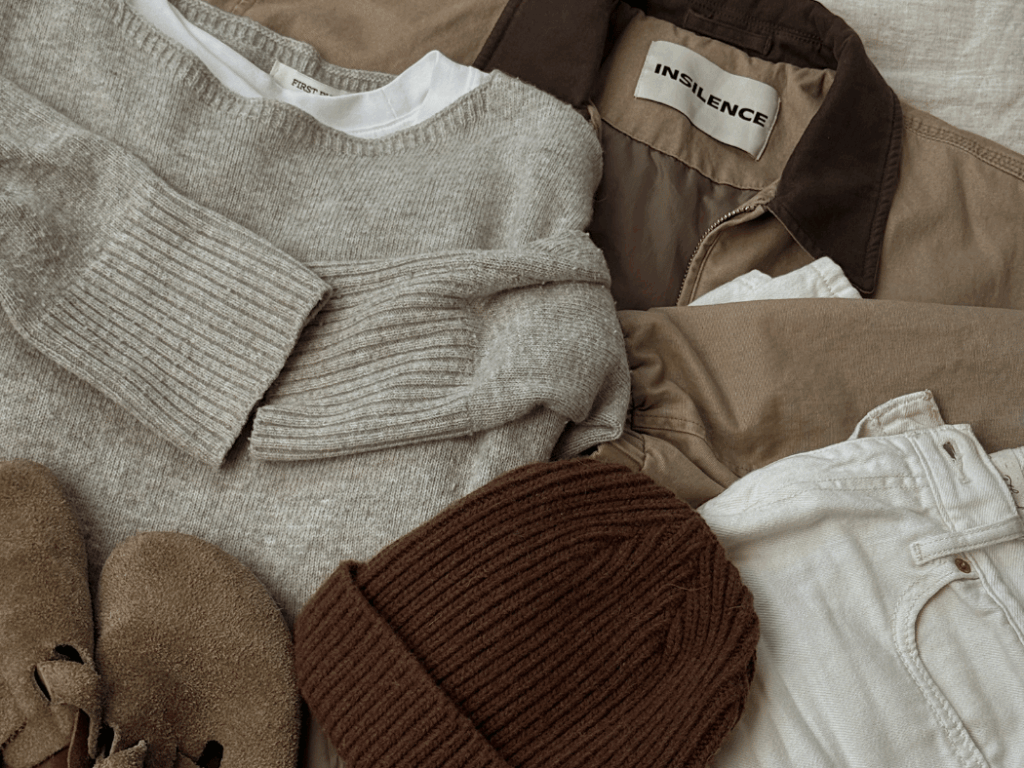
What to stay away from
Cotton. Great in the summer, but skip it for winter.
Cotton is not moisture-wicking and takes a long time to dry. You sweat walking to lunch, the shirt stays damp, and you spend the rest of the afternoon with soggy pits.
Better layering options
Merino wool or an engineered synthetic. Pack 2-3 total, wear them in rotation.
Look for:
- Merino wool tops and bottoms (moisture-wicking, resists odor for days)
- Uniqlo HeatTech thermals if merino is out of budget
Merino is the one we found to be worth the price. It stretches a wash cycle into four or five wears, and is one of our fabric fabrics to wear in winter.
The thermal tights are the single most skipped item on most packing lists for winter trips.
They are also the one that makes the biggest difference on a cold and windy day.
Our Favorite Base Layers
These are the pieces that make everything else on this winter packing list work.
Baselayers
Pure Merino Wool Long Sleeve
🔥🔥
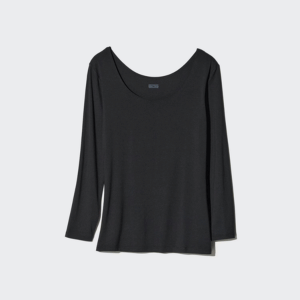
uniqlo
HEATTECH T-Shirt Scoop Neck
🔥
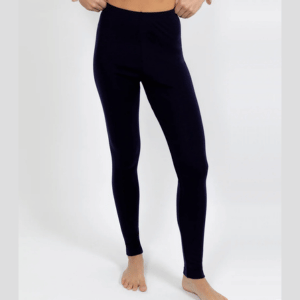
baselayers
Pure Merino Legging
🔥🔥
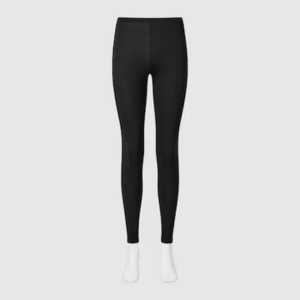
uniqlo
HEATTECH Leggings
🔥
✈️❄️ Planning your winter trip in a hurry? Make Booking Easy.
Mid Layers (Where Most Winter Packing Lists Fall Short)
What to stay away from
Bulky knit sweaters.
Sweaters are the bulkiest item in your bag and can quickly fill up a carry-on.
And from personal experience, walking around a new city all day in a bulky sweater and coat is overstimulating.
Better options
Two or three mid layers. The heaviest one gets worn on the plane.
Our formula:
- 2 to 3 lighter sweaters in neutral colors
- Packable down or synthetic puffer
The packable puffer is the piece people skip and should not. A packable puffer compresses to almost nothing, weighs almost nothing, and does two jobs. It is your main jacket on a warmer day or an insulation layer under your bigger coat on colder days.
Neutral colors are not a style rule here. They are a packing strategy.
If every mid layer works with every bottom, three pieces give you nine outfits.
Our Favorite Mid Layers:
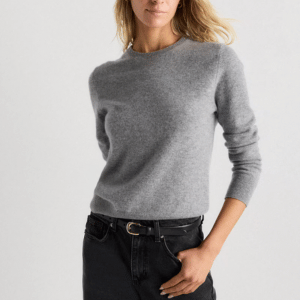
quince
Mongolian Cashmere Sweater
🔥
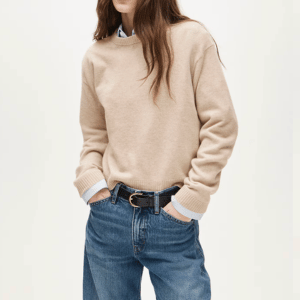
J Crew
Perfect Cashmere Crewneck
🔥🔥
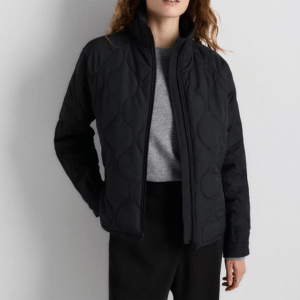
quince
Quilted Packable Puffer Jacket
🔥
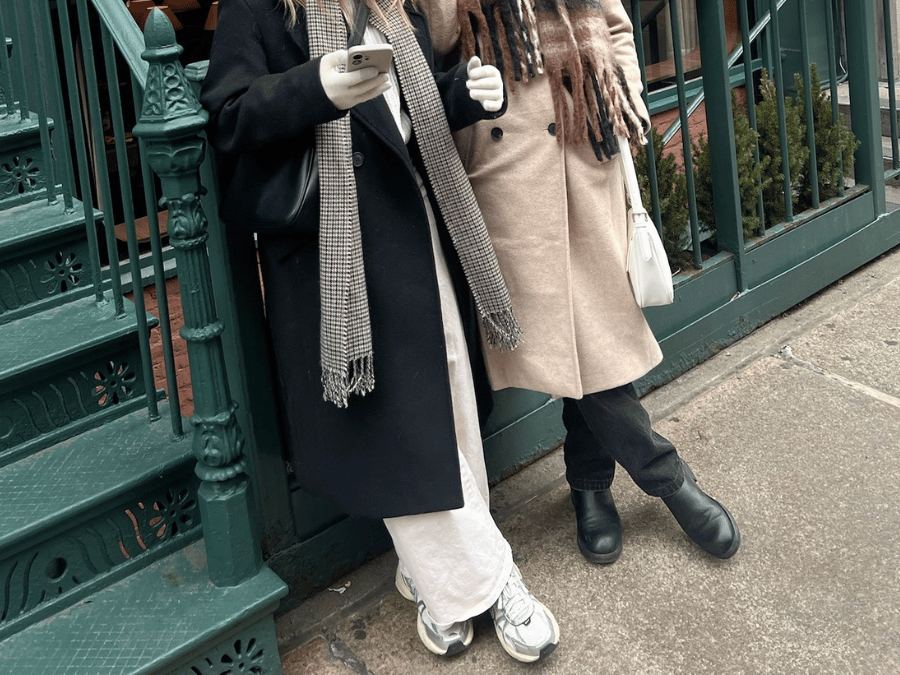
Winter Coats (Buy Once, Buy Well)
What to stay away from
Cheap, synthetic coats meant to look cute, not keep you warm.
Think: faux leather, synthetic wool, puffer jackets filled with something resembling pillow stuffing…
Those all soak through when wet, take days to dry in a hotel, and on a carry-on trip you have no backup.
Also skip anything that stops at the hip. Having a coat that at least covers your butt will keep you so much warmer.
Better options
One coat. Water resistant. Mid-length or longer.
Look for:
- Mid-thigh length minimum
- A weather resistant or waterproof shell
- Pockets deep enough to hold gloves and a hat
A quality winter coat is another item that matters to invest in. For instance, my favorite winter jacket is a vintage Patagonia coat that used to be my Grandmas (and it’s my warmest!)
Our Favorite Winter Coats:
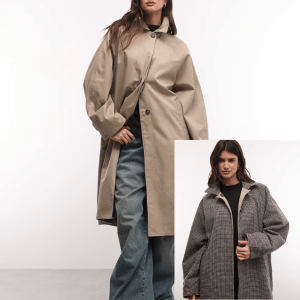
asos
Weekday Coat
(reversible dogtooth lining)
🔥
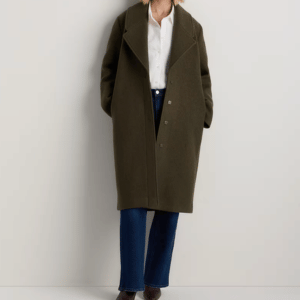
quince
100% Merino Wool Long Coat
🔥🔥
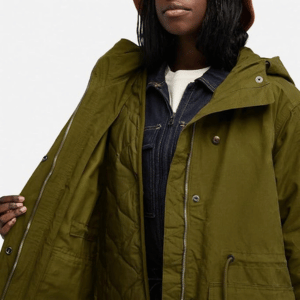
timberland
2-in-1 City Parka
🔥🔥
Socks and Boots (The Most Often Overlooked)
What to stay away from
Cotton socks and breathable shoes.
Cold feet are the worst when you’re trying to enjoy a day of exploring. On multiple occasions i’ve quickly packed random socks I assume are warm enough, but by then end of day it’s hard to walk because I cant feel my toes!
Also skip the brand new shoes or boots. A winter trip is 15,000 to 20,000 steps a day and blisters on day one ruin the whole week.
Better options
Wool socks and boots that are genuinely warm.
Look for:
- 4-5 pairs of wool socks, mixing thick pairs for boots with thin merino for sneakers
- 1 pair waterproof winter boots with real traction, broken in before you go
- 1 second pair of shoes, sneakers or something slightly dressier
- Indoor shoes or slippers
Two pairs of shoes total is the carry-on limit. One worn, one packed. Boots are the biggest space eater in a bag so they always go on your feet for travel days.
The indoor shoes are specific to how we travel. When you are housesitting instead of hotel-hopping, having something on your feet inside that is not your wet outdoor boots changes the entire feel of a stay.
Our Favorite Winter Socks and Boots:
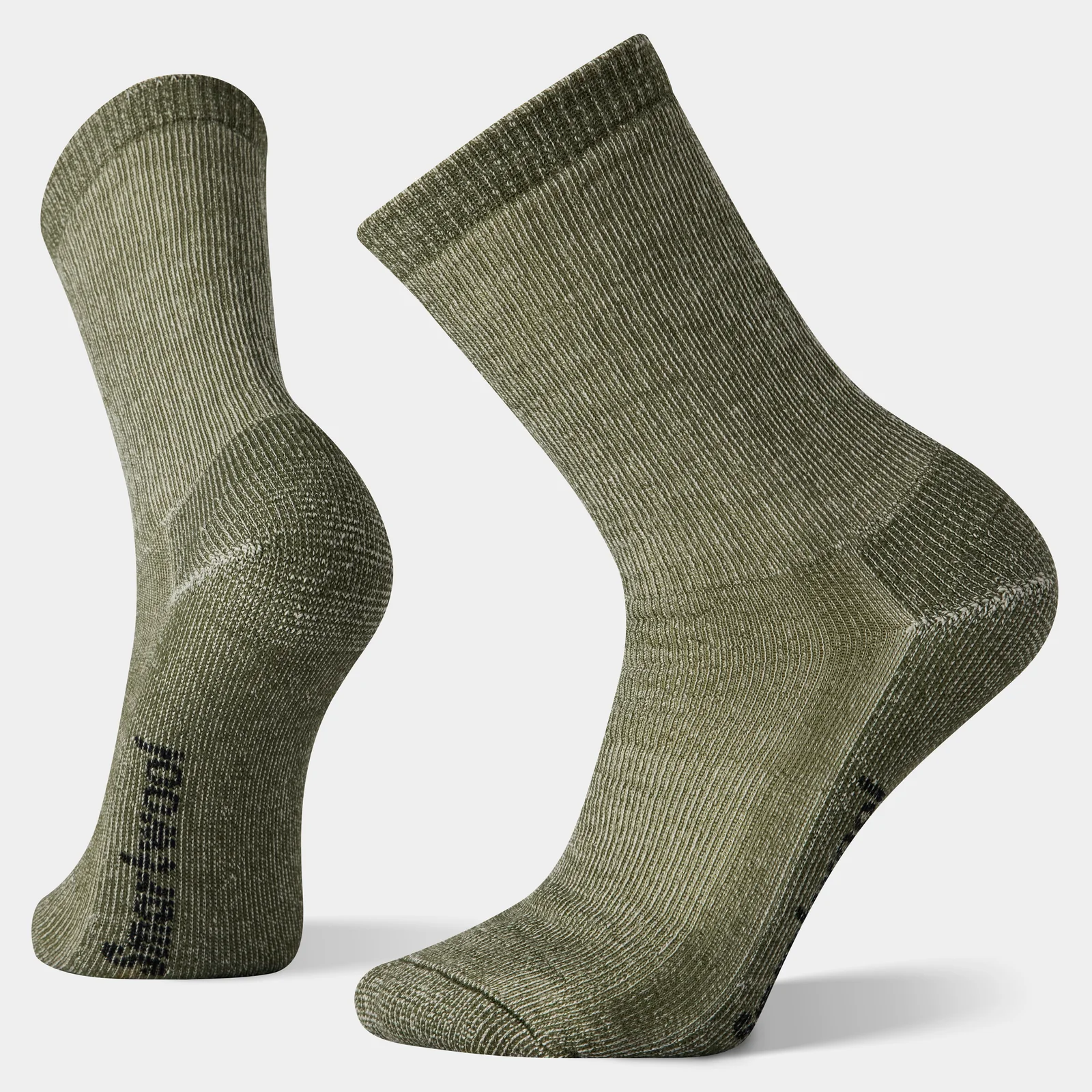
Smartwool
Wool Cushion Crew Socks
🔥🔥
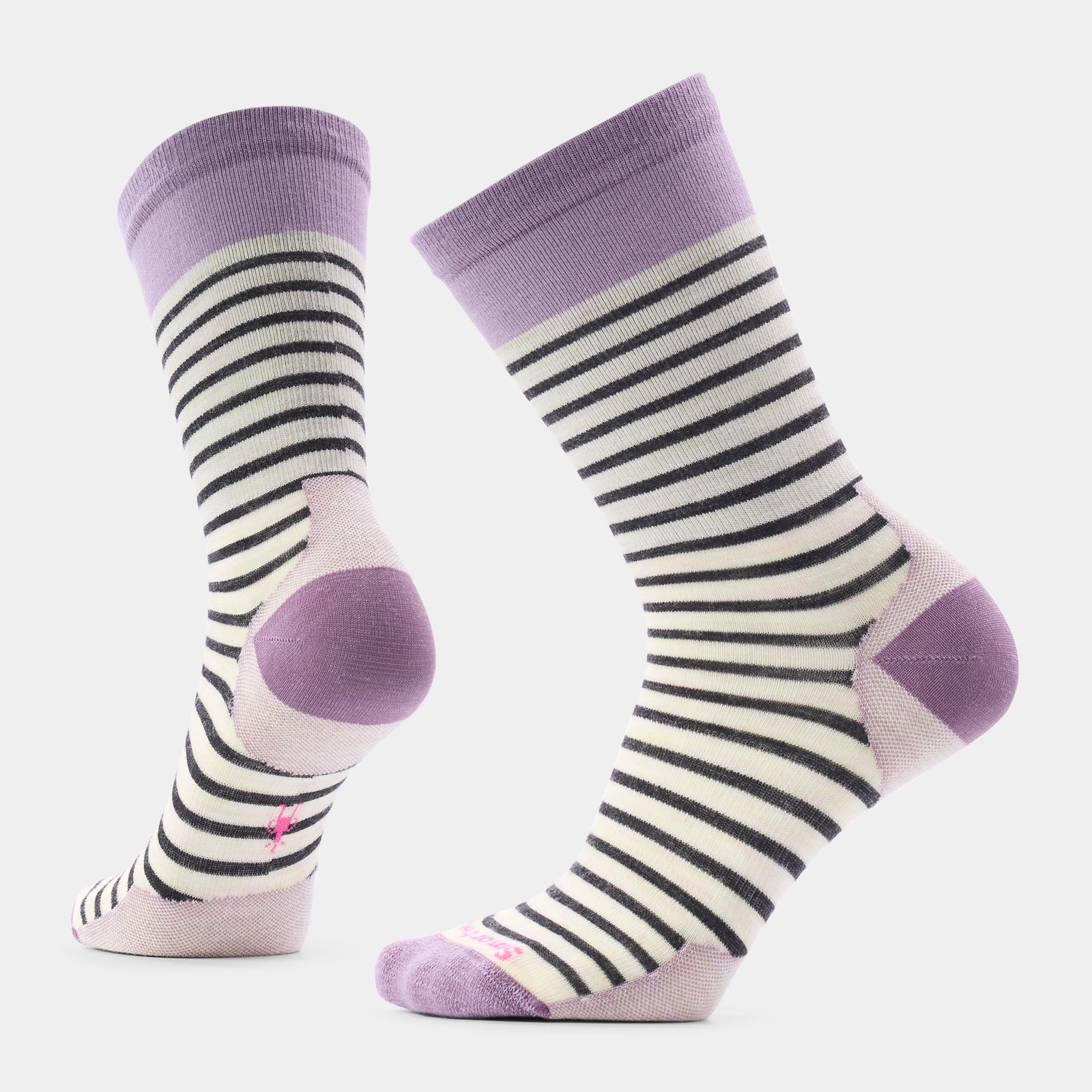
smartwool
Wool Stripe Crew Socks
🔥
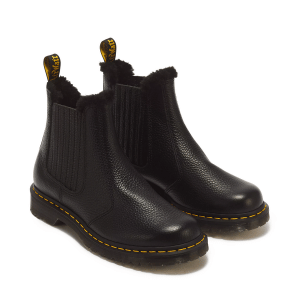
Dr martens
Fur Lined Soft Leather Chelsea Boot
🔥🔥
UGG
Tasman Weatherproof Boots
🔥🔥
Winter Accessories (Extra Things To Pack)
What to stay away from
Four hats, three scarves, and two pairs of gloves.
Accessories feel weightless individually. Together they fill an entire packing cube.
Also skip any gloves that are not touchscreen compatible. Taking them off every time you check a map or grab a photo is how your hands end up numb.
Better options
One of each, in a neutral that works with everything.
Look for:
- A scarf big enough to double as a plane blanket or wrap
- Touchscreen compatible gloves
- One hat or beanie, plus optionally a knitted headband that fits under a hood
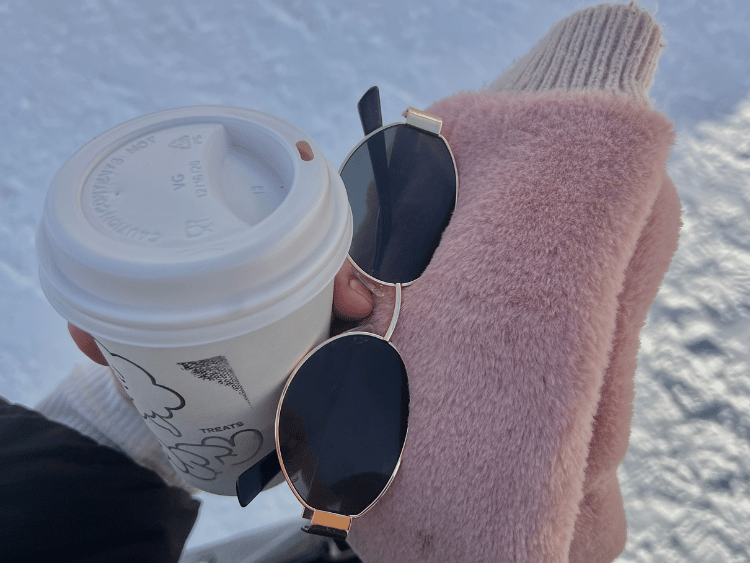
- Polarized sunglasses (snow glare is intense and nobody packs sunglasses in December)
- Hand warmers, rechargeable or single use
Save the statement pieces for when you are not living out of a bag. If you are asking “but what if I want a different look,” the answer on a carry-on trip is usually no.
Our Favorite Winter Accessories:
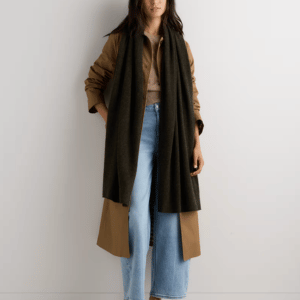
quince
Cashmere Travel Wrap
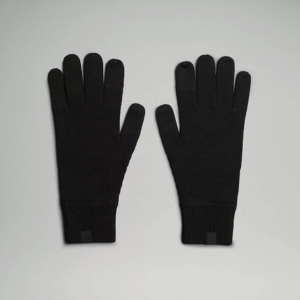
lululemon
Merino-Wool Blend Gloves
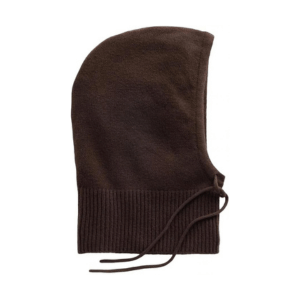
gap
CashSoft Balaclava
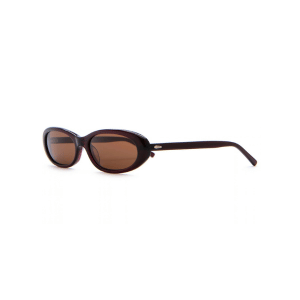
crap eyewear
Polarized Sunnies
Skincare for a Winter Travel Packing List
What to stay away from
Light moisturizer and drying makeup
Cold air plus indoor heating strips moisture out of your skin faster than anything else. Whatever works for you in June will not be enough in January, and you find out on day three when your hands crack.
Also do not leave sunscreen at home because it is winter. Snow reflects UV straight back at your face.
Better options
Every skin care Step should be hydrating.
Look for:
- A thicker moisturizer than your usual
- Lip balm with SPF
- Hand cream, kept in a coat pocket
- Sunscreen
- Mini travel pharmacy
- Tissues and hand sanitizer
For more on travel skincare, we break down our entire carry-on skincare system, including the TSA-friendly container setup, in our travel skincare routine post.
Our Favorite Cold Weather Skincare:
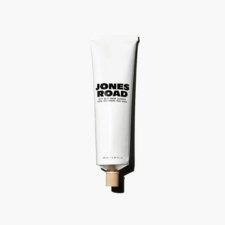
jones road
Soft Skin Cream Cleanser
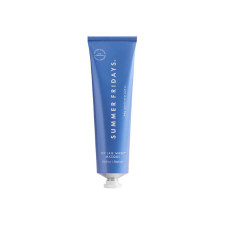
summer fridays
Mask + Moisturizer Deep Hydration Treatment
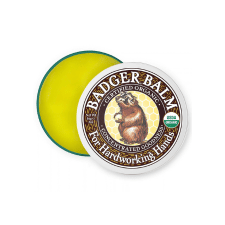
badger balm
Healing Hand Balm
Bags and the Packing System
Our carry-on only packing system is the one part of this we have genuinely mastered. It took about a year of refining, and now it is second nature.
On the rare trip where we drive instead of fly, we overpack immediately, and relearn the same lesson every time. The things you pack just in case are the things you never wear.
Our Favorite Carry-On Setup:
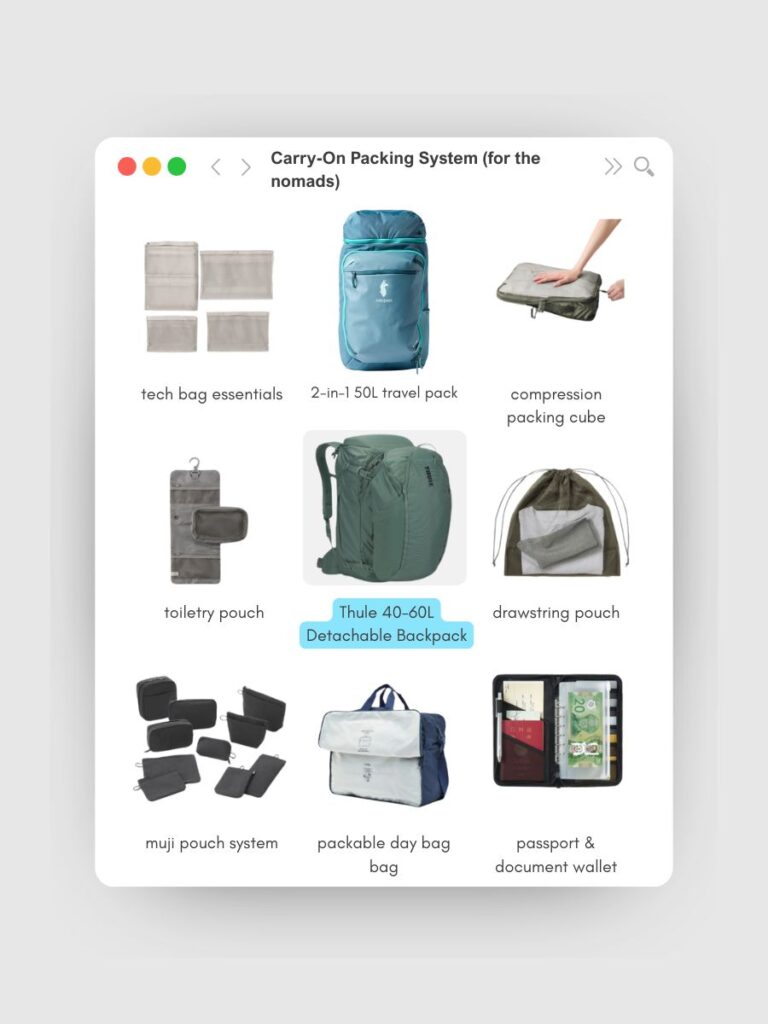
- A carry-on suitcase or travel backpack
- A personal item bag with in-flight essentials
- Compression packing cubes, with everything rolled
- A packable tote that lives flat in your bag until you need it
- A crossbody or fanny pack worn under your coat, so your passport and phone stay accessible
- A laundry bag
One week of clothing is a good cap, no matter how long the trip is. Packing a laundry kit is the easiest way to stop overpacking before it starts.
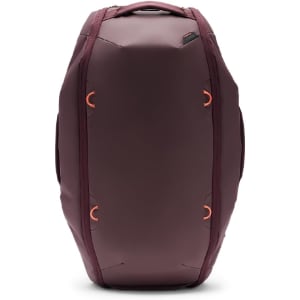
peak design
Our Favorite Carry-On Bag
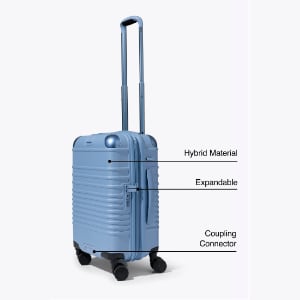
Béis
Chic & Well Designed Carry-On
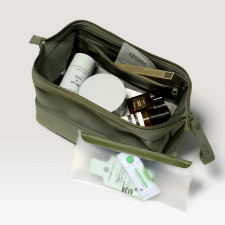
Béis
Travel Dopp Kit
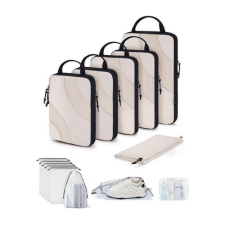
bagsmart
The Best Compression Packing Cubes
The Complete Winter Travel Packing Checklist
One week of clothing. Laundry after that. That’s the best way to pack for long trips in a carry-on (even in winter).
Clothing
- 3 base layer tops
- 2 thermal tights
- 2 pairs jeans or pants
- 2 to 3 sweaters or mid layers (one heavy, worn on the plane)
- 1 packable puffer
- 1 weather-proof winter coat, mid-thigh (worn on the plane)
- 7 pairs underwear
- 2 bras
- 5 pairs wool socks
- 1 to 2 pairs pajamas
- 1 swimsuit
- Optional: 1 skirt or sweater dress
Footwear
- 1 pair waterproof winter boots (worn on the plane)
- 1 second pair of shoes
- Indoor shoes or slippers
Accessories
- 1 warm scarf or wrap
- 1 pair touchscreen gloves
- 1 hat or beanie
- Polarized sunglasses
- Hand warmers
Skincare and Health
- Heavy moisturizer
- Lip balm with SPF
- Hand cream
- Sunscreen
- Toiletries in travel sizes
- First aid kit, OTC meds, prescriptions
- Hand sanitizer and tissues
Tech
- Phone and tech chargers
- Power bank
- Headphones
- Kindle
- AirTag
- Ziplock bags
Documents
- Passport, visas, and copies
- Travel insurance info
- Cards with no foreign transaction fees
- Cash
Checkout Our Other Packing Guides
🪞 The Perfect Skincare Routine That Travels With You (Carry-On Friendly)
🧳 Travel Backpacks & Bags for Women: Carry-On Packing System
💧 Travel Laundry Kit: How We Wash Clothes While Traveling
💤 What’s In My Travel Bag: Personal Item Packing List For Flying
💊 Best Travel Supplements: The Ones You Should Pack (and Skip)
Three Rules That Make a Carry-On Winter Packing List Work
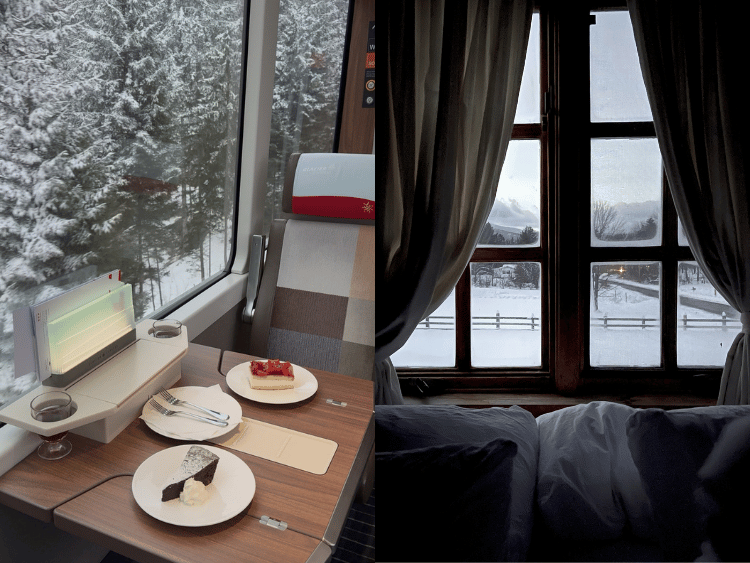
1. Wear your bulkiest things on the plane. Coat, heaviest sweater, boots, thickest scarf. You will look ridiculous in the security line and you will not care, because you just freed up half your bag. Stuff hats and gloves into your coat pockets. Layers make excellent plane blankets.
2. Repeat your outfits on purpose. You are wearing layers. Nobody can see most of what you have on. Sweaters and pants go three or four days each, and that is the entire reason this list fits in a carry-on.
3. If you are asking “what if,” leave it home. The “what if we go somewhere nice” outfit is the number one thing people pack and never wear. Winter destinations have stores. Buy it there if you’re lacking something specific.
Packing For Winter Travel FAQ
Can you really pack carry-on only for a winter trip?
Yes, and we have done it many times. The trick is that your bulkiest items never go in the bag. Coat, boots, and heaviest sweater get worn on the plane, which frees up roughly half your space before you pack anything. The flight crew only cares what is going in the overhead bin, not what you have on.
How many outfits do I need for a week-long winter trip?
Fewer than you think, because you are wearing layers and nobody sees most of what you have on. We cap everything at one week no matter how long the trip is: three base layer tops, two to three sweaters, two pairs of pants. Sweaters and pants go three or four days each before they need washing.
What is the best fabric for winter travel?
Wool, down, and fleece. Merino is the one worth paying for, because it stays warm when damp and resists odor for days, which means fewer changes and less laundry. Skip cotton entirely and skip loose acrylic knits, which look warm and do nothing once wind hits them.
How do I fit a winter coat in a carry-on?
You do not. One coat, worn on the plane, every time. If you need a second layer of warmth, that job goes to a packable puffer, which compresses to almost nothing and doubles as your whole jacket on milder days. If you must pack a winter coat, use a compression packing cube or vacuum sealed packing bag (though it will be super wrinkly)
What do people forget most often on a winter packing list?
Sunscreen and sunglasses. Snow reflects UV straight back at your face and the glare is genuinely intense. After that it is lip balm with SPF, a power bank, and hat and gloves.