The Best Beaches in Puerto Viejo, Costa Rica
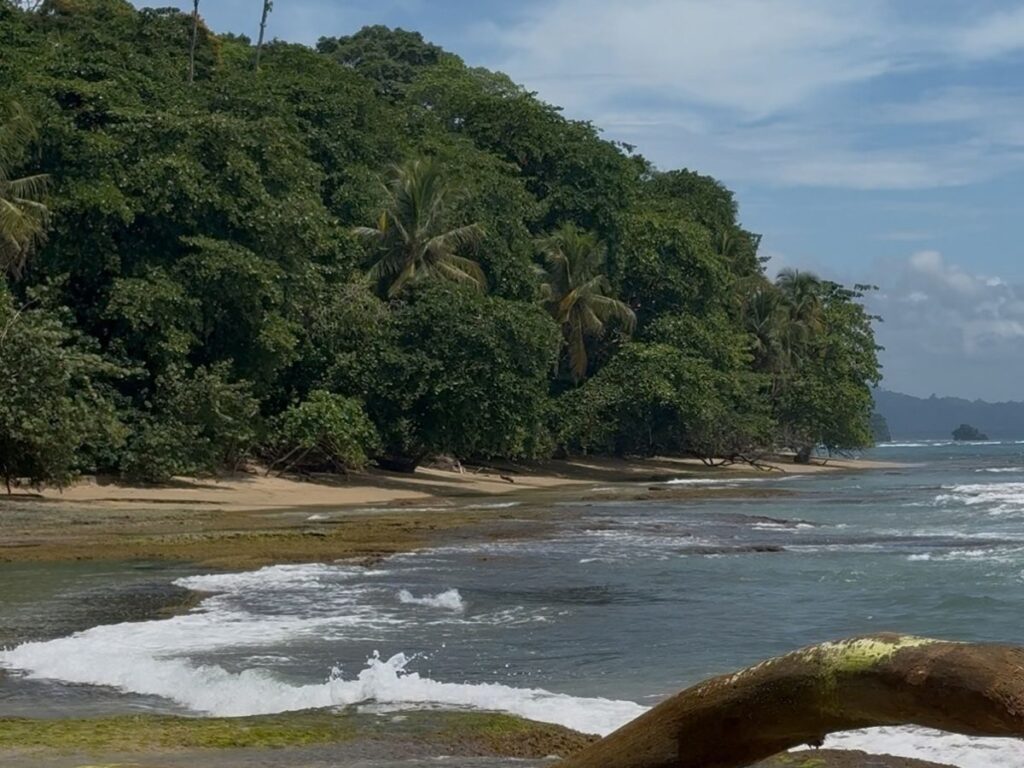
The biggest pull for us visiting Puerto Viejo was the beaches. As tropical beach lovers who spend part of the year on a remote Hawaiian island, we have pretty high standards for beaches, their waves, and the amount of people you share it with. Puerto Viejo’s beaches definitely delivered.
When we first started exploring the map of beaches in Puerto Viejo, we realized pretty quickly that there isn’t just one. There’s a whole string of them along the coastline, and each one it a little different from the other Some more for surfing, one is a black sand beach, others are for sunday cookouts, theres beaches for snorkeling, or just enjoying the people watching.
This post uses affiliate links, such as Amazon. When you shop through them, we may earn a small commission (no additional cost to you). This helps to keep all of our travel resources free for everyone <3
How We Got Around the Beaches
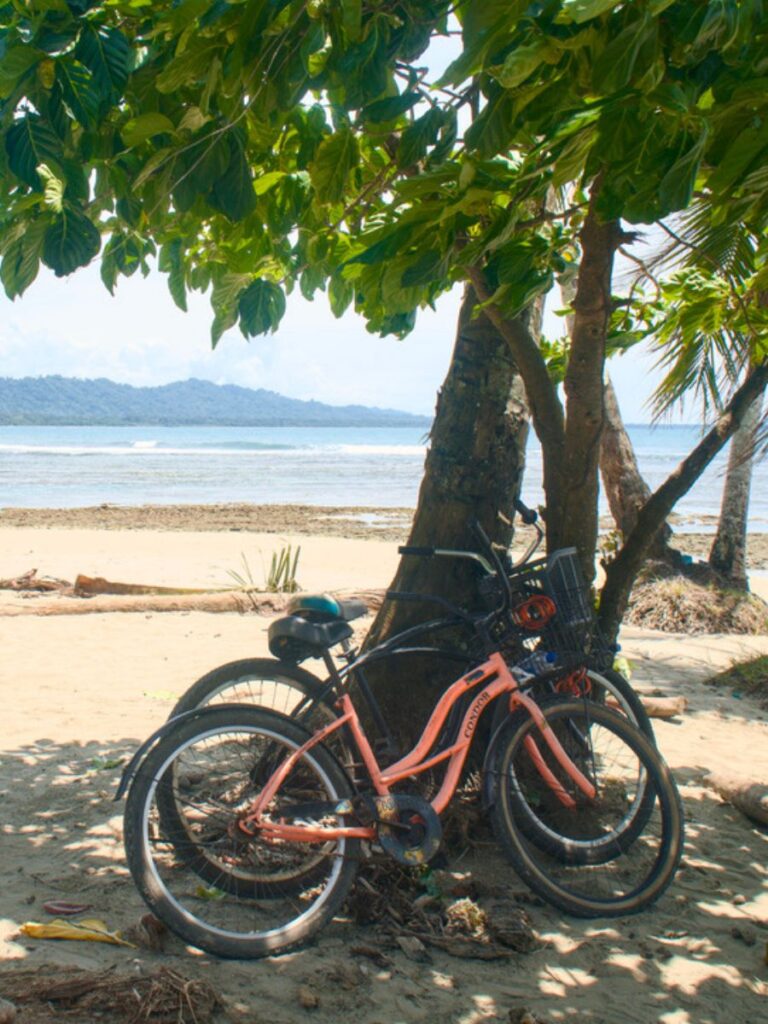
Almost every beach on this list sits along one road that runs south from Puerto Viejo main town to Manzanillo, and for us, a bike was the easiest way to hop between them. We rented bikes at Tico Surf and Skate in Cocles and only had to be $68 USD per bike for three whole weeks. Several beaches, especially around Playa Chiquita, don’t have car access so we’d lock our bikes along the road and walk in on a short path.
For a full guide that breaks down everything from renting a bike to where to go, read our Ultimate Guide of the Best Things to Do in Puerto Viejo, Costa Rica.
Planning for Puerto Viejo in a Hurry? Make Booking Easy.
View every beach on this list through this map
Our Favorite Beaches in Puerto Viejo, from North to South
Beaches in Puerto Viejo
Playa Negra
Playa Negra is just north from the main part of Puerto Viejo. It has dark volcanic sand that looks nothing like the other beaches around here.
The biggest draw for people to this beach is the fact that it is a black sand beach. This is a great beach to just hangout, dip in the water, and take a long walk down the beach and back.
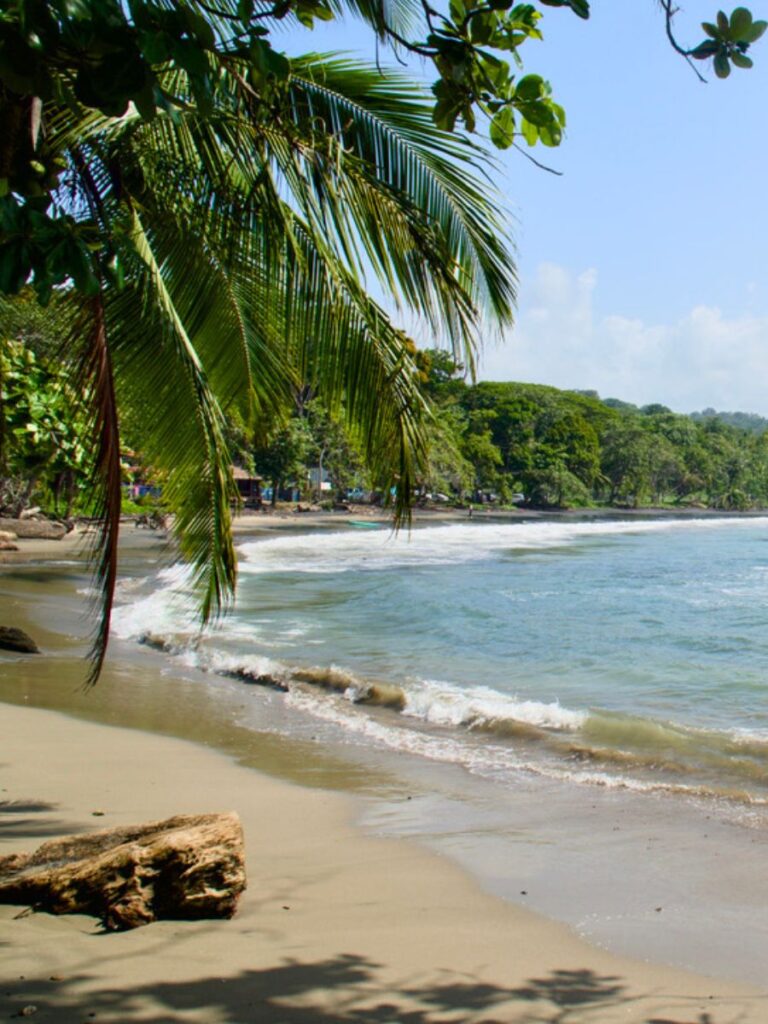
Chino Beach
Chino Beach sits right in the middle of town, and the reef turns it into a shallow, calm water. It’s the easiest swimming spot in Puerto Viejo, especially for kids, and a has beach bars and cafes right on the beach.
We highly recommend you come in the late afternoon and watch the sunset. This was one of the best beaches for a midday snack and swim. Just expect to have people nearby because it isn’t necessarily a large beach.
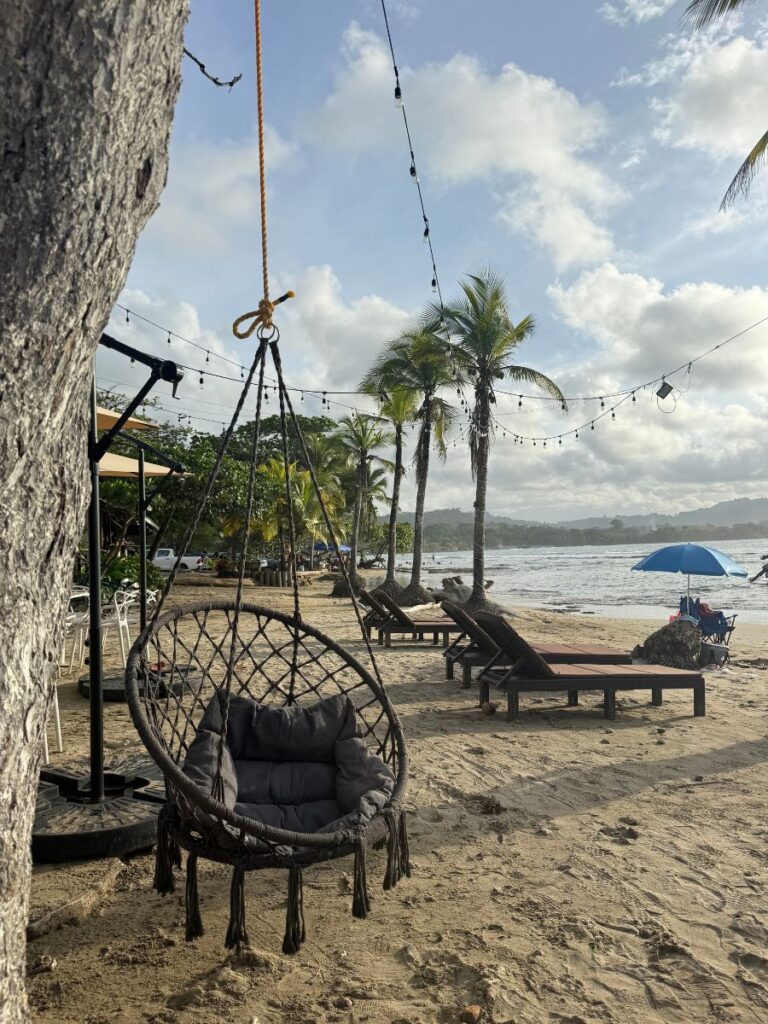
Playa Puerto Viejo
It’s less of a destination beach and more of a part of daily life here. If you’re staying in town, it’s the one you’ll see every day without even having to plan to. There were many days we were in town and would just walk up to the water and get in to cool off or sit around on the edge of the beach before continuing on with our day.
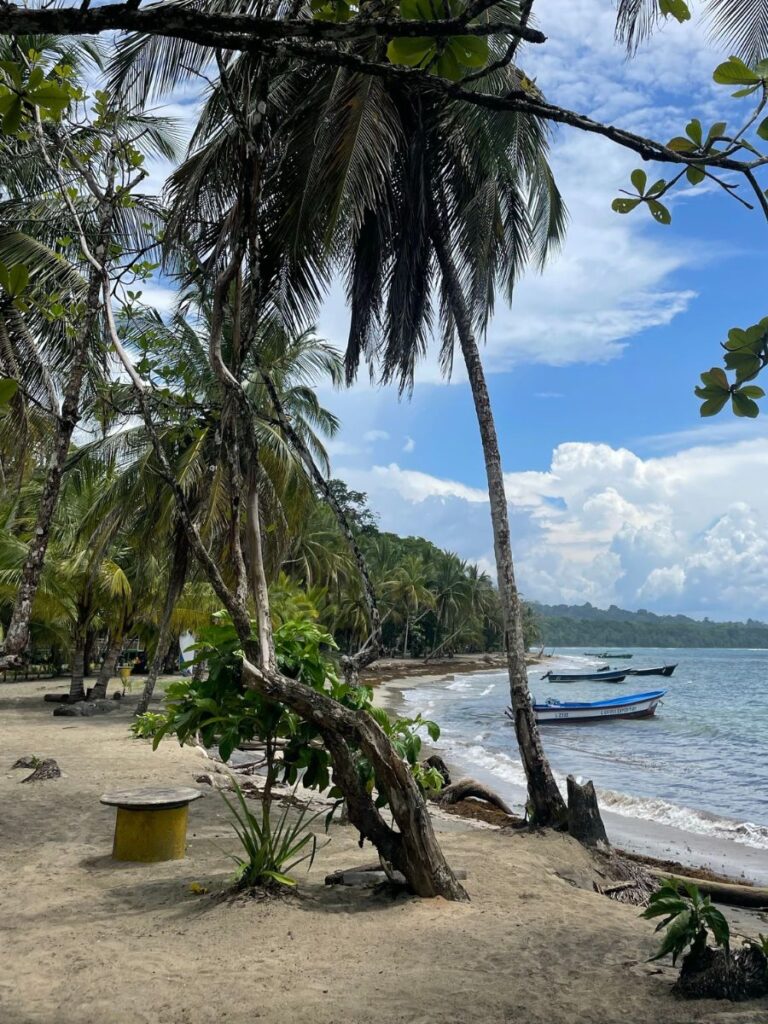
Beaches in Cocles
Beach Break (Playa Cocles North)
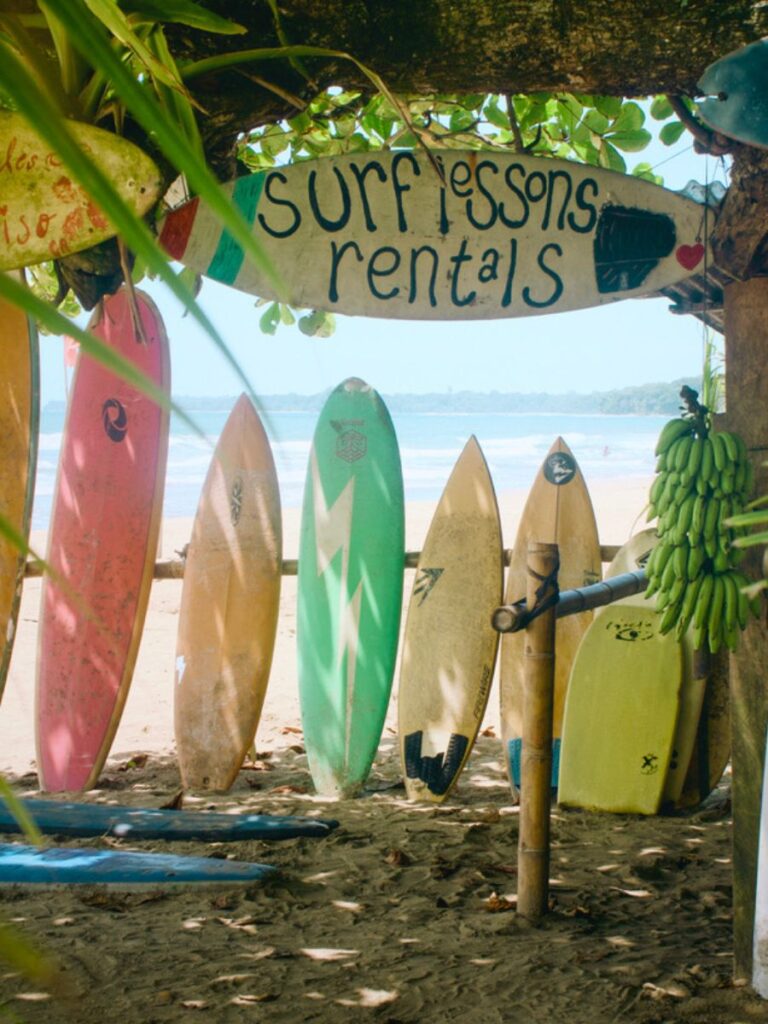
The north end of Cocles is where the energy is. You’ll find surf lesson shacks, beach volleyball, vendors, and lifeguard towers, (not always accompanied by lifeguards). If you want to learn to surf in Puerto Viejo, start here. While staying here, we learned from our host that they refer to this lively part of Playa Cocles as Beach Break.
This is one of the beaches we spent the most time at and would have to say it’s one of our favorites because of how lively it is. There is so much beach space to spread out, so many restaurants right there on the beach. Constant people watching and the best place to watch surfers in the evening. This is the spot where the surfers come after their day by the dozens during a good surf day.
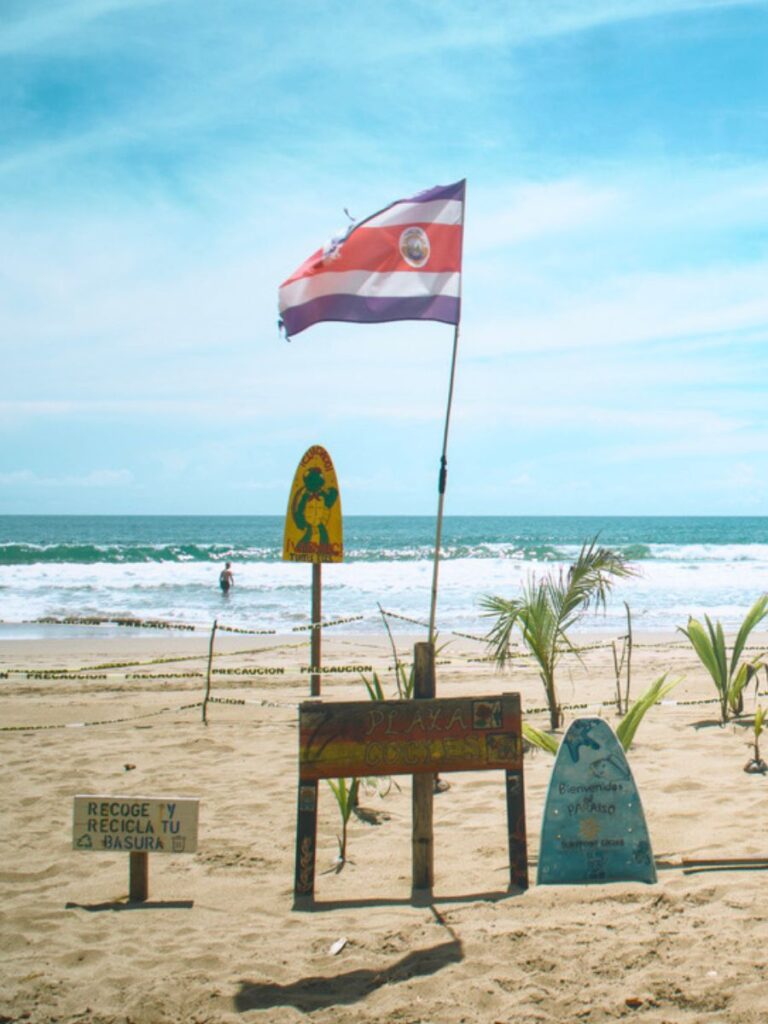
Playa Cocles
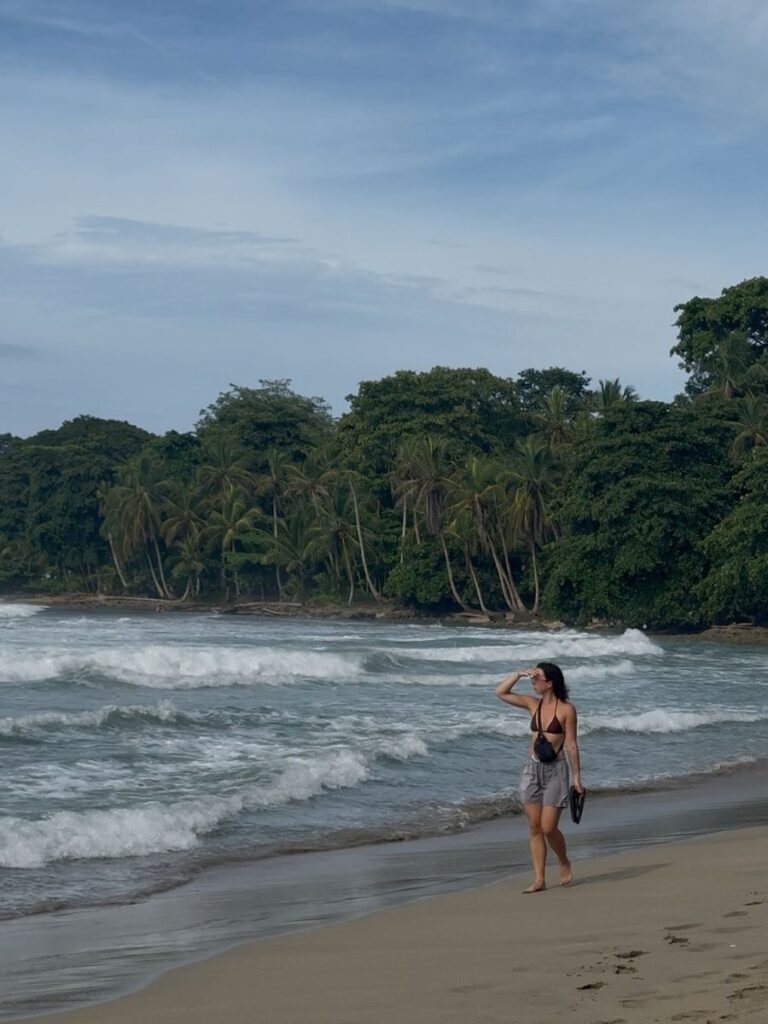
As you continue south along the beaches you will have more of a quiet section of Playa Cocles. This was the closest beach to our house so we tended to come here on days we just wanted a simple beach day which consisted of riding our bikes to the grocery, grabbing plantain chips, and imperial beer, and sitting on the beach for the next few hours. This was 100% the hardest water to swim in. You have to be a very experienced ocean swimmer to be able to swim here. But we still always got in and swam in the waves.
Beaches from Playa Chiquita Down to Punta Uva
Playa Chiquita
You reach Playa Chiquita by short footpaths through the jungle from the main road. At low tide this beach has a ton of little tide pools in the rock formations along the beach. The currents can be strong, and there are no lifeguards, so read the water before you go in. We parked our bikes on the road and locked the to the bus stop. The jungle meets the beach and is the most lush and wild over here. You can find yourself having a big stretch of the beach to yourself. Note: we were a few feet away from our bags on the beach and did have our camera stolen from someone that came out of the jungle.
Playa Punta Uva
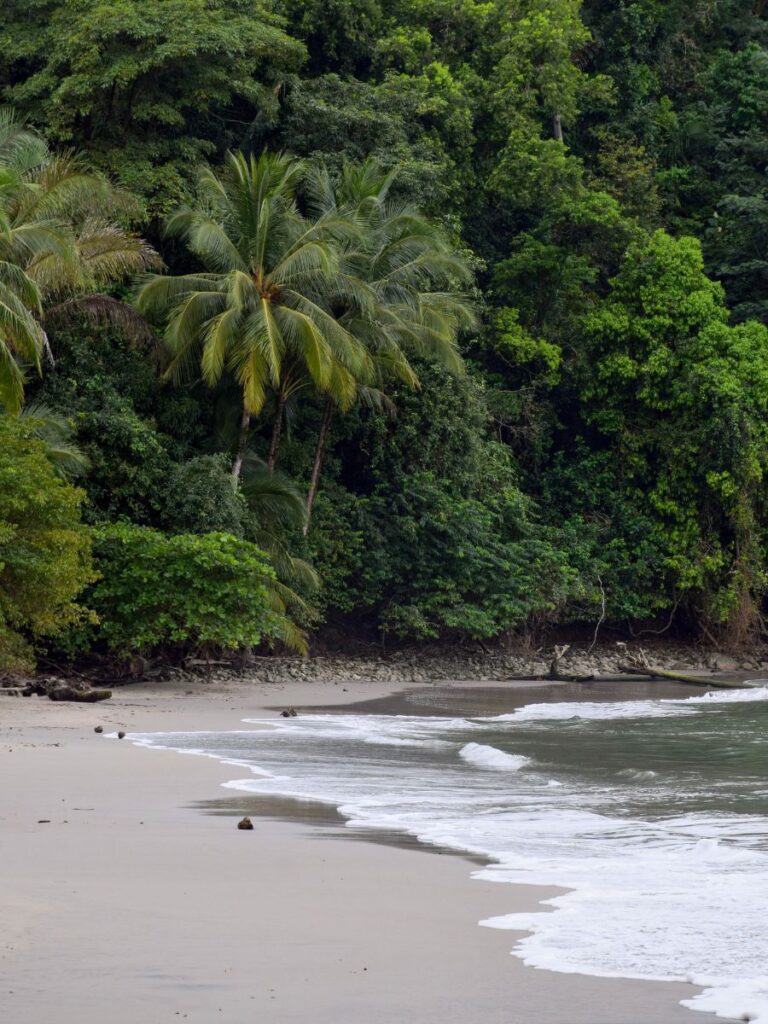
Punta Uva is the rocky point that splits the bay into two beaches, and the names trip people up constantly. Playa Punta Uva is the one north of the point. The water is deeper and darker, and it’s rougher because the point gives it less protection. It’s a beautiful stretch to walk, but it isn’t the beach most people picture when they hear Punta Uva.
This was one of the most fun beaches to swim in because of how clear it was, while also being calm with waves. We came out here on a Sunday and the locals lined the beaches with their grills, music, and canopies. We honestly loved being out there with all of the people but it also is more quiet.
Playa Arrecife
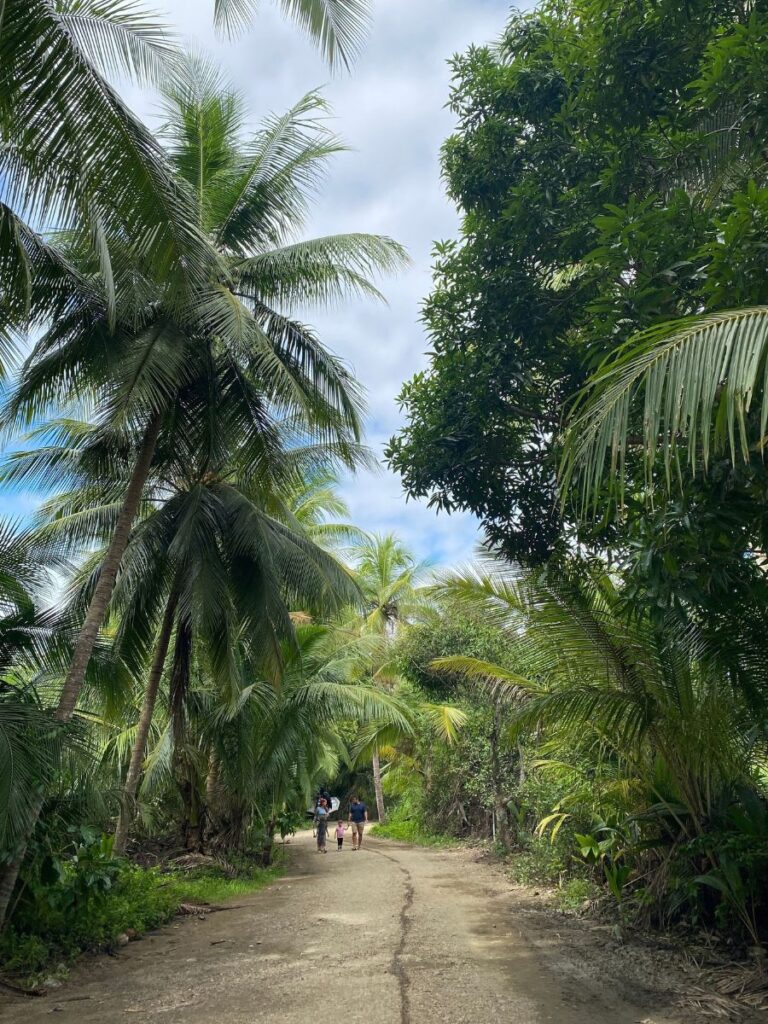
South of the point is Playa Punta Uva Arrecife, and this is the one worth planning your day around. Palm trees lean over powdery white sand, the water is clear and usually calmer than anywhere else nearby, and the reef offshore is what gives the beach its name. The whole area sits inside the Gandoca-Manzanillo Wildlife Refuge, so the jungle behind the beach is protected and you’ll often see howler monkeys and sloths along the access road. On weekends, local families come out to grill and spend the whole day under the trees.
Beaches in Manzanillo
Playa Manzanillo
The coast road ends at Manzanillo, a small village at the edge of the Gandoca-Manzanillo Wildlife Refuge. The water here is often calmer than at the beaches to the north, and it’s a great place to spend a whole day with a swim, a refuge trail, and lunch in the village.
Day Trip Beach: Playa Blanca in Cahuita National Park
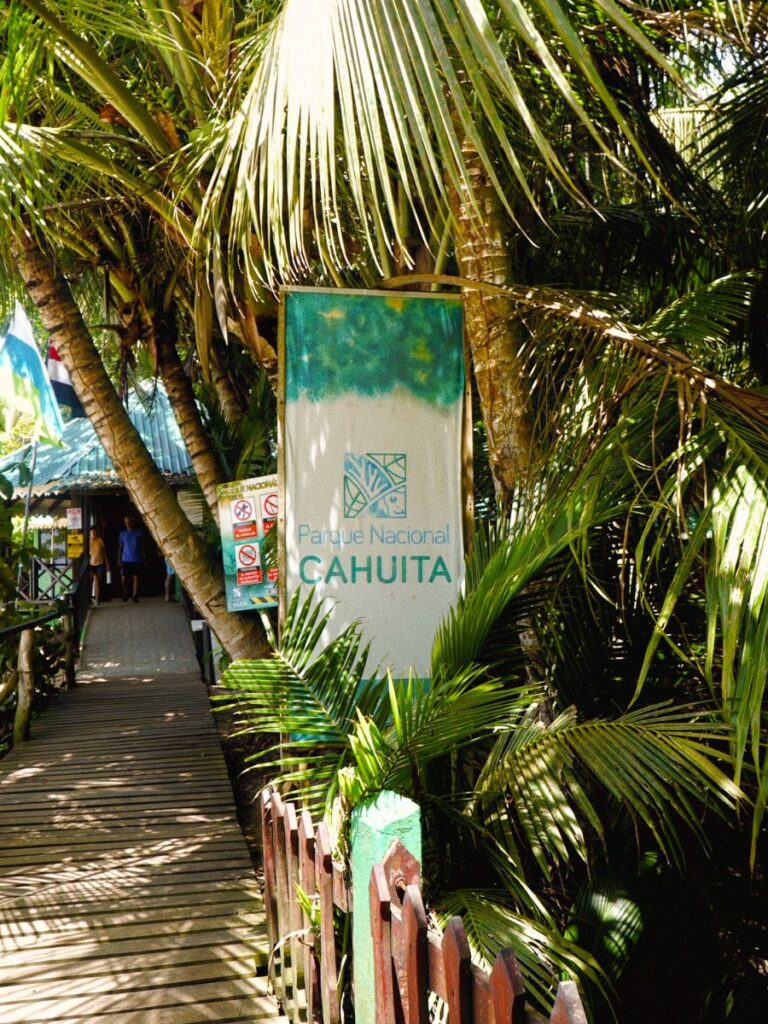
Playa Blanca
Cahuita is about 20 minutes north of Puerto Viejo, and Playa Blanca is the long white sand beach just inside the park’s Kelly Creek entrance in town. A flat trail runs behind the beach through the jungle, and it’s one of the easiest places on the coast to see sloths, monkeys, and other wildlife. Entry at Kelly Creek has historically been by donation, but check the current rules before you go. Snorkeling on Cahuita’s reef requires a certified guide.
For a deeper dive, check out this Cahuita National Park guide.
Where We’d Snorkel in Puerto Viejo
- Cahuita National Park: the best reef in the area, with a guided tour required
- Punta Uva Arrecife: our pick for easy snorkeling right off the beach, with no guide or fee (we’d rent gear in town first)
- Manzanillo: healthy coral and fewer people, with a guide recommended
Where We’d Surf in Puerto Viejo
- Playa Cocles: where we’d send beginners, with lessons and rentals right on the beach
- Salsa Brava: advanced surfers only
What We Packed for a Puerto Viejo Beach Day
- Reef-safe sunscreen: This Sun Bum one is reef safe and comes with two 3oz bottles, so you can pack it in a carry on. LINK HERE
- Dry bag: Taking a dry bag is nearly essential and this one floats. If you want to get in the water without worrying about leaving your things on the beach, you can just put it in there and let it float in the water with you. LINK HERE
- Water shoes: Some people will want a different product but just having our Archies was enough for us and were the only shoes we wore to the beach. LINK HERE
- Bug spray: You do need bug spray at the beach sometimes. We bought bug spray while we were down there and honestly we went through two bottles over our whole trip.
Where We’d Stay Near the Beaches
Where you stay shapes your beach days. We’d pick right in town if you want walkability and nightlife, Cocles if you want to be close to a lively beach with still a tons of food options, and Playa Chiquita or Punta Uva if you want quiet and jungle. We break it all down in our guide Where to Stay in Puerto Viejo, Costa Rica: Best Areas & Hotels.
Top Picks For Where To Stay In Puerto Viejo:
FAQ
What is the best time of year to visit Puerto Viejo?
Unlike the rest of Costa Rica, Puerto Viejo has a unique Caribbean microclimate. Opposite of the Pacific side, September and October are usually the driest, sunniest months in Puerto Viejo. February through April also offers fantastic weather with plenty of sunshine and lower rainfall.
How many days should I spend in Puerto Viejo?
We recommend staying at least 3 to 4 days to cover the highlights. It take 5 hours from San José so staying a few days is necessary. If you want to take surf lessons or simply enjoy the slow-paced Caribbean lifestyle, stay 5 to 7 days. If you want to immerse yourself in daily life and culture, stay 2-3 weeks.
Is Puerto Viejo safe for travelers and solo adventurers?
Yes, Puerto Viejo is generally safe for tourists, including solo female travelers. However, like many beach towns, petty theft can occur. Always lock up your belongings, avoid leaving valuables unattended on the beach while swimming, and refrain from walking alone on unlit beaches or quiet dirt roads late at night.
Is it safe to swim at Puerto Viejo’s beaches?
Many beaches have strong rip currents, especially Cocles and especially from December to April. We always check the flags, and we never assume a lifeguard is on duty.
What’s the best beach in Puerto Viejo?
For swimming & calm water: Head to Playa Punta Uva or Playa Chiquita, which feature sheltered coves and calm turquoise waters.
For surfing: Playa Cocles is the primary surfing hub, but be mindful of strong rip currents if you’re just looking to swim.
For black sand: Playa Negra offers unique black sands with gentle swells.
How do I get to Puerto Viejo from San José?
By Bus: Direct public buses (MEPE) run daily from San José’s Terminal Atlántico Norte and take about 4.5 to 5.5 hours.
By Shared/Private Shuttle: Services like Interbus or Caribe Shuttle offer door-to-door transportation for a stress-free ride. Book on Rome2Rio
By Car: Drive east on Route 32 through Braulio Carrillo National Park, then take Route 36 south along the Caribbean coast.
Is Puerto Viejo good for families with kids?
Absolutely! We saw quite a few families on vacation during our stay. Calm beaches like Chino Beach, Chiquita, and Punta Uva are ideal for families with young swimmers, and kayak/chocolate tours offer fun educational experiences for all ages.
Checkout Our Other Puerto Viejo Guides
✈️ Ultimate Guide of the Best Things to Do in Puerto Viejo, Costa Rica
👙 Is Puerto Viejo, Costa Rica Worth Visiting? Our Honest Take 2026
🚎 Taking the San Jose to Puerto Viejo Bus: Everything You Need to Know
🐒 Cahuita National Park From Puerto Viejo: Our Favorite Day Trip
📱Choosing the Best eSIM for Costa Rica (Our Honest Experience)
🏝️ Where to Stay in Puerto Viejo, Costa Rica: Best Areas & Hotels
🎒 The Ultimate Costa Rica Packing Guide: Essential Gear & What to Pack
🍤 25 Best Restaurants in Puerto Viejo, Costa Rica: Our 2026 Top Picks